
How Global Flower Delivery Works: From Order to Doorstep
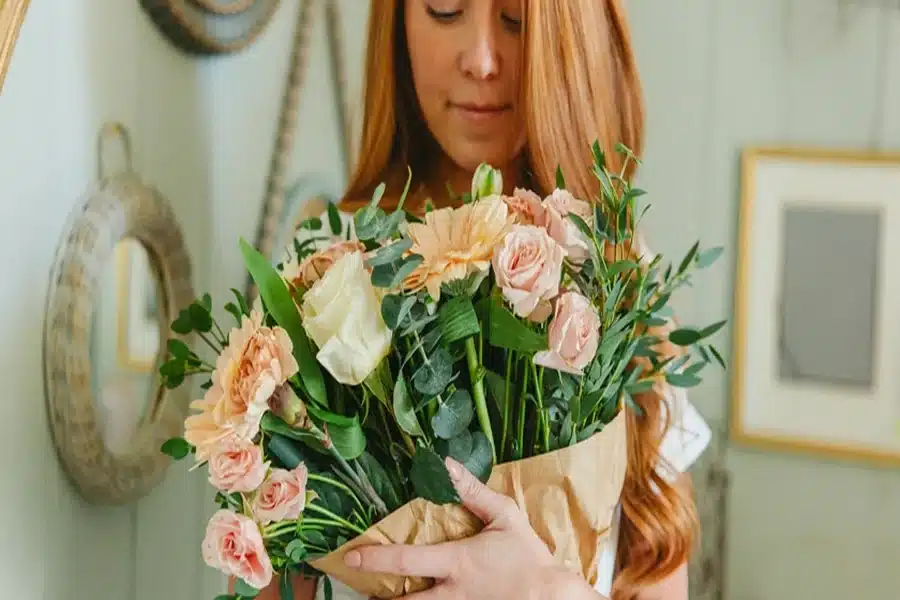
Sending flowers across borders has become one of the easiest ways to stay close to people who live far away. A bouquet can celebrate a birthday, mark an anniversary, express sympathy, or simply remind someone that they are loved. For many customers, though, the process behind international gifting still feels a little mysterious. If you have ever wondered how Russia flower delivery and other global flower delivery services actually work, the answer is simpler than it may seem. Behind every successful order is a system designed to make long-distance gifting feel personal, reliable, and surprisingly smooth.
Why Global Flower Delivery Is Different From Traditional Shipping
When people first think about sending flowers internationally, they often imagine a bouquet being packed into a box, loaded onto a plane, and transported across several countries before reaching the recipient. In most cases, that is not how modern flower delivery works.
Instead of physically shipping the arranged bouquet from one country to another, many international flower delivery services operate through networks of local florists and delivery partners in the destination country. This approach allows the order to be placed online from anywhere in the world while the flowers are prepared much closer to the final address. That means fresher blooms, faster service, and fewer problems during transport.
This model is what makes global flower delivery both practical and scalable. Rather than moving delicate flowers across long distances, the system moves the order details and fulfills them locally.
Step 1: The Customer Places an Order Online
Everything begins with the customer. A person visits a flower delivery website, chooses the destination country, selects a bouquet or gift arrangement, and provides the delivery details. At this stage, the experience is designed to feel simple, even though several layers of coordination may happen in the background.
Selecting the Delivery Location
Most international flower delivery platforms first ask the customer where the gift is going. This helps the website display products and delivery options available in that country or city. In some locations, the selection may also affect pricing, seasonal availability, and same-day delivery options.
Choosing the Product
Customers can usually choose from classic bouquets, roses, mixed arrangements, plants, cakes, chocolates, gift baskets, and other add-ons. The product shown on the website is often intended to represent the overall style and value of the arrangement rather than a guaranteed exact copy. Seasonal changes and local availability may influence the final look, which is standard practice across the industry.
Entering Personal Details
The order form typically includes the recipient’s full name, address, phone number, delivery date, and a personal message. This information is essential. Even the most reliable florist cannot complete a smooth delivery if the address is incomplete or the contact number is missing.
For general guidance on secure online ordering, many shoppers also consult trusted consumer protection resources such as the Federal Trade Commission.
Step 2: The Platform Processes the Order
Once the order is placed, the website processes payment and confirms the request. This is where the customer’s simple checkout experience becomes a coordinated service operation.
The flower delivery platform reviews the destination, product type, delivery date, and order instructions. Then it routes the order to an appropriate local florist or fulfillment partner in the recipient’s region. In some cases, large companies work with established florist networks. In others, they may rely on long-term local partnerships they have built directly.
The purpose of this step is efficiency. The system must match the order with a florist that can meet the quality standard, handle the requested date, and reach the recipient’s location without unnecessary delay.
Step 3: A Local Florist Prepares the Arrangement
This is one of the most important parts of the process. The local florist receives the order details and begins creating the arrangement. Because the bouquet is made locally rather than being shipped internationally in finished form, the flowers are usually fresher and better suited to the destination market.
Sourcing the Flowers
Depending on the country, florist partners may use fresh flowers from local growers, regional flower markets, or their regular supply chains. Seasonal blooms are often preferred because they are easier to source and usually arrive in better condition.
Following the Product Style
The florist works from the product description, arrangement guidelines, and value tier selected by the customer. While exact flower varieties or decorative details may vary, the final bouquet is expected to reflect the same overall impression, color palette, and occasion as the online listing.
Adding Extras
If the customer ordered chocolates, a cake, a vase, or another gift, these are prepared or packaged alongside the flowers. This is also why international gifting services often extend beyond bouquets and operate more like curated gifting platforms.
The broader logistics principles behind these systems are similar to those seen across international delivery networks, many of which are shaped by standards discussed by organizations such as the Universal Postal Union.
Step 4: The Delivery Is Scheduled and Dispatched
After the arrangement is ready, the order moves to the final delivery stage. The local florist or courier prepares to deliver the gift to the recipient’s address on the scheduled day.
Same-Day and Scheduled Deliveries
Some orders qualify for same-day delivery if they are placed early enough and if the destination falls within a serviceable zone. Others are scheduled for a future date, which gives florists more time to prepare the arrangement and manage volume.
Delivery Coordination
If the recipient is difficult to reach, lives in a secured building, or is unavailable at the first attempt, the courier may call using the provided phone number. This is why accurate contact details matter so much in international orders. A missing apartment number or incorrect phone number can create delays even when the flowers are already nearby.
Final Handover
Once the bouquet is delivered, the order is usually marked as complete. Some services send email confirmations, delivery notifications, or even photo proof depending on the country and local partner system.
Why This System Works So Well
Global flower delivery works because it combines digital convenience with local execution. The customer benefits from online access and international reach, while the recipient benefits from local preparation and delivery.
This system reduces many of the common problems associated with shipping perishable goods across borders. Flowers do not spend days in transit, and there is no need for the sender to handle customs forms, export packaging, or fragile shipping logistics in the way they might with a parcel. The service handles those challenges behind the scenes by keeping fulfillment close to the destination.
It also helps delivery companies adapt to local preferences. Florists understand what styles, wrapping methods, and flower varieties work well in their own markets, which can make the gift feel more natural and appropriate when it arrives.
What Can Affect the Final Delivery Experience
Even with a strong system in place, a few factors can influence the outcome.
Seasonal Availability
Not every flower is available year-round in every country. Florists may substitute certain stems while maintaining the overall design and value of the bouquet.
Holiday Demand
Peak holidays such as Valentine’s Day, Mother’s Day, or International Women’s Day can increase order volume dramatically. During these periods, early ordering is especially important.
Address Accuracy
An incomplete or incorrect address remains one of the most common reasons for delivery issues. This is something the sender can control, and it makes a major difference.
Local Conditions
Weather, traffic, regional business hours, and cultural delivery practices may all influence timing. International gifting is reliable, but it is still shaped by real-world local conditions.
Final Thoughts
Global flower delivery may seem complex from the outside, but its success comes from a very practical idea: let the sender order from anywhere, and let the gift be prepared close to the person receiving it. That simple structure is what turns a cross-border gesture into a realistic, dependable service.
From online selection to local florist preparation and doorstep delivery, every step is designed to make long-distance gifting feel easy and personal. For customers, the process offers emotional connection without the stress of managing international shipping themselves. For recipients, it creates a moment that feels thoughtful, fresh, and immediate.
In the end, global flower delivery works because it is built around both logistics and emotion. It brings together technology, local expertise, and human intention to help people show up for each other, no matter how far apart they live.