
Smart Moves to Keep Haulers Safe and Protected
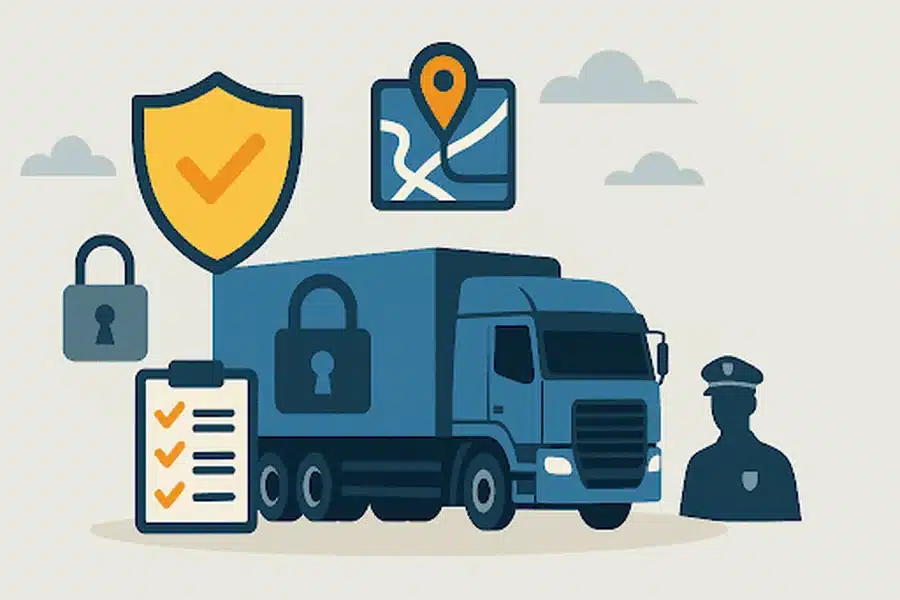
What are some smart moves that keep haulers protected? Smart moves for hauler protection include implementing layered security measures, using advanced tracking technology, and following best practices for cargo theft prevention.
These strategies help safeguard valuable shipments and minimize the risk of theft. Protecting your cargo can be challenging, but this article will provide you with effective solutions to keep your hauling business secure.
We’ll cover essential topics to enhance your cargo protection:
Best practices for preventing cargo theft
Implementing layered security measures
Understanding the evolving threat landscape
Let’s explore these smart moves to keep your hauling operations safe and secure.
Best Practices For Preventing Cargo Theft
Secure Parking And Loading Procedures
Protecting your cargo starts with smart parking and loading practices. Choose well-lit, monitored areas for parking your vehicles. Look for locations with security cameras and regular patrols. When possible, park in secure lots designed for commercial vehicles and make sure to use a durable hitch lock.
During loading and unloading, maintain constant vigilance. Keep cargo areas locked when not actively in use. Assign trusted personnel to oversee these processes. Consider using tamper-evident seals on trailer doors to deter theft attempts. Implement a two-person rule for high-value shipments.
This reduces the risk of internal theft and provides an extra set of eyes during vulnerable moments. Train your team to be alert for suspicious activity around parked vehicles or loading zones.
Planning And Route Selection
Careful planning can significantly reduce cargo theft risks. Map out your routes in advance, avoiding known high-crime areas. Stay informed about current theft hotspots and adjust your plans accordingly. Vary your routes and schedules when possible.
Predictable patterns make it easier for thieves to plan attacks. Consider using GPS tracking for your vehicles, allowing real-time monitoring and quick response to any deviations. Plan your trips to minimize overnight stops, especially in unfamiliar or high-risk areas.
If overnight parking is necessary, choose secure, well-lit truck stops or monitored parking facilities.
Risk Assessment Protocols
Regular risk assessments help identify vulnerabilities in your cargo operations. Start by evaluating your current security measures. Look for weak points in physical security, personnel procedures, and information management. Next, analyze your shipping patterns. Identify high-risk routes, times, or types of cargo.
Use this information to allocate resources more effectively. Develop a scoring system for different risk factors. This might include the value of cargo, route characteristics, and historical theft data for specific areas. Use these scores to determine appropriate security measures for each shipment.
Regularly review and update your risk assessment protocols. The theft landscape changes constantly, so your strategies should evolve too.
Record-Keeping And Documentation
Proper documentation plays a crucial role in preventing cargo theft. Maintain detailed records of all shipments, including contents, routes, and personnel involved. This information can help identify patterns and investigate any incidents that occur. Use electronic tracking systems to monitor cargo movement in real-time.
Keep digital copies of all shipping documents, making them easily accessible if needed for investigations. Document any security incidents, no matter how minor. This creates a valuable database for identifying trends and improving your prevention strategies.
Regularly audit your record-keeping processes to ensure accuracy and completeness. Good documentation not only helps prevent theft but also aids in recovery efforts if a theft does occur.
Working With Authorities
Building strong relationships with law enforcement can greatly enhance your cargo security efforts. Reach out to local police departments along your regular routes. Many have specialized units dealing with cargo theft. Participate in industry associations that work closely with law enforcement.
These groups often share valuable intelligence about theft trends and prevention strategies. Report all theft incidents promptly and thoroughly. The more information you provide, the better chance authorities have of recovering your cargo and catching the perpetrators.
Consider joining regional cargo theft task forces if available in your area. These collaborative efforts between businesses and law enforcement can lead to more effective prevention and response strategies. By implementing these best practices, you’ll significantly reduce your risk of cargo theft.
Remember, security is an ongoing process. Stay vigilant, keep learning, and adapt your strategies as needed to stay ahead of potential thieves.
Layered Security Measures
Physical Locks and Air Cuff Locks
Securing cargo effectively requires a combination of physical deterrents. High-security locks and air cuff locks play a crucial role in preventing unauthorized access to your valuable goods.
These devices act as visible barriers, discouraging potential thieves and making it significantly more challenging for them to gain entry. Physical locks come in various forms, from traditional padlocks to more advanced electronic systems. They provide a basic yet essential layer of protection for cargo containers, trailers, and storage units.
Air cuff locks, on the other hand, offer an additional level of security by creating an airtight seal around container doors. This makes it extremely difficult for intruders to pry them open without detection. While these locks are highly effective, they do have some limitations.
Determined thieves with specialized tools may still find ways to bypass them given enough time and opportunity. That’s why it’s important to use them as part of a broader security strategy
Technology Solutions and Real-Time Tracking
Modern technology has revolutionized cargo security, offering real-time tracking and monitoring capabilities. These advanced systems allow you to keep a constant eye on your shipments, providing invaluable data and peace of mind.
GPS tracking devices, for example, enable you to monitor the exact location of your cargo at any given moment. This information can be accessed through user-friendly software platforms, allowing you to track multiple shipments simultaneously and receive instant alerts if any unusual activity is detected.
Real-time tracking not only helps prevent theft but also improves overall logistics efficiency. You can optimize routes, predict arrival times more accurately, and quickly respond to any delays or issues that may arise during transit.
Many companies have successfully implemented these technologies, resulting in significant reductions in cargo theft incidents and improved operational efficiency.
Cybersecurity Essentials
In today’s digital landscape, protecting your cargo extends beyond physical security measures. Cybersecurity is a critical component of a comprehensive cargo protection strategy. Cyber-attacks, particularly phishing attempts, can compromise sensitive data and facilitate cargo theft.
To safeguard your operations, implement robust cybersecurity protocols. Start by using strong, unique passwords for all systems and regularly updating them. Enable two-factor authentication wherever possible to add an extra layer of protection. Educate your staff about the dangers of phishing emails and how to identify them.
Encourage a culture of caution when dealing with unexpected or suspicious communications. Regularly update and patch all software and systems to address any known vulnerabilities. Invest in reputable antivirus and firewall solutions to protect your network from malicious attacks.
Consider working with cybersecurity experts to conduct regular audits and penetration testing of your systems.
Employee Training and Awareness
Your employees are your first line of defense against cargo theft. Proper training and fostering a culture of security awareness can significantly reduce the risk of incidents. Develop comprehensive training programs that cover various aspects of cargo security.
This should include recognizing suspicious behavior, properly securing vehicles and cargo areas, and following established security protocols. Regularly update your training materials to address new threats and tactics used by cargo thieves.
Encourage open communication among your team members about security concerns and create a system for reporting suspicious activities. Consider implementing regular drills or simulations to test and reinforce security procedures.
This hands-on approach can help employees better retain and apply their training in real-world situations.
Vetting Carriers and Brokers
Choosing trustworthy partners is crucial in preventing strategic cargo theft. Thorough vetting of carriers and brokers helps ensure the reliability and integrity of your supply chain. Start by verifying the credentials of potential partners. Check their licensing, insurance coverage, and safety records.
Look for any history of security incidents or regulatory violations that might raise red flags. Conduct detailed background checks on key personnel within these organizations. This can help identify any potential connections to criminal activities or past involvement in cargo theft incidents.
Request and verify references from other reputable companies in the industry. Personal recommendations can provide valuable insights into a carrier or broker’s reliability and professionalism.
Consider implementing a probationary period for new partners, during which you closely monitor their performance and adherence to security protocols. This allows you to assess their reliability before entrusting them with high-value or sensitive cargo.
By following these vetting procedures, you can significantly reduce the risk of falling victim to strategic cargo theft and build a network of trusted partners for your logistics operations.
Understanding The Evolving Threat Landscape
Straight Cargo Theft
Straight cargo theft involves the physical stealing of goods from locations such as truck stops, parking lots, or warehouses. This type of theft often occurs when drivers leave their vehicles unattended, providing criminals with opportunities to quickly seize valuable cargo.
Thieves typically target trucks during rest stops or overnight parking, taking advantage of vulnerable moments in the transportation process. They may use force to break into trailers or employ more sophisticated methods to bypass security measures.
Recent statistics show that straight cargo theft remains a significant concern for the industry.
Strategic Cargo Theft
Strategic cargo theft represents a more complex and planned approach to stealing goods. Unlike straight theft, which relies on physical force, strategic theft involves deceptive tactics and often insider knowledge.
Criminals engaging in strategic theft may use identity theft to pose as legitimate carriers or create fraudulent companies to gain access to valuable shipments. They might also manipulate documentation or exploit gaps in security protocols to orchestrate large-scale thefts.
Technological Tactics: GPS Jammers And Cyber Attacks
Thieves are increasingly turning to technology to facilitate cargo theft. GPS jammers have become a popular tool, allowing criminals to block tracking devices and conceal the location of stolen goods. These devices can be easily obtained and deployed, making them a significant threat to cargo security.
Cyber attacks also play a growing role in cargo theft. Criminals use phishing techniques and other forms of digital intrusion to access sensitive data about shipments, routes, and security measures.
By compromising company networks or intercepting communications, thieves can gather valuable information to plan and execute thefts more effectively. The use of these technological tactics presents new challenges for haulers and security professionals.
Companies must now consider both physical and digital vulnerabilities when developing their security strategies.
Commonly Targeted Goods
Certain types of goods are particularly attractive to cargo thieves due to their high value and ease of resale. Electronics, pharmaceuticals, and luxury items consistently rank among the most frequently targeted commodities.
Food and beverage products have also become increasingly popular targets. These goods are often easier to sell quickly and with less risk of traceability compared to more specialized items.
A recent industry report revealed that in the past year, thefts of consumer goods increased by 28%, while pharmaceutical thefts saw a 35% rise. This shift in focus demonstrates how thieves adapt their strategies based on market demand and potential profits.
By understanding which goods are most at risk, you can take appropriate measures to protect your cargo and minimize the chances of becoming a victim of theft.