
The Ancient Japanese Facial That Bangkok’s Wellness Scene Can’t Stop Talking About
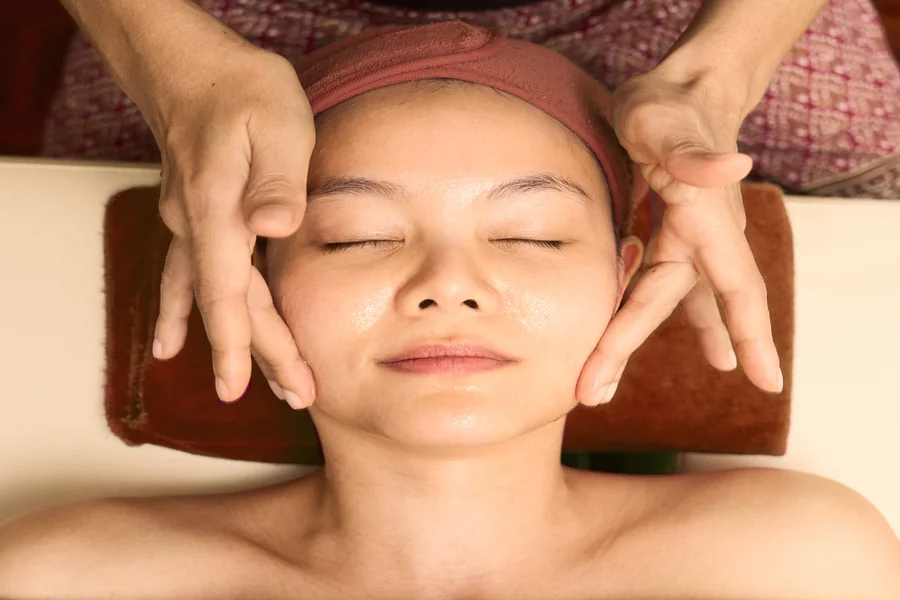
Your face feels tighter. Your skin looks brighter. And you haven’t touched a needle, a laser, or a single drop of filler. That’s the quiet promise of kobido – and once you’ve experienced it, it’s hard to go back to anything else.
What Is Kobido, Exactly?
Kobido (古美道) translates roughly as “the ancient way of beauty.” It’s a Japanese facial massage technique with roots going back to 1472, when two master practitioners unified their arts before the Japanese Empress in what is now Shizuoka Prefecture.
For centuries, it was reserved for royalty, geishas, and the aristocracy. Today, it’s available to anyone willing to lie back and let a skilled pair of hands do the work.
The technique draws from Anma – Japan’s oldest massage tradition – and weaves in acupressure, lymphatic drainage, and rhythmic myofascial movements. No machines. No injectables. Just hands, intention, and over 550 years of refined practice.
The Benefits: More Than Just a Glow
Kobido is often called a natural facelift, and the label isn’t marketing fluff. Here’s what actually happens during a session:
- Muscle toning: The rapid, rhythmic strokes act like a micro-workout for your facial muscles, stimulating collagen and improving firmness over time.
- Lymphatic drainage: Targeted movements flush out excess fluid and toxins, visibly reducing puffiness and defining the jawline.
- Circulation boost: Increased blood flow delivers oxygen to skin cells, producing that unmistakable post-session radiance.
- Deep relaxation: Acupressure points are activated throughout, dropping the nervous system into a parasympathetic state – the kind of calm that’s genuinely hard to find in a city like Bangkok.
Results after a single session are real. Regular sessions – weekly or bi-weekly – compound those effects into long-term skin health.
What to Expect During Your First Session
Walk in with a clean face and no expectations about what “facial massage” means. Kobido is nothing like the gentle, sleepy strokes of a standard spa treatment.
A typical 60–90 minute session unfolds like this:
- Cleansing and prep – the skin is gently cleaned and a light oil or serum is applied.
- The massage itself – fast, precise movements alternate with slow, melting pressure. Some sequences feel almost percussive; others are so slow you’ll lose track of time.
- Acupressure work – specific points along the face, jaw, and neck are held to release tension and support energy flow.
- The finish – you open your eyes, look in the mirror, and wonder why you waited this long.
First-timers often describe feeling their face restructured rather than just relaxed. The lifting effect is visible immediately. The glow lasts days.
Why Bangkok Is a Great Place to Try It
Bangkok’s wellness scene has matured fast. Expats and long-term visitors have pushed demand for treatments that go beyond the standard Thai massage menu – and kobido fits that appetite perfectly. It’s non-invasive, results-driven, and deeply rooted in a tradition that resonates with the city’s broader appreciation for Asian healing arts.
If you’re curious where to start, kobido massage Bangkok at Maison Ysae on Sukhumvit 31 is one of the most talked-about addresses in the city for this treatment – known for blending authentic Japanese technique with a genuinely welcoming, unhurried atmosphere.
Ready to Try It?
Whether you’re an expat looking for a sustainable alternative to cosmetic procedures, or a visitor wanting to bring something genuinely restorative home from Bangkok – kobido deserves a spot on your list.
Book a session. Give your face the workout it’s never had. You’ll feel the difference before you even leave the room.