
The Rise of Fentanyl: What You Need to Know
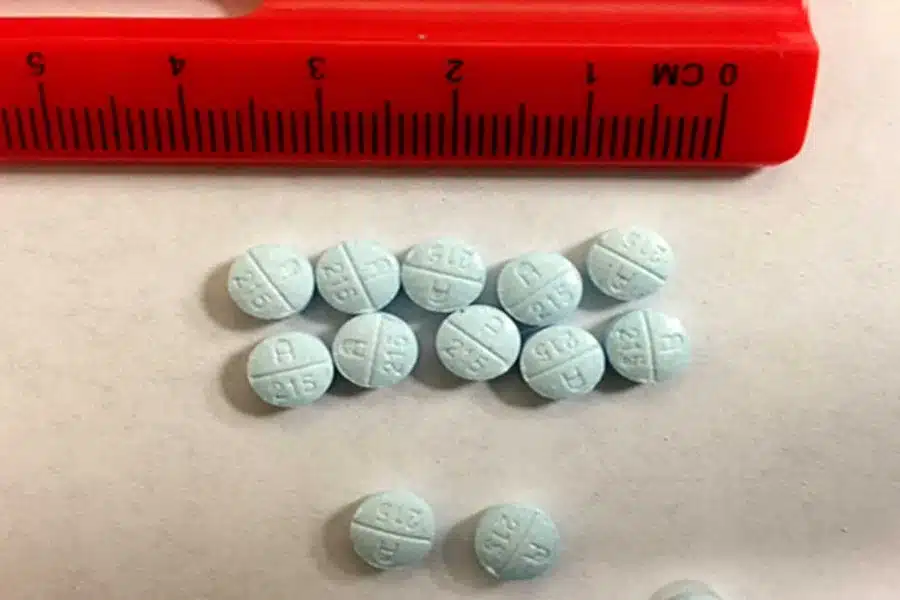
Fentanyl has rapidly emerged as a dominant and deadly drug in the ongoing opioid crisis, making headlines for its devastating impact. Initially developed for medical use in severe pain relief, this powerful synthetic opioid is now widely used in illicit drug markets.
If you’re trying to navigate fentanyl addiction treatment, understanding the dangers of fentanyl is crucial. Fentanyl is wreaking havoc across communities and causing a surge in overdose deaths.
In this guide, you’ll discover why fentanyl is so dangerous, how to recognize the risks, and what you can do to stay safe.
Why Is Fentanyl So Dangerous?
Fentanyl is a synthetic opioid developed for cancer patients to aid in pain management. It’s 50 to 100 times more potent than morphine, cocaine, and heroin, making it highly effective when prescribed under strict medical supervision.
The medical uses are tightly controlled, but the problem arises when illegally manufactured fentanyl enters the drug supply market. Fentanyl is available in various forms, including nasal sprays, transdermal patches, and injectable solutions.
One of the key reasons why fentanyl is so dangerous is its potency. A lethal dose can be as small as two milligrams, about the size of a few grains of salt. This seemingly small amount can cause an opioid overdose, especially in individuals without a high tolerance to opioids or fentanyl-like drugs.
Some drug users often have no idea they are taking fentanyl. Drug dealers usually cut fentanyl into other illegal drugs or press it into fake prescription pills to increase potency and profit. These counterfeit pills look identical to prescription pain relievers, making it nearly impossible to detect without a fentanyl test.
The Risks of Fentanyl Use
Accidental skin exposure to fentanyl, such as in the case of first responders, can produce similar effects to intentional use. Whether used knowingly or unknowingly, fentanyl poses severe health risks and often leads to life-threatening consequences, including:
1.) Fentanyl Addiction and Dependence
Fentanyl is highly addictive due to its intense euphoric effects and potency. Even infrequent use can quickly lead to physical dependence, where your body adapts to the drug’s presence and requires it to function normally.
Long-term use of fentanyl leads to opioid use disorder, characterized by compulsive drug seeking despite harmful consequences. When you try to stop or reduce fentanyl intake, severe withdrawal symptoms occur, such as:
- Anxiety, agitation, and restlessness
- Uncontrollable leg movements
- Nausea and vomiting
- Muscle and bone pain
- Severe cravings
2.) Fentanyl Overdose Deaths
The rise of illegally manufactured fentanyl has triggered a nationwide overdose crisis. According to disease control authorities like the CDC, overdose deaths involving opioid use disorder have surged dramatically in recent years.
This crisis mainly affects teens experimenting with fake pills, veterans taking prescribed opioids for pain and people battling substance use disorder. To know when someone is experiencing a fentanyl overdose, they may show the following signs:
- Pinpoint pupils
- Slowed breathing
- Blue lips or nails
- Unconsciousness
These overdose effects are rapid and fatal without immediate medical attention. Always call emergency services if you suspect an overdose.
3.) Weakened Immune System
Fentanyl and other opioids suppress the immune response, making your body susceptible to cardiovascular diseases, liver damage, and kidney failure.
Fentanyl use directly affects the brain’s respiratory centers, causing breathing to slow down significantly. Inadequate oxygen intake causes lung problems from chronic respiratory depression.
4.) Unpredictable Potency
Illegally manufactured fentanyl lacks quality control. The amount of fentanyl in counterfeit pills or mixed with other drugs can vary wildly, making it impossible for users to gauge the dose they are taking accurately.
Some fentanyl analogues are more lethal than fentanyl itself, and these toxic substances are sometimes found in the drug supply.
5.) The Threat of Counterfeit Pills
Some counterfeit pills are made to look like prescription opioids like oxycodone and morphine. If a pregnant woman is taking fake pills but believes them to be a legitimate prescription opioid, she won’t report fentanyl use to her doctors.
This lack of accurate medical history makes it difficult for first responders and healthcare providers to:
- Anticipate and prepare for NAS in the newborn
- Correctly diagnose the cause of any maternal or fetal symptoms
- Administer the proper treatment, as the exact substance(s) involved may be unknown
Babies exposed to fentanyl before birth have a higher risk of health problems and may experience withdrawal symptoms after birth.
How to Stay Safe
Besides pain relief, fentanyl produces effects such as drowsiness and dizziness, leading to impaired motor skills and increased risk of accidents. If you use fentanyl for recreational purposes, always prioritize:
Fentanyl Test Strips: Lifesaving Tools
Fentanyl test strips are small, inexpensive tools that can detect the presence of fentanyl in other drugs. These small strips play a vital role in reducing harm, and testing can reduce the risk of ingesting a lethal dose.
Naloxone: The Overdose Reversal Drug
Naloxone, commonly known as Narcan, is an opioid antagonist that can reverse the effects of opioid overdose if administered in time. It is available as an injection or nasal spray and is often carried by first responders and schools.
Massachusetts drug rehab centers tend to advocate for having naloxone nearby, since it could be the difference between life and death.
Avoid Pills From Unknown Sources
Never take pills bought off the street because many are fake pills laced with deadly doses of fentanyl. Always stick to prescribed medications from trusted pharmacies.
Overcoming the Overdose Crisis
The rise of illegal drugs and illegally manufactured fentanyl has only worsened the overdose deaths. According to the disease control and prevention agencies, the following measures can be taken to minimize the damage:
- Expanding access to naloxone
- Increasing addiction treatment programs
- Cracking down on drug dealers selling fentanyl analogues
- Educating the public on the dangers of fentanyl misuse
It is essential to seek professional fentanyl addiction treatment if you’re struggling with opioid use disorder. Many facilities offer evidence-based care using addiction medicine, behavioral therapy, and medical detox.
Stay Informed, Stay Safe
Fentanyl’s harmful effects make it one of the most dangerous substances in the drug supply. Understanding the dangers of fentanyl is the first step to staying safe.
You owe it to yourself to always carry naloxone, fentanyl test strips, and never underestimate the risk. If you or a loved one is struggling with substance use disorder, seek medical attention and explore treatment options today.