
Why Developers Are Paying Attention To Blockchain
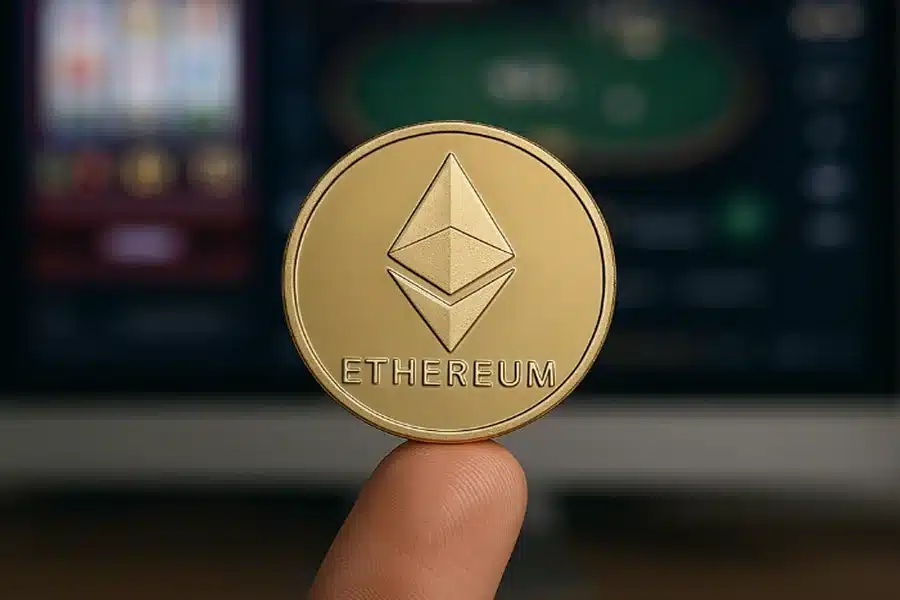
Game development has always followed specific patterns. Studios used familiar engines, predictable payment models, and closed-loop systems for years. But now, that structure is being questioned. Blockchain technology is showing up in more conversations, not just in crypto circles, but among developers building for mainstream audiences.
The shift isn’t limited to Web3 startups. Developers of all kinds – mobile games, indie projects, and even established console titles – are exploring how blockchain can solve old problems in new ways. Some are testing the waters with player-owned assets or experimenting with decentralized databases for rewards. Others are looking into smart contracts that automate parts of the game economy. What’s interesting here is that the motivation isn’t hype anymore, it’s practicality.
Transparency, security, and direct player interaction are big draws. For teams used to running everything through a central system, the idea of shared, verifiable infrastructure opens up creative possibilities. Many are watching closely, even if they’re not planning to go entirely on-chain. The curiosity is real, and it’s only growing.
From Casino Platforms to Game Systems
Many people don’t realize that some of the most successful blockchain use cases in gaming come not from AAA publishers but from online casino platforms. Ethereum-based casinos, in particular, are running systems that are live, transparent, and entirely automated. These platforms don’t need flashy roadmaps or theoretical models—they’re already working in the wild.
One standout example comes from platforms operating under Ethereum Casino Gambling.
These systems handle everything—bets, balances, payouts, and even dispute resolution—through smart contracts. There’s no waiting for a support agent or digging through unclear terms. Everything is written into the code and visible on-chain. Players connect through wallets, and transactions are processed without delay or human involvement.
While these tools were built for gambling, the logic behind them applies to far more than slot machines. Developers looking to automate in-game rewards or manage digital economies can study how these platforms eliminate friction and build trust. It’s a living case study of fairness, uptime, and player control. You don’t need to copy the casino model—you just need to learn from the tech beneath it.
For devs thinking about scalable, secure, and automated systems, these platforms are a goldmine of real-world insight.
Play-to-Earn Models and the Dev Mindset
Crypto gaming adds a new layer to player engagement: value. People aren’t just playing for entertainment anymore. Some are playing to earn, and that changes everything about how games are designed.
In a play-to-earn environment, you’re not just tweaking XP systems or balancing loot drops. You’re building mini-economies. You have to think like a game designer, an economist, and sometimes a banker. How do you stop bots from farming your game? How do you control inflation if everyone’s earning tokens? How do you make rewards feel meaningful without breaking your balance?
It’s a complex challenge, but one many developers are excited to tackle. Even games without tokens are pulling lessons from these systems. They’re rethinking how to reward skill, loyalty, or long-term play, without falling into grind traps or unfair loops.
Casino platforms offer a unique lens here, too. Their ability to process real money rewards instantly and securely provides a model for how value can move through a game without central control. The logic is already out there. Now, it’s about applying it in new ways.
Dev Tools Are Catching Up
Not long ago, building with blockchain meant hiring a Solidity developer and crossing your fingers. There were no plug-and-play kits. No game engine support. Everything felt like a side project. But things are changing and fast.
Today, Unity and Unreal support Ethereum integrations. Devs can add wallets, link smart contracts, and manage in-game assets without writing low-level blockchain code. Tools for drops, tokenization, and even player marketplaces are now easier to use and better documented.
What does that mean? This means that small studios can try blockchain features without investing months of time or massive budgets. You can prototype a token-rewarded mini-game. You can simulate an NFT inventory or test an on-chain voting system for your game world. The barrier to entry is lower, and the opportunity to experiment is higher than ever.
The Gap Between Games and Crypto Is Shrinking
It used to feel like games and crypto had little in common. One was for fun, the other for finance. But the line is blurring.
Gamers already live in digital economies. They spend money on skins, trade items, and grind for rewards. Developers, in turn, are thinking more like system architects – building virtual worlds that need stable economies and long-term player trust. Blockchain fits neatly into this mindset, especially when the tools are used to enhance fairness, not replace fun.
Platforms like Ethereum Casino Gambling show how real-time smart contracts can power user experiences that are fluid, fast, and fair. These aren’t theoretical tools—they’re working models. And the lessons they offer are helping devs shape the next generation of gaming systems.
This Tech Isn’t Going Away
Whether you love it or not, blockchain is sticking around. The tools are improving. Players are getting more comfortable. And developers are getting better at making the tech invisible—so that all players see is a smoother, fairer experience.
You don’t need to build the next Web3 hit. But you can try something small. Automate one reward. Test one smart contract. Build one tool that gives players more control. Or dig into how casino platforms are already doing this at scale and without issues.
In the end, it’s not about jumping on a trend. It’s about exploring systems that work better, scale smarter, and give players something new. That’s what good development has always been about.