
Why Trucking Companies Operate Under Different Rules Than Other Drivers
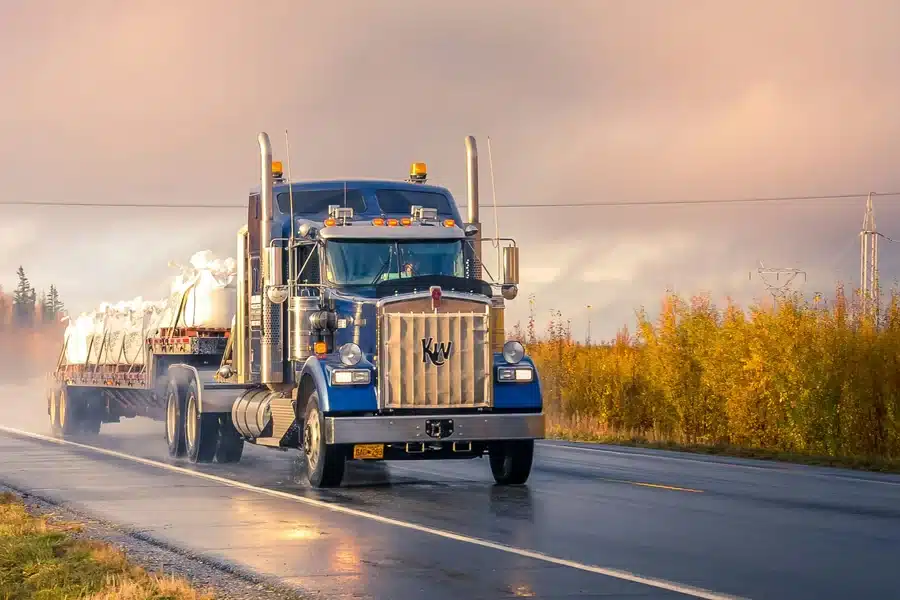
Most drivers share the road with commercial trucks every day. These vehicles transport goods across cities, states, and the entire country, making them a vital part of the economy. At the same time, their size and weight create challenges that differ significantly from those associated with ordinary passenger vehicles.
A fully loaded commercial truck requires more distance to stop, has larger blind spots, and can cause far greater damage during a collision. Because of these unique characteristics, lawmakers and transportation agencies have developed regulations that go beyond the rules that apply to typical motorists.
These specialized commercial truck rules are designed to promote safety, improve accountability, and reduce risks for everyone using public roads. Understanding why these regulations exist helps explain the higher standards that trucking companies and professional drivers are expected to meet.
Professional Drivers Must Meet Higher Standards
Operating a commercial truck involves responsibilities that exceed those associated with driving a personal vehicle. As a result, commercial drivers are generally required to obtain specialized licenses and meet additional qualification standards.
Commercial driver’s licenses often require testing that covers vehicle operation, safety procedures, and regulations specific to commercial transportation. Drivers may also need endorsements depending on the type of cargo they transport or the vehicles they operate.
Medical qualifications are another important component. Because professional drivers spend long hours behind the wheel, regulations often require periodic medical evaluations to help ensure they can safely perform their duties on the road.
Fatigue Prevention Is A Major Focus
Driver fatigue has long been recognized as a significant safety concern in the trucking industry. Long hours on the road can affect reaction times, concentration, and decision-making, increasing the risk of serious accidents.
To address these concerns, regulations establish hours-of-service requirements that limit how long commercial drivers may operate before taking required breaks or rest periods. These rules are intended to reduce the likelihood of fatigue-related crashes.
Electronic logging systems are commonly used to track driving time and document compliance. By monitoring hours more closely, regulators and employers can help ensure that drivers receive appropriate opportunities for rest.
Equipment Safety Extends Beyond The Driver
Commercial trucking regulations also focus heavily on vehicle condition and cargo security. Given the size and weight of these vehicles, mechanical failures can have serious consequences if they occur while a truck is traveling at highway speeds.
Regular inspections and maintenance requirements help identify problems before they lead to breakdowns or accidents. Brake systems, tires, lighting equipment, and other critical components are often subject to detailed review.
Cargo rules are equally important. Improperly loaded or unsecured freight can shift during transport, affecting vehicle stability and creating hazards for both the truck driver and surrounding motorists.
Compliance Often Becomes Part Of Investigations
When a commercial truck is involved in a collision, investigators frequently examine whether applicable regulations were followed. Compliance records can provide important information about the circumstances leading up to the crash.
Driver qualifications, hours-of-service records, maintenance logs, and inspection reports may all be reviewed during an investigation. These documents can help identify whether safety requirements were followed appropriately.
Violations do not automatically determine responsibility, but they can become important factors when investigators evaluate the events surrounding an accident. This is one reason trucking companies devote significant resources to regulatory compliance.
Safety Regulations Serve A Broader Purpose
Commercial trucking plays an essential role in modern transportation, but the unique risks associated with large vehicles require additional safeguards. Specialized regulations help address challenges that do not typically exist for ordinary passenger vehicles.
By establishing standards for drivers, equipment, maintenance, and operational practices, trucking rules aim to reduce preventable accidents and improve safety outcomes. These requirements help create consistency throughout the industry.
While compliance may involve additional responsibilities for trucking companies and drivers, the broader goal is straightforward. Strong safety standards help protect professional drivers, their employers, and the millions of motorists who share the road with commercial vehicles every day.