
The Benefits of Solid Wood Worktops Over Other Materials
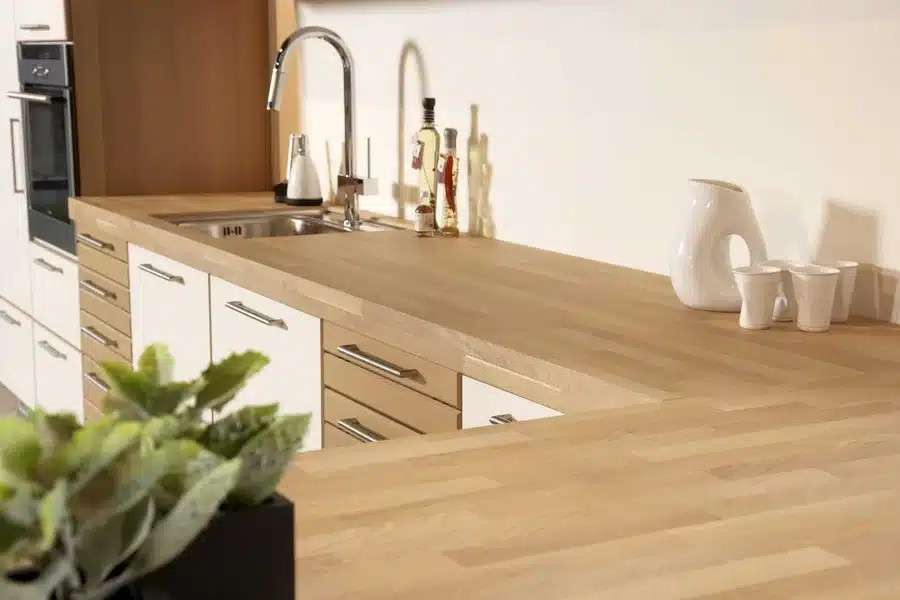
In a saturated market of synthetic surfaces and engineered alternatives, solid wood worktops retain a distinctive edge. Their popularity among kitchen designers, tradespeople, and renovators is not simply rooted in tradition, but in their unique ability to combine strength, versatility, and craftsmanship. Unlike laminate, composite, or stone options, solid timber offers long-term adaptability and a warmth that mass-produced materials rarely replicate.
This article examines the core advantages of solid wood worktops when compared with man-made and mineral-based alternatives, not only in terms of durability, but also their potential for repair, adaptability in bespoke installations, and reduced environmental impact.
Strength, Longevity and Surface Durability
Solid wood worktops offer exceptional mechanical strength across a wide range of hardwood species. When correctly installed and treated, they provide decades of reliable use, standing up to the rigours of a working kitchen without compromising on appearance. Unlike veneered or laminate surfaces, which rely on adhesive layers and thin printed skins, solid timber is a single-material structure throughout, meaning its strength is uniform from surface to core.
It’s also worth noting that solid wood has an inherent flexibility that stone and composites do not. Quartz and ceramic surfaces may offer a high degree of hardness, but they can crack under impact or stress. By contrast, wood absorbs shock more gracefully, making it particularly well suited to environments with regular use and varied activity.
Where resilience meets warmth and texture, solid wood strikes a rare balance. Its surface gains character over time without losing structural integrity, and this gradual patina only enhances the material’s natural appeal.
Repairability and Lifecycle Value
One of the most compelling advantages of solid wood worktops is their capacity for renewal. Unlike laminate or composite materials, which typically show irreversible wear once damaged, a wooden surface can be repaired, refinished, or even reconfigured to suit evolving layouts or uses.
Superficial scratches, light staining, and general wear can be resolved through light sanding and re-oiling, restoring both the appearance and functionality of the surface with minimal intervention. Deeper damage, such as knife gouges or localised discolouration, can also be repaired with more targeted refinishing techniques. This stands in contrast to manufactured surfaces which, once chipped or cracked, usually require full replacement due to their layered or brittle structure.
From a cost perspective, the ability to restore rather than replace gives solid timber a longer useful lifespan than most synthetic alternatives. While the initial investment may be slightly higher, this is typically offset by lower long-term maintenance costs and the absence of disposal or reinstallation fees associated with worn-out composite materials.
Not only that, but a wooden worktop that has reached the end of its life in one setting can often be repurposed (as shelving, cutting surfaces, or furniture components) extending the value of the original material and reducing waste.
Sustainability and Environmental Responsibility
Compared to the energy-intensive production processes of synthetic and mineral-based materials, solid wood worktops offer a more sustainable path from sourcing to installation, especially when sourced from well-managed forests with verified chain-of-custody certifications.
The carbon footprint associated with solid wood production is generally lower than that of engineered alternatives like quartz, resin composites, or high-pressure laminates. Timber requires minimal processing, no synthetic bonding agents, and considerably less embodied energy overall. Even transport emissions are reduced when opting for locally or regionally sourced woods.
In terms of end-of-life impact, solid timber is fully biodegradable and recyclable. Unlike petrochemical-based surfaces that contribute to landfill waste, wooden worktops can either decompose naturally or be re-used in other applications, giving them a second or even third life beyond their original function.
What also sets wood apart is the absence of artificial binders, glues, or surface treatments that can off-gas or release volatile compounds over time. This contributes to a healthier indoor environment and reduces the long-term ecological burden associated with disposal or demolition.
Customisation and Joinery Flexibility
Solid wood worktops offer a level of customisation and joinery flexibility that few other materials can match. Timber is inherently workable, meaning it can be cut, shaped, routed, and joined with precision, which makes it particularly well-suited to bespoke kitchen layouts, unconventional floor plans, or projects requiring a tailored finish.
Where rigid materials such as quartz or porcelain slabs are constrained by weight, brittleness, and standardised sizing, solid wood can be adjusted to exact dimensions. Features like curved edges, radius corners, and non-standard cut-outs for sinks and hobs can be easily incorporated during manufacture or installation.
Timber also accommodates decorative detailing, such as bespoke drainer grooves, inlaid hot-rod protectors, and unique end-grain finishes. These elements contribute not just to functionality, but also to the individuality of the finished kitchen.
Conclusion
Solid wood worktops continue to offer a rare combination of practicality, longevity, and design adaptability. From their strength and renewability to their compatibility with bespoke installations, they provide a material solution that aligns as well with daily function as it does with long-term value. For projects seeking depth of character without compromising on performance, solid timber remains a sound and versatile choice.