
Negotiating Parental Strategies in Preparing Children for Orthodontic Treatment
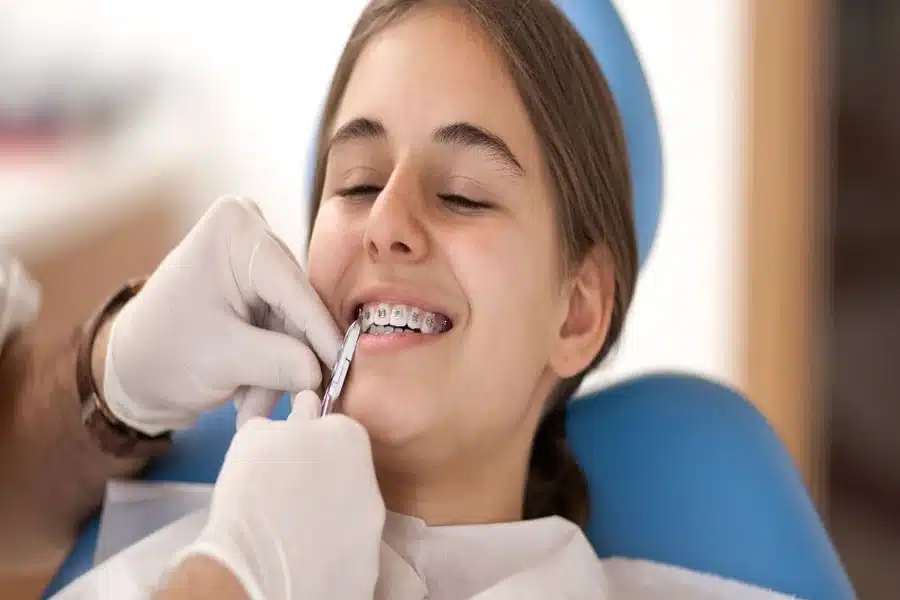
Orthodontic intervention in childhood, though medically routine, often intersects with complex emotional and cognitive responses, both from the child and their caregivers. While existing literature on pediatric dentistry acknowledges the technical efficacy of early orthodontic correction (Proffit et al., 2019), considerably less attention has been given to the preparatory communicative practices parents deploy prior to the initiation of treatment. The question of how best to ready a child for braces or aligners—treatments that may affect daily routines, bodily comfort, and social perception—deserves a more nuanced exploration, particularly when situated within developmental psychology and family communication frameworks.
Framing Autonomy and the Role of Parental Discourse
Scholars in child development frequently underscore the centrality of agency and autonomy in early cognitive and emotional resilience (Piaget, 1972; Vygotsky, 1978). Applying such insights to the context of orthodontic preparation, it becomes evident that parental language—especially the framing of necessity and choice—can substantially influence a child’s experience. For instance, rather than presenting treatment as an imposition, caregivers who involve children in decision-making (e.g., choosing band colors or understanding procedural steps) may foster a sense of ownership. This aligns with self-determination theory (Deci & Ryan, 2000), which posits that autonomy-supportive environments contribute to greater intrinsic motivation and compliance. However, the effectiveness of such strategies may vary across cultural or socio-economic contexts, a consideration often omitted in overly prescriptive parental advice.
The Ethics of Honesty and the Management of Clinical Anxiety
It is important to note, however, that communication strategies alone may not mitigate all anxiety. As several studies have suggested, children’s fear in clinical settings is not merely a function of unfamiliarity, but often emerges from perceived loss of control and anticipation of discomfort (Klingberg & Broberg, 2007). In this regard, preparatory discourse should neither exaggerate nor dismiss the sensory aspects of treatment. Rather than offering false reassurances (“It won’t hurt at all”), which risk undermining trust, developmental psychologists advocate for calibrated honesty—acknowledging possible discomfort while situating it within a manageable temporal frame. Phrases such as “It might feel strange for a few days, but your mouth will get used to it,” exemplify such balance. This communicative moderation, while subtle, reflects an ethical orientation to truthfulness and emotional containment.
Beyond Technique: Questioning Normative Narratives of Compliance
At the same time, one must remain cautious about universalizing such recommendations. While empirical data supports the use of child-centered language in medical contexts (Coyne, 2006), some scholars have raised concerns about overemphasizing individual choice in ways that may inadvertently place the burden of adaptation on the child rather than the care system. From a critical standpoint, this mirrors broader neoliberal logics that valorize autonomy while obscuring structural constraints (Rose, 1999). Thus, any account of “good” parental practice in this area must remain alert to the socio-political conditions shaping familial health decisions.
Cultural Scripts, Medical Authority, and the Social Construction of ‘Normal’
Moreover, the timing and tone of orthodontic conversations matter not only in terms of child psychology but also within broader discursive constructions of medical normalization. That is, how caregivers describe braces—as a rite of passage, a mark of modern health care, or a purely aesthetic correction—implicitly teaches children how to interpret their bodies in relation to social norms. In the context of orthodontics for kids, such discourse becomes particularly salient, as children are still in the process of forming durable self-concepts. As Davis (1995) argues in her analysis of cosmetic and reconstructive practices, even seemingly benign interventions carry cultural inscriptions that shape subjectivity.
Toward a More Relational Model of Preparation
In practice, the question is not simply whether children are “prepared,” but how their emotional responses are framed, sanctioned, or redirected by those around them. The role of the orthodontic provider here should not be underestimated. Many clinicians adopt a pedagogical stance, explaining procedures through metaphors or analogies that demystify the process. Such interventions are often effective, but they too participate in shaping the child’s understanding of pain, cooperation, and compliance. It may be more productive, therefore, to view this preparation as a distributed process—emerging from ongoing, negotiated interactions among children, parents, and clinicians, rather than as a one-time script to be delivered by caregivers alone.
Conclusion: Toward Contextually Responsive Frameworks
In conclusion, preparing children for orthodontic treatment is not merely a matter of logistical readiness or surface-level encouragement. It entails a delicate balance of honesty, autonomy, and emotional attunement, all of which unfold within broader cultural and institutional contexts. As research into orthodontics for kids continues to evolve, greater attention to lived experience—rather than generalized behavior protocols—may yield richer insights into how families adapt to treatment. Future research might benefit from ethnographic or longitudinal approaches that trace how children’s perceptions evolve across the course of treatment and how parental narratives adapt in response to these shifts. Only by situating these interactions within both developmental theory and critical health discourse can we fully appreciate their complexity and stakes.