
Trade Finance Solutions For Small Businesses: Growing Beyond Borders
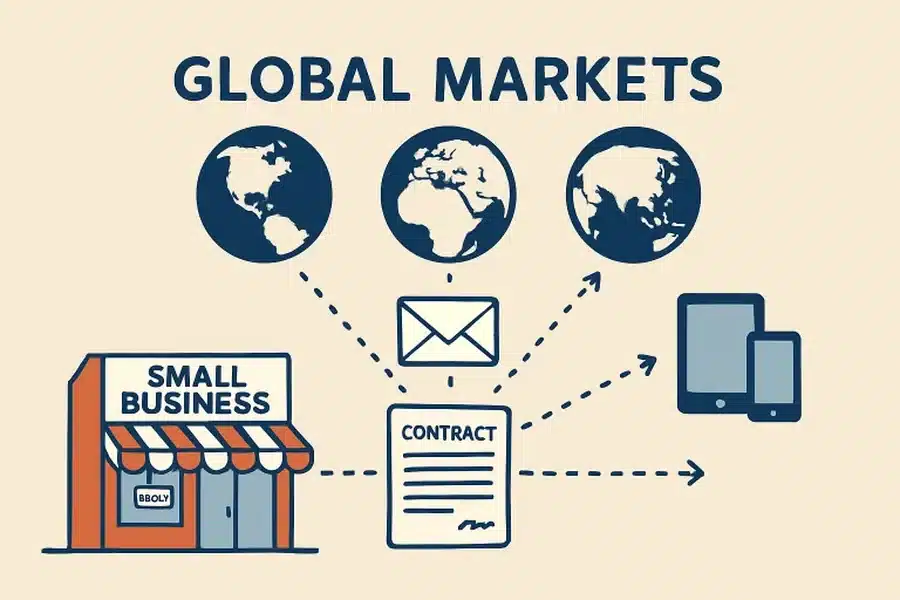
Small and medium-sized enterprises (SMEs) worldwide are undergoing a shift in their ambitions, with an increasing number of companies seeking to expand into international markets. However, the appetite for global expansion is often stifled by complex financial and logistical challenges that can seem insurmountable. ScotPac Trade Finance emerges as a solution-driven partner, offering specialized trade finance solutions designed specifically to empower SMEs. These financial tools help businesses overcome hurdles such as currency risks, foreign regulations, and long payment cycles, clearing the path for seamless cross-border growth. With the right strategy, SMEs transform obstacles into opportunities, enabling them to compete with much larger players and establish a robust international footprint.
Access to dynamic, robust trade finance is often the crucial lever that enables small businesses to move from survival to thriving growth. Trade finance is more than just financial aid; it’s a catalyst that unlocks new possibilities by managing cash flow cycles, reducing payment uncertainties, and enabling agile responses to market fluctuations. When SMEs harness the power of advanced financial instruments and cutting-edge digital platforms, they redefine their competitive edge. These tools don’t just level the playing field—they help SMEs innovate, build customer trust worldwide, and access supply chains previously dominated by multinational corporations.
Understanding Trade Finance
Trade finance is a comprehensive ecosystem of financial products and specialist services that underpin the buying and selling of goods and services both internationally and domestically. While the term encompasses a wide range of solutions, its core function is to act as financial “middleware”—bridging the payment and delivery gap between trading partners. This arrangement reassures sellers that they’ll be paid promptly and guarantees buyers that they’ll receive their products as ordered, regardless of the distance or jurisdiction involved. For SMEs, who often lack the strong balance sheets and global networks of larger enterprises, trade finance offers much-needed liquidity and built-in risk management. As explained by Investopedia, trade finance encompasses instruments such as letters of credit, export credit, and insurance, which collectively mitigate payment risks and facilitate global commerce. Whether securing working capital for bulk orders or navigating the intricacies of global regulations and foreign exchange, trade finance enables small businesses to project confidence and reliability in the global arena.
Common Trade Finance Instruments
The success of SMEs in international trade often hinges on their ability to use specific financial instruments to navigate uncertainty and complexity:
- Letters of Credit (LCs): Serving as a financial safeguard, an LC is a firm commitment from a bank on behalf of the buyer to pay the seller upon fulfillment of contractual conditions. It alleviates trust issues between trading counterparts by shifting the risk from unknown partners to reputable financial institutions.
- Bank Guarantees: These act as a promise from the bank to cover the obligation if the trader defaults, significantly lowering exposure to counterparty risk and providing peace of mind on both sides of the deal.
- Invoice Financing: Rather than waiting weeks or months for payment, SMEs can sell their outstanding invoices to financiers, unlocking immediate cash flow. This provides critical liquidity to fulfill new orders and invest in further expansion right away.
- Supply Chain Finance: By collaborating with more established buyers and leveraging their credit ratings, SMEs can access early payment for goods delivered while affording buyers extended terms. This bolsters long-term supplier relationships and maintains healthy cash flow throughout the supply chain.
Benefits for SMEs
A well-defined trade finance strategy creates tangible benefits that go far beyond facilitating transactions:
- Risk Mitigation: Trade finance tools, such as letters of credit and guarantees, absorb much of the uncertainty inherent in cross-border transactions. Sellers are protected against non-payment, and buyers are assured of receiving goods as contractually promised, even in volatile regions or markets.
- Improved Cash Flow: Access to invoice discounting and supply chain finance enables SMEs to avoid depleting their reserves or resorting to expensive, short-term loans, thereby maintaining smooth operations. Reliable cash flow enables them to capitalize on new business opportunities and respond more quickly to market shifts.
- Market Expansion: Trade finance lets SMEs engage confidently with new suppliers and customers abroad, negotiate competitive payment terms, and meet the requirements of major buyers. Freed from financial constraints, SMEs can pursue ambitious growth strategies, tap into high-potential markets, and boost export revenues.
Digital Transformation in Trade Finance
Technological innovation is revolutionizing the trade finance landscape, making it faster, more secure, and more inclusive for SMEs. With the rise of digital platforms, AI-driven risk assessment, and blockchain-powered digital trade finance solutions, many of the manual, paper-based processes that once hindered trade finance now occur instantaneously online. For example, automating document checks and using smart contracts for faster settlements significantly reduces human error and processing times. Real-time tracking, automated compliance checks, and enhanced transparency further empower small businesses to seize international opportunities without being overwhelmed by administrative tasks. In this digital era, SMEs finally have access to trade finance tools once reserved for global giants, breaking down legacy barriers to entry and enabling a new generation of exporters.