
How To Build A Case After A Hit And Run Incident
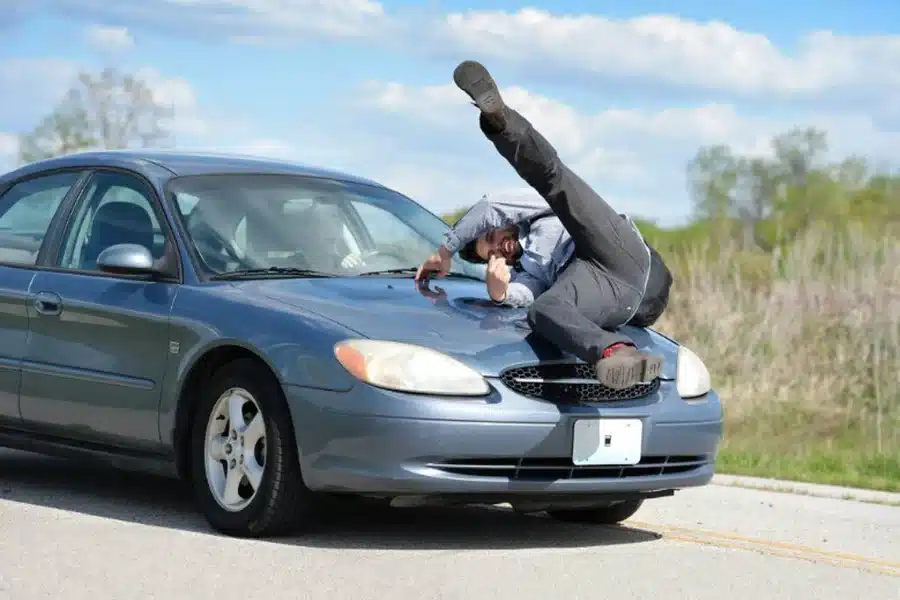
Normally, if someone causes an accident, they stop. They exchange insurance details. They make sure everyone is okay. But in hit-and-run cases, the guilty driver disappears. That leaves you to deal with the aftermath alone, often while injured, in shock, and unsure of what’s next.
What makes this situation worse is how common it is. While some drivers do eventually come forward, many don’t. You can’t rely on them doing the right thing. You have to take charge of your own case.
It can be comforting to know that even then, you still have rights. You still have options. And yes, you can still get the compensation you deserve if you know what to do and take the right steps from the start.
In this blog post, we’ll go over how you can build your case after you’ve been a victim of a hit and run.
Your First Steps After the Crash
First, stay put. Don’t chase the other car. That could be dangerous, and it could actually hurt your case. Instead, stop your vehicle safely, turn on your emergency lights, and call the police. Reporting the crash immediately gives you an official record that you’ll need later.
Even if you’re not sure how badly you’re hurt, seek medical attention right away. Injuries like concussions or internal damage don’t always show up right away. Medical records also serve as key proof that your injuries came from the crash.
Try to Identify the Other Driver
The police can’t do much without some sort of lead. So anything you remember can help.
Was the car a sedan or a truck? What color was it? Did you catch even part of the license plate? These might seem like small details, but they can be critical.
You’re not expected to be Sherlock Holmes, especially if you’re hurt. But even a half-remembered plate number or a description like “dark SUV with a dent on the left side” can narrow the search.
Collect All the Proof You Can
If you’re physically able, start taking photos. Capture your car’s damage. Snap the skid marks, broken glass, and any nearby property damage. If there are buildings or streetlights with cameras, take note of them. They might’ve recorded everything.
Talk to witnesses if you can. Get their contact info and ask what they saw. Their stories can support yours and fill in gaps you might’ve missed.
Once the police arrive, give them all these details. Later, ask for a copy of the police report. That report is one of the most important pieces of your case.
Dealing With Insurance
After a hit-and-run, contact your insurance company as soon as possible. They might send someone to check out the damage or ask for details. Either way, the faster you get in touch, the better. Don’t wait. Waiting could give them an excuse to delay or deny your claim.
If the other driver isn’t caught, your own uninsured motorist coverage may kick in. This is exactly what it’s there for: protecting you when the at-fault party can’t be identified or doesn’t have coverage.
Contact a Lawyer
If the process feels overwhelming, that’s normal. Hit-and-run cases aren’t easy. That’s why hiring an experienced personal injury lawyer can make a big difference.
A lawyer knows how to chase down camera footage, interview witnesses, talk to insurance adjusters, and, when needed, take your case to court. Most importantly, they make sure that you’re not tricked into accepting a lowball offer or settling too soon.
They’ll also guide you in calculating both economic and non-economic damages and make sure you get full coverage for everything you’ve lost and suffered.