
Still Essential: Why Safety Vests Deserve More Attention on the Job Site
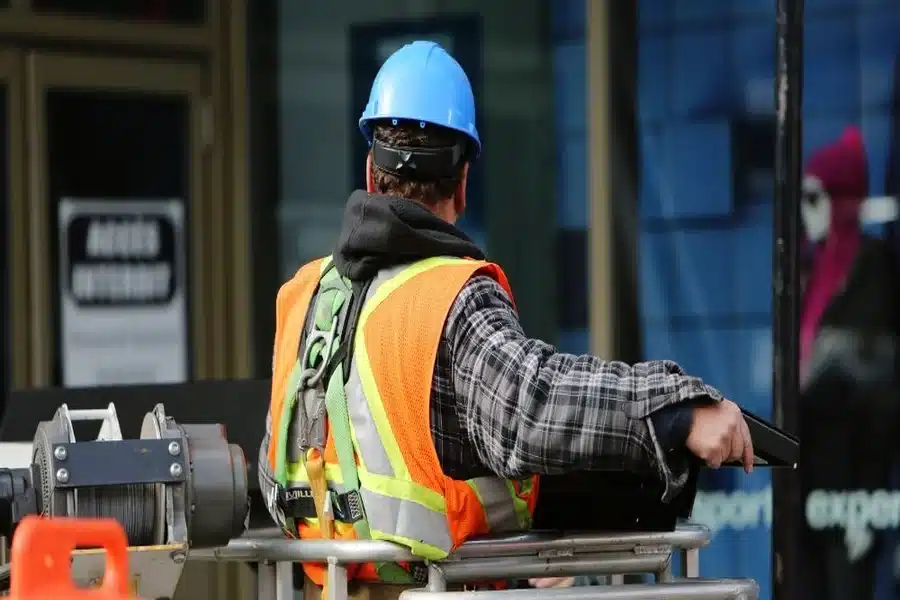
In the world of workplace safety, some gear gets all the attention — helmets, harnesses, heavy-duty boots. But there’s one piece of PPE that often flies under the radar, even though it’s worn daily, relied on constantly, and legally required in many industries: the safety vest.
It’s basic. It’s bright. It’s easy to forget about it until something goes wrong. And that’s exactly why it’s worth a closer look.
What a Safety Vest Actually Does (Beyond Looking Bright)
At first glance, a safety vest is just a brightly colored layer. But in reality, it’s a visibility tool — and in high-risk zones, visibility is everything.
Whether you’re working around moving equipment, near traffic, in a warehouse with forklifts, or outdoors at dawn or dusk, the risk isn’t always what you’re doing — it’s who can see you while you’re doing it.
Safety vests:
- Help drivers and operators spot workers faster, especially in peripheral vision
- Give crews a quick visual indicator of where people are
- Distinguish roles (many companies color-code vests for supervisors, new hires, visitors, etc.)
- Reduce the chance of accidents just by making people stand out from their surroundings
This isn’t just about caution — it’s about communication. A safety vest silently says, “There’s a person here. Pay attention.”
Breaking Down Vest Classes: 1, 2, and 3
If you’re sourcing safety vests, it’s important to understand the three basic classes, especially if you need to meet OSHA or ANSI standards.
Class 1
- For low-impact areas (warehouse floors, sidewalk deliveries)
- Use when workers are away from active traffic and moving vehicles are under 25 mph
Class 2
- For jobs with more traffic or complex environments (road crews, airport grounds)
- More reflective material and more surface area than Class 1
Class 3
- For the highest-risk conditions: low visibility, fast-moving vehicles, poor weather
- These vests often have sleeves, full coverage, and large reflective panels
- Think highway work, emergency responders, or nighttime roadside operations
Your work environment will tell you which class you need. But beyond compliance, choosing the right class simply helps your team stay safer with less guesswork.
Features That Make a Difference
Not every vest is created equal — even within the same class. When selecting safety vests, a few details go a long way:
- Pockets and utility loops: For carrying tools, pens, radios, or ID badges
- Breakaway seams: Let the vest tear away in case it gets caught in machinery
- Zipper vs. Velcro closures: Zippers are more secure, but Velcro is easier with gloves
- Breathable mesh: Keeps things comfortable in hot weather
- Flame-resistant materials: Required for electrical and fire-risk environments
These features might seem small, but over a 10-hour shift, they add up to more convenience — and fewer distractions from the job at hand.
Where to Get Solid, Work-Ready Vests
If you’re looking to outfit a crew or standardize your PPE across multiple job sites, it helps to have a source that focuses specifically on work zone safety.
Here’s a curated selection of safety vests that covers Class 1, 2, and 3 needs — along with options for surveyors, traffic control, and general job site use:
The options range from basic mesh vests to more rugged, utility-focused designs. If you need ANSI-compliant gear, flame-resistant materials, or just something comfortable for summer work, it’s a good starting point.
A Small Layer with a Big Impact
In the end, safety vests don’t get much hype — and maybe that’s the point. They’re not complicated. They’re not expensive. But they work, and they’ve been doing their job for decades.
Still, that doesn’t mean they’re something to take lightly. The wrong vest — or no vest at all — can be the difference between a near miss and a reportable incident.
So if you’re managing safety for a team, a site, or a single project, take a moment to check in. Are your people wearing the right visibility gear for the work they’re doing? Are the vests in good shape, clearly marked, and suited to the conditions?
Because sometimes, the simplest safety decisions are the ones that matter most.