
How Locksmiths Handle Emergencies in Houses and Workplaces
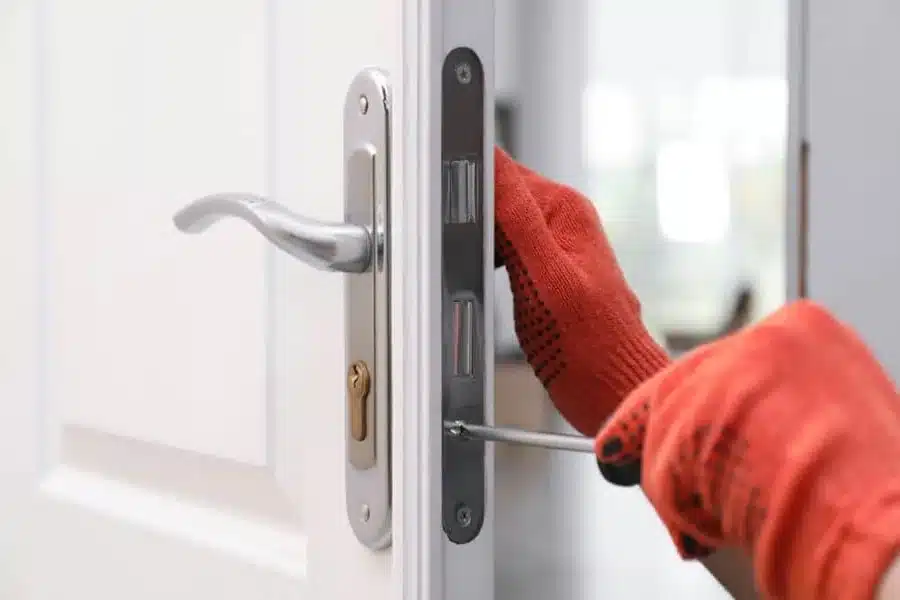
Most people don’t think about locksmiths until something goes wrong. Keys get lost, locks break, or doors jam shut at the worst possible moment. That’s when locksmiths become the people who can turn a stressful situation into a manageable one. Their work might seem simple from the outside, but in emergencies, they use skill and training to get people back inside safely, protect property, and make sure security isn’t left weaker than before.
When Home Turns Into a Lockout
It’s one of the most common emergencies: being locked out of a house. Maybe the key slipped out of a pocket during the day, or it’s still sitting on the kitchen counter. Standing outside a locked door can feel frustrating, especially late at night or when the weather is bad.
Locksmiths arrive with the right tools to open the door without damaging it. While TV shows often make it look like a quick trick with a paperclip, real locksmiths rely on special picks, key decoders, and professional gear. The goal is to get the door open fast while keeping the lock in good condition. Sometimes, though, the lock is too old or damaged to save, and a replacement has to be installed right away.
This is also where safety matters. People sometimes think about breaking a window or forcing the door open, but that often causes more damage and costs more to repair. A locksmith can do the job quickly and without making things worse. If it happens often, they may suggest options such as keyless entry systems or restricted keys. For people in Western Australia, searching for help through an emergency locksmith Perth service can provide a reliable solution right when it’s needed most.
Locked Out at Work
Lockouts don’t only happen at home. Offices, shops, and warehouses face the same problems, and sometimes with bigger risks. A staff member might lose the main set of keys, or a digital access card might stop working. In these cases, being locked out can mean lost business hours, delayed work, or even security risks if sensitive areas can’t be secured.
A locksmith trained in commercial work understands these challenges. They’re not just opening a door; they’re protecting valuable equipment, documents, and sometimes entire buildings. Many workplaces use systems that are more advanced than the average home lock, so the locksmith has to know how to handle restricted key systems, master key setups, or electronic access controls. They focus on getting the business running again without leaving weak points in the security setup.
Keys That Break at the Worst Time
Another common emergency is a broken key stuck inside a lock. It can happen when a key is old, bent, or forced in the wrong way. At home, this might mean not being able to get inside at all. At a workplace, it can keep a storeroom or important office locked shut. Locksmiths carry extractors designed to pull out broken keys without damaging the lock itself. If the lock is too worn, they’ll often recommend rekeying it or installing a stronger replacement.
Emergency Repairs After a Break-In
One of the most stressful moments is coming home or arriving at work to find that someone has broken in. Doors may be damaged, locks destroyed, and the sense of safety shaken. Locksmiths play a big role in these moments. After the police have been called, the locksmith works to repair or replace locks, reinforce entry points, and make sure the building is secure again.
At businesses, this can also mean reprogramming access cards or setting up temporary locks until a new system is installed. At home, it might involve adding deadbolts or upgrading to stronger locks. In both cases, the locksmith is not only fixing the damage but helping people feel safe again.
Handling Emergencies Without Causing More Problems
One reason locksmiths are trusted during emergencies is their focus on solving problems without creating new ones. For example, prying open a car door with the wrong tools can damage the wiring or set off alarms. Forcing a house door open can break the frame, making it less secure even after the lock is replaced. Locksmiths use methods designed to avoid these issues. They also know when the fastest solution is replacing the lock altogether, rather than trying to repair something that won’t hold up.
Why Businesses Need Fast Locksmith Response
In workplaces, every minute counts. A lockout can keep employees waiting outside, stop customers from coming in, or prevent access to important files. Locksmiths who handle commercial emergencies understand this pressure and often offer rapid response services. They come prepared with parts and tools so they can make repairs or replacements on the spot. Some even provide ongoing support plans, so businesses know they’ll always have help available if something goes wrong.
Preventing Future Emergencies
While locksmiths are known for responding in a hurry, many also help people avoid repeat problems. For homes, this could mean suggesting digital locks, spare key solutions, or rekeying after moving into a new place. For businesses, it might involve installing a master key system or upgrading to electronic access controls that can be managed remotely. These steps don’t just make emergencies easier to handle—they often prevent them from happening again.
Staying Safe During a Lock Emergency
One thing people sometimes forget during a lockout is safety. Waiting outside late at night, especially in a dark area, can feel risky. Locksmiths recommend finding a safe spot to wait, like a well-lit area or inside a nearby shop, until help arrives. At workplaces, keeping an updated list of emergency contacts, including a locksmith, can make the response quicker and reduce downtime.
Final Thoughts
Locksmiths do much more than unlock doors. They help in stressful moments, repair damage, and make sure both homes and workplaces stay secure. From late-night house lockouts to lost keys at the office, their role is to solve emergencies quickly while protecting what matters most. Knowing there’s a professional who can handle these situations gives people peace of mind—and sometimes that’s the most valuable part of their work.