
Mississippi Leads Nation in Uninsured Drivers Involved in Fatal Crashes, Study Finds
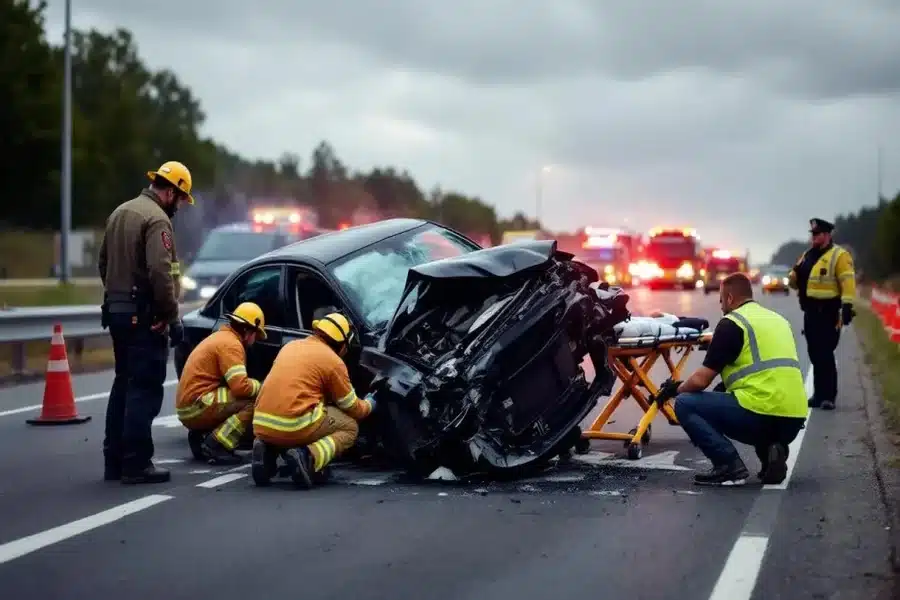
A new study by Shane Smith Law has revealed that Mississippi tops the nation for uninsured drivers involved in fatal crashes, highlighting the risks drivers face in states with high numbers of uninsured motorists.
The research, based on federal crash data from the National Highway Traffic Safety Administration (NHTSA) and population data from the U.S. Census Bureau, shows a strong correlation between states with higher uninsured populations and deadly road outcomes.
Mississippi at the Top
Mississippi recorded 69 estimated uninsured drivers involved in fatal crashes in 2023. This equates to 24 uninsured drivers in fatal crashes per million residents, the highest rate in the country.
Despite ranking eighth for percentage of uninsured residents at 10.3%, the state’s fatal crash involvement rate stands out. In total, Mississippi recorded 665 drivers involved in fatal crashes that year.
Wyoming and Texas Close Behind
Wyoming ranks second with 22 uninsured drivers in fatal crashes per million residents, based on 13 estimated drivers despite the state’s relatively small population of just 573,746. The state’s uninsured population is 10.7%.
Texas comes in third with 21 uninsured drivers in fatal crashes per million residents. While this figure is similar to Wyoming’s, the sheer scale of Texas’ road network makes the situation more alarming. The Lone Star State recorded 635 uninsured drivers involved in fatal crashes — the highest raw number nationwide. Texas also leads the country in percentage of uninsured residents, with 16.4% of drivers lacking coverage.
Oklahoma and New Mexico Round Out the Top Five
Oklahoma and New Mexico tie for fourth place, each recording 18 uninsured drivers in fatal crashes per million residents.
- Oklahoma: 73 estimated uninsured drivers involved in fatal crashes, with an uninsured population rate of 11.4%.
- New Mexico: 37 estimated uninsured drivers in fatal crashes, with 9.1% of residents lacking insurance.
These findings illustrate how both small and large states can face disproportionate risks when uninsured driving is prevalent.
States With the Lowest Rates
At the other end of the spectrum, states with stronger insurance enforcement and lower uninsured populations recorded the smallest numbers of uninsured drivers in fatal crashes.
- Massachusetts ranks lowest, with just 1 uninsured driver involved in fatal crashes per million residents. Only 2.6% of its drivers are uninsured — the lowest figure nationwide.
- Hawaii comes second-lowest, with 2 uninsured drivers per million residents and 3.2% uninsured overall.
- New York and Minnesota both recorded 3 uninsured drivers per million residents, despite their large populations.
- Rhode Island also logged 3 uninsured drivers per million, with 4.5% of residents lacking coverage.
Full Top 10 States for Uninsured Drivers in Fatal Crashes (per million residents)
- Mississippi – 24 (10.3% uninsured)
- Wyoming – 22 (10.7% uninsured)
- Texas – 21 (16.4% uninsured)
- Oklahoma – 18 (11.4% uninsured)
- New Mexico – 18 (9.1% uninsured)
- South Carolina – 17 (9.1% uninsured)
- Arizona – 16 (9.9% uninsured)
- Tennessee – 16 (9.3% uninsured)
- Arkansas – 16 (8.9% uninsured)
- Georgia – 16 (11.4% uninsured)
Why the Numbers Matter
An expert at Shane Smith Law commented on the findings:
“These statistics show there is a correlation between states with high uninsured populations and fatal crashes involving uninsured drivers. This creates serious problems for accident victims seeking compensation for injuries. States with stronger insurance requirements and enforcement show lower rates of both uninsured residents and fatal crashes involving uninsured drivers. Better insurance mandates and enforcement could reduce these incidents and protect everyone on the road.”
The issue goes beyond financial liability. Victims struck by uninsured drivers often face significant hurdles when pursuing compensation for medical bills, lost wages, and long-term care. This makes uninsured motorist coverage a critical safeguard for drivers nationwide.
Broader Trends Across the U.S.
The study also highlights regional disparities:
- Southern states consistently rank high for uninsured drivers in fatal crashes, reflecting both cultural and policy factors.
- Northeastern states, where enforcement and insurance requirements tend to be stricter, consistently rank lowest.
- Large population states like California and New York have relatively low per capita rates, showing how enforcement and insurance mandates can offset risks even in densely populated regions.
What Drivers Can Do
Experts recommend drivers consider uninsured motorist coverage as an essential part of their insurance policy, even in states with lower uninsured populations. This coverage ensures protection in case of a crash with a driver who does not carry liability insurance.
Stronger enforcement, public awareness campaigns, and better access to affordable insurance are also viewed as long-term strategies to reduce the risks associated with uninsured driving.
Methodology
The study analyzes census data on health insurance coverage in each state, alongside fatal crash data from the NHTSA. Researchers calculated the number of uninsured drivers involved in fatal crashes per million residents to identify which states face the highest risks.