
Strategy Games as Brain Workouts
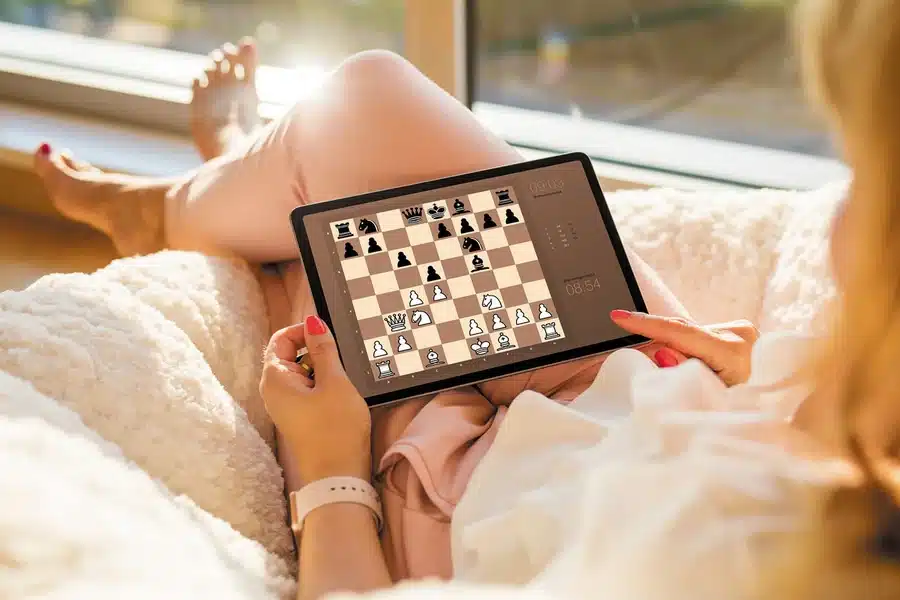
Most people know how important it is to move their bodies. Going for a run, lifting weights, or stretching each morning keeps muscles strong. But the brain deserves the same kind of attention. Mental exercise doesn’t always have to come from textbooks or work. Sometimes it comes from something we look forward to, such as strategy games.
Strategy games aren’t just ways to pass the time. They push players to think critically, plan, and recover when things go wrong. From puzzles on your phone to chess boards and digital platforms, these games build skills that carry over into everyday life. They challenge the brain the same way lifting challenges the body.
How Strategy Games Work the Mind
What makes strategy games so effective is that they demand focus. You can’t simply coast through them. Each decision matters, and poor planning shows up quickly. That cycle of planning, acting, and adjusting keeps the brain active.
Researchers have measured this effect. A study in Frontiers in Psychology reported that people who played complex games improved their problem-solving and adaptability. These skills matter in the classroom, at work, and even at home.
The most substantial benefits tend to come in a few key areas:
- Memory: remembering moves, rules, or resource counts.
- Foresight: predicting outcomes and planning several steps.
With steady practice, these abilities grow just like strength from repeated workouts.
Lessons That Carry Over
What happens in games doesn’t stay there. Strategy play creates habits that spill into daily life. People often notice they can handle more tasks at once without feeling as overwhelmed. They get better at breaking down big goals into smaller ones. Quick decisions feel easier because they’ve already practiced risk assessment in a low-stakes environment.
Educators have recognized the same thing. Game-based learning has entered classrooms, with teachers using puzzles and structured play to teach persistence. Students learn that failing a few times is part of the process, and sticking with a challenge eventually pays off.
These principles even surface in public debates. Conversations about US jurisdictions with legal online poker focus on fairness, risk, and structured decision-making, the same thought processes that strategy games build in players of all ages.
Strategy Games Are Social
It’s easy to picture strategy games as solitary, but they often unite people. Board game nights are popular again, while online platforms let friends and strangers connect across continents. The fun comes from the game itself and the laughter, tension, and teamwork it creates.
During the pandemic, I started playing digital board games with friends to stay connected. We logged on once a week, and what began as a distraction quickly became a tradition. We joked, argued over moves, and sometimes learned more about each other’s personalities than we expected. Those sessions reminded me that strategy games are as much about connection as they are about competition.
That social layer matters. Explaining your reasoning, adapting to a teammate’s mistake, or celebrating a group win mirrors the same skills needed at work and in relationships.
More Than Just Entertainment
Strategy games are fun, but the traits they strengthen reach far beyond the table or screen.
- Confidence: making decisions repeatedly builds trust in your judgment.
- Resilience: losses don’t feel like failures, they become lessons.
- Critical thinking: players learn to see different angles before committing to one choice.
A review in the American Journal of Play highlighted how structured play improves problem-solving and emotional regulation. These findings match what many players experience personally. Games teach patience and encourage calm responses when life gets unpredictable.
Adding Strategy to a Routine
You don’t need to dedicate entire weekends to see the benefits. A few short sessions each week are enough to give the brain a lift.
- A ten-minute puzzle can sharpen focus before work.
- A weekly chess game builds long-term planning.
- A longer city-builder or tactics match trains patience and resource management.
Consistency is what makes the difference. Just like physical training, steady practice beats the occasional marathon session.
It’s also essential to keep balance. If a game becomes frustrating, it may be time to shorten the session or switch to something lighter. The point is to challenge the brain in a rewarding, not draining way.
A Personal View
I’ve noticed the impact myself. Strategy games have changed how I handle stress outside of play. When something unexpected happens, such as a project getting delayed or plans falling apart, I don’t rush to react as quickly as I once did. Instead, I stop, look at the options, and choose the most logical path.
That doesn’t mean I always make the right call. I still slip into old habits now and then. But I’ve noticed I bounce back faster and with less frustration. The repetition of pausing, reassessing, and adjusting inside games has reshaped how I deal with problems in the real world.
Conclusion
Strategy games are often considered hobbies, but they’re more than that. They exercise memory, strengthen decision-making, and build patience. They also bring people together, creating shared experiences as valuable as the lessons themselves.
A few intentional sessions each week can make a lasting difference. Just as we train our bodies to stay fit, we can train our minds to stay sharp. Choosing a game you enjoy and sticking with it might feel like play now, but it prepares you for the challenges waiting outside the game.