
How to Prepare Your Commercial Floors for Heavy Use
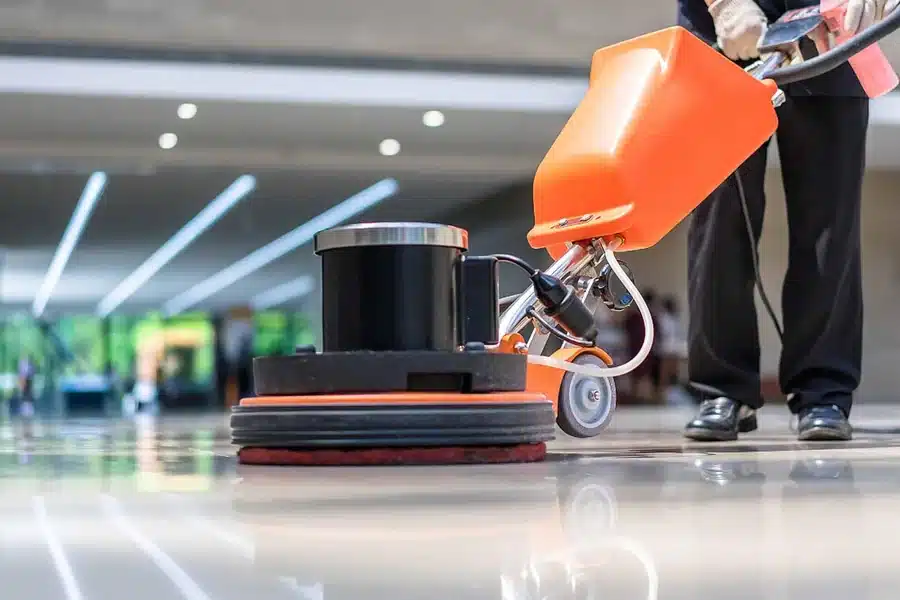
Commercial floors in warehouses, retail spaces, and manufacturing plants endure constant stress from foot traffic, heavy machinery, and potential chemical spills. Preparing these surfaces properly is not just about aesthetics; it is a critical investment in safety, durability, and long-term operational efficiency. A well-prepared floor can withstand daily demands, reduce maintenance costs, and prevent workplace accidents.
Neglecting your floors can lead to premature wear, cracks, and safety hazards that disrupt business. Taking proactive steps to prepare and protect your flooring ensures it can handle the rigors of heavy use from day one. This guide will walk you through the essential steps to get your commercial floors ready for demanding environments.
Start with a Thorough Inspection and Cleaning
Before any treatment or coating is applied, the floor must be completely clean and properly assessed. This initial step is crucial for ensuring that any subsequent layers will adhere correctly and perform as expected.
Deep Cleaning the Surface
Begin by removing all loose debris, dust, and dirt with industrial-grade sweepers or vacuums. The next step is to address any stains, grease, or old coatings. High-pressure washing, steam cleaning, or chemical strippers may be necessary to eliminate stubborn contaminants. A pristine surface is essential for proper bonding of primers, patches, and topcoats. Any residue left behind can compromise the integrity of the new flooring system.
Assessing the Damage
Once the floor is clean, conduct a detailed inspection of the entire surface. Look for cracks, spalling, pitting, and uneven areas. Note the location and severity of any damage. This assessment will help determine the extent of repairs needed. Minor cracks may only require a simple filler, while larger areas of damage could indicate more significant structural problems that need attention.
Repair and Patch Imperfections
Addressing existing damage is a non-negotiable step in preparing a floor for heavy use. Applying a new coating over a damaged substrate will only lead to premature failure.
Filling Cracks and Joints
Small cracks and control joints should be filled with a flexible epoxy or polyurea filler. These materials are designed to accommodate slight movements in the concrete, preventing the cracks from reappearing. For wider or deeper cracks, a more robust repair mortar may be required. Ensuring these are properly filled creates a smooth, uniform surface and prevents moisture from seeping into the slab.
Leveling Uneven Surfaces
Uneven floors pose a significant safety risk and can cause issues for equipment like forklifts. Use a self-leveling compound to correct low spots and create a flat, even surface. For larger areas with significant damage, professional intervention might be necessary. In some cases, extensive concrete restoration in Salt Lake City can bring a heavily damaged floor back to a like-new condition, providing a solid foundation for the final coating.
Select the Right Coating System
Choosing the appropriate coating is perhaps the most critical decision in preparing a commercial floor. The right system will protect against abrasion, chemicals, and impact, tailored to your specific operational needs.
Epoxy and Polyurethane Coatings
Epoxy coatings are a popular choice for commercial and industrial settings due to their excellent durability, chemical resistance, and adhesive properties. They create a hard, seamless surface that is easy to clean. For areas exposed to heavy UV light or requiring greater flexibility and scratch resistance, a polyurethane topcoat is often applied over the epoxy base.
Polished Concrete
For a durable and low-maintenance option, polished concrete is an excellent choice. This process involves mechanically grinding and polishing the concrete surface with progressively finer grits to achieve a high-gloss finish. A densifier is applied to harden the surface, making it resistant to abrasion and staining. Polished concrete is an attractive and long-lasting solution for many commercial environments.
With the floor repaired and the coating selected, the final step is the application. Proper execution is key to a successful outcome. Ensure the area is well-ventilated and that the temperature and humidity levels are within the manufacturer’s recommended range for the chosen product. Following the application guidelines carefully will result in a floor that is ready to perform under pressure.
Investing in Your Foundation
Preparing your commercial floors for heavy use is an essential part of maintaining a safe and productive facility. By properly cleaning, repairing, and coating your concrete surfaces, you protect your investment and create an environment built for longevity. Taking these steps ensures your floors can handle whatever your business throws at them.