
How Long Does Stump Grinding Take? A Timeline Overview
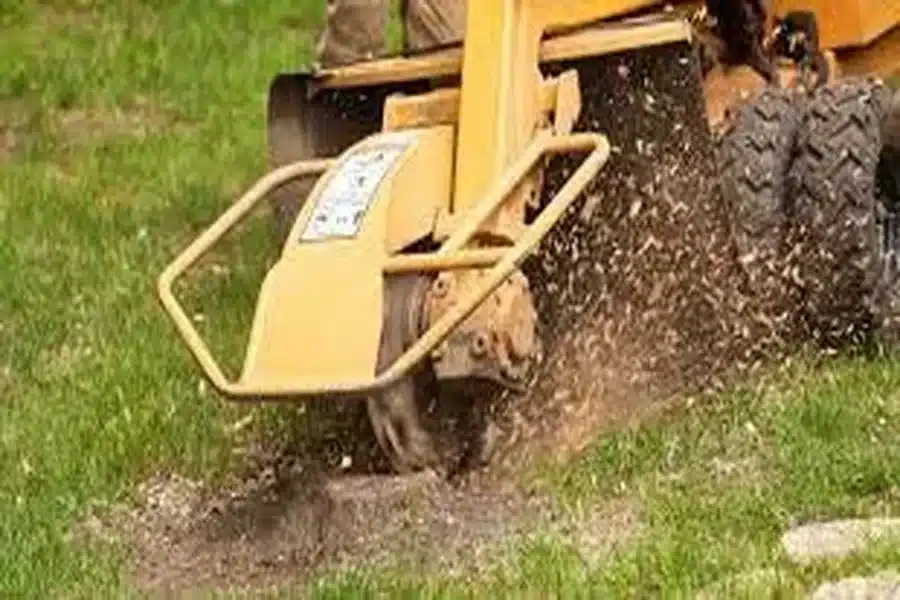
Stump grinding is an essential part of tree removal and landscape maintenance. Leftover stumps not only pose tripping hazards but can also attract pests, interfere with mowing, and hinder future landscaping projects. For homeowners and property managers, understanding the duration of the stump grinding process is crucial for effective planning and scheduling. While it may seem like a simple task, stump removal can vary greatly in duration depending on multiple factors, from the size and species of the tree to soil conditions and equipment used. We will explore the typical timeframes involved in stump grinding, why certain stumps take longer than others, and what property owners should expect during the process. Being informed allows for better planning, cost estimation, and overall efficiency in maintaining a safe and visually appealing property.
Factors Influencing Stump Grinding Duration
Size of the Stump
The diameter and height of a stump are among the primary factors influencing how long grinding will take, which is an important consideration when hiring a tree service in Mobile. Small stumps, typically under 12 inches in diameter, are usually removed within 15 to 30 minutes. These smaller stumps do not require extensive root grinding and are relatively easy to access, which makes the process faster. Medium stumps, ranging from 12 to 24 inches in diameter, may take between 45 minutes to an hour, depending on root structure and wood density.
Larger stumps, such as those from mature hardwood trees like oak or hickory, can take one to two hours or longer. Height also affects timing because stumps that were cut higher above the ground need more grinding to achieve a level surface suitable for planting or landscaping. Additionally, the hardness of the wood matters; denser species require more passes with the grinder to fully break down the stump and roots, extending the overall time required.
Root Complexity and Soil Conditions
A stump’s root system is another major determinant of grinding duration. Stumps with deep or widely spreading roots are significantly more challenging to remove. Trees with taproots or intertwined roots may require more time and effort to grind thoroughly. Soil conditions also play a vital role. Sandy or loose soil allows for easier grinding, while compacted clay or rocky soil can slow the process considerably. Wet or waterlogged soil introduces additional challenges as machinery may slip or sink, and operators must proceed cautiously to avoid damaging equipment or the surrounding yard. Roots that have grown into hard soil or rocky layers take longer to grind, and grinding may need to be paused to clear debris or reposition the equipment. Knowing the type of soil and root system beforehand helps homeowners anticipate the time and cost involved in stump removal.
Equipment Used
The type and size of the stump grinder directly impact how quickly a stump can be removed. Smaller, walk-behind grinders are ideal for residential properties with limited space. These machines are efficient for smaller stumps but may take longer for larger or more complex roots. Larger ride-on grinders can remove stumps much faster, especially those over 24 inches in diameter. Modern grinders often come with advanced cutting teeth and powerful motors, which can significantly reduce grinding time while providing a smoother finish. However, using larger equipment in confined areas may be challenging, requiring careful maneuvering that can slow down the process. Selecting the right equipment for the stump size, root complexity, and site conditions is critical for completing the task efficiently.
Location and Accessibility
The location of a stump on a property can dramatically influence the duration of grinding. Stumps situated in open areas are easier to access, allowing operators to work quickly and efficiently. Conversely, stumps located near fences, gardens, patios, or other obstacles require careful navigation to avoid damage, which adds time to the process. Accessibility for the equipment itself is another consideration. Stumps located far from driveways or hard surfaces may require additional time for equipment setup, transportation, and repositioning. In some cases, operators may need to move heavy machinery over uneven or sloped terrain, further extending the total time required. Planning ahead for accessibility issues can save time and reduce complications during stump removal.
Multiple Stumps or Large Projects
When a property contains several stumps, the overall duration of the grinding project increases accordingly. While a single medium-sized stump may take around an hour, multiple stumps may require several hours or even a full day, depending on their size, spacing, and root complexity. In addition, stumps that are very close together may require more careful maneuvering of equipment to ensure each stump is completely removed without damaging the surrounding area. Large projects may also involve staging equipment, clearing debris between stumps, and planning the sequence of removal to maximize efficiency. Understanding the scope of the project and the number of stumps involved helps property owners set realistic expectations and coordinate landscaping or construction activities around the stump grinding process.
The duration of stump grinding varies widely based on factors such as stump size, root complexity, soil type, equipment, location, and the number of stumps on a property. Small residential stumps may be removed in under an hour, whereas larger or more complex stumps can take several hours. Multiple stumps or large projects may require a full day of work, especially when factoring in safety measures and cleanup. By understanding these influencing factors, property owners can plan accordingly, anticipate potential challenges, and maintain a safe, attractive yard. Stump grinding is a valuable step in property maintenance that ensures safety, prevents regrowth, and prepares the land for future landscaping projects, allowing homeowners to enjoy a clean and usable outdoor space.