
5 Common Kitchen Island Lighting Mistakes That Homeowners Make
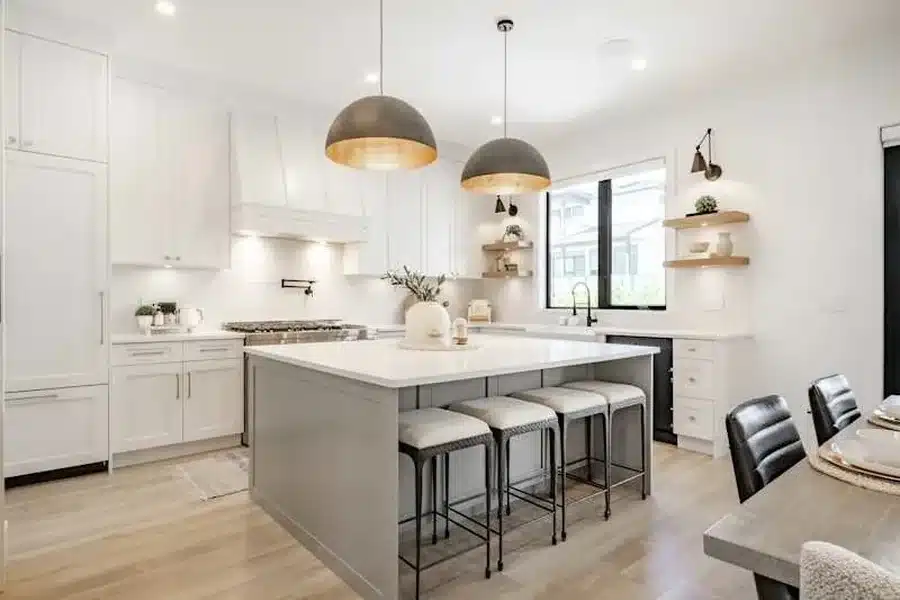
A kitchen with proper lighting will enhance both the function and style of the space, which makes it a primary space for conversation, food prep, and casual dining. Many homeowners invest in high-quality lighting with stylish finishes to make the space look polished and inviting. Sometimes, if the choice of lighting becomes wrong, it can make even the best designs look inappropriate or incomplete.
While choosing the light, the most common mistake is underestimating the impact of proper placement and brightness. Lighting without the right guidance can make even attractive fixtures fall short. That’s where thoughtful kitchen island lighting ideas come into play by serving both practical and aesthetic roles. In this article, we’ll discuss the most common mistakes that homeowners make when planning to purchase lighting for their kitchen islands and how to avoid them for a more cohesive space.
1. Choosing the Wrong Size
Size plays a crucial role in maintaining the balance above the island. Oversized lights can overpower the space, especially in smaller kitchens. If the light is undersized, it may not be visible to our eyes. A common measurement is to keep at least 6 inches of clearance from the ends of the island to each pendant.
When selecting the right size for your kitchen island lighting, always consider the ceiling height and the island’s length. A fixture might look good in the shop but appear different when placed at home. Proportion always matters, and visual balance is equally important as the light it provides.
2. Improper Placement of the Lights
Not spacing the fixtures properly is another mistake that impacts both the function and the style. Pendant lights that are placed too close might create shadows, and fixtures that are too far apart can leave the center of the island underlit. The key is to maintain a balance between the visual appeal and covering the whole surface.
It is best to place the light in the center of each work zone, like in areas where it is used for chopping, mixing, or plating food. If you’re using multiple pendants, then try placing them evenly, with about 24 to 30 inches between each, depending on the fixture’s width.
3. Not Considering the Temperature of the Color
When it comes to the feel of the kitchen, the lighting temperature has a direct impact on it. Some homeowners may choose bulbs without considering if the glow will be warm, cool, or neutral. If there is a mismatch between the bulb’s temperature and the kitchen’s design, then it can make the space feel harsh or overly dim.
For example, warm lighting is best suited for traditional or rustic styles. At the same time, cooler tones are more suitable for modern or industrial settings. White light with a neutral tone usually provides the best of both worlds.
4. Choosing a Similar Light Source
Relying entirely on a similar type of light for the entire kitchen is a common problem. The space might seem to be well-lit, but if the remaining areas are under the shadow, the room will feel unbalanced. In these cases, layering the lighting will be more effective and flexible.
It should always be a mix of ambient, task, and accent lighting, which helps to create a complete environment setup. Specifically for the island, the task lighting is crucial, and it should also be supported by ceiling lights or under-cabinet strips for depth and dimension.
5. Missing out the Dimmers and Controls
When it comes to lighting, it doesn’t always have to be fixed. Many homeowners forget to install dimmer switches, which provide control over the intensity of lighting throughout the day. Bright light may be useful during food prep, but a softer glow can set the mood during dinner or entertainment.
Using Smart dimmers or adjustable settings allows users to adjust the brightness based on their activity. This small addition to your light setting adds convenience. It also elevates the functionality of any kitchen island lighting plan.
6. Placing Hanging Lights at the Wrong Height
The height at which lights are hung plays a crucial role in influencing everything from visual representation to ambiance. Lights hung too low can block sightlines or create glare, while fixtures placed too high may not provide sufficient light for tasks.
The following are the basic guidelines to follow:
- Ideal Height: Lights should hang 30 to 36 inches above the kitchen island.
- Ceiling Considerations: Adjust based on ceiling height; higher ceilings may require longer down rods or chains.
- Avoid Obstruction: Make sure lights don’t block the view or conversation between people seated on the island.
Following these criteria ensures that the fixtures are both functional and visually pleasing.
Having the right kitchen island lighting ideas will transform the space into a more efficient, stylish, and inviting part of the home. Avoiding all the common mistakes mentioned above makes a noticeable difference in your home. A thoughtful approach ensures the island remains a visual centerpiece and a practical asset in everyday living.