
India’s Strategic Push to Challenge China in Container Manufacturing
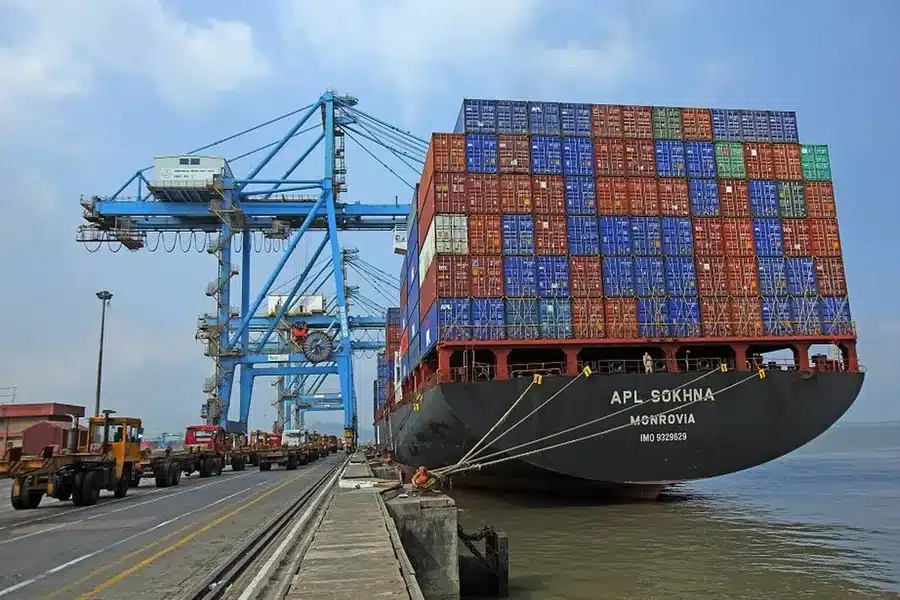
Amid rising geopolitical uncertainties, persistent equipment shortages, and an urgent global emphasis on diversified sourcing, India is making a concerted effort to localize shipping container production. China currently accounts for roughly 96 percent of global container output, creating a single‑source dependency for an asset that underpins about 90 percent of world trade. India’s government has responded with a targeted set of incentives and infrastructure commitments designed to reduce reliance on imported containers, strengthen logistics resilience, and expand its role in global supply chains.
The Global Container Market: China’s Dominance and India’s Starting Point
China’s near‑monopoly in shipping container production stems from decades of investment in steel fabrication, supply chain integration, and export‑oriented capacity. Major Chinese manufacturers such as CIMC and CXIC lead global output, enabling Chinese facilities to produce millions of containers annually. In contrast, India’s shipping container manufacturing landscape was until recently nascent, with domestic output estimated at around 30,000 units per year.
This production gap has material consequences. India routinely imports large volumes of empty containers or relies on leasing markets to support export stuffing, adding logistics costs and exposure to global equipment availability cycles. Industry observers have noted that India’s annual empty container needs for stuffing exports may reach up to 2 million TEUs.
India’s 2026 Budget: A ₹10,000 Crore Commitment to Manufacturing
India’s most decisive policy response came in the Union Budget 2026‑2027, with the government allocating ₹10,000 crore (roughly $1.2 billion USD) toward establishing and scaling a domestic container manufacturing ecosystem.
The package aims to:
- Expand existing container manufacturing facilities and support new entrants.
- Offset cost disadvantages relative to Chinese producers through targeted incentives.
- Integrate container production with port and logistics infrastructure.
According to government officials, the scheme targets increasing annual domestic container manufacturing capacity to approximately 1 million TEUs over the next decade.
The impact of the initiative extends beyond equipment supply. It is positioned as part of a broader export ecosystem strategy that also includes logistics reforms, export‑oriented infrastructure development, and trade facilitation measures.
Cost Competitiveness: Closing the Gap with China
A critical challenge for Indian container manufacturing is unit cost. At present, containers made in India are 30 to 40 percent more expensive than comparable units produced in China, largely due to higher raw material costs and lower economies of scale.
Achieving cost parity or at least narrowing the pricing gap is essential not only for domestic deployment but also for ensuring that Indian‑made containers can compete in export markets and with regional manufacturers in Vietnam, Bangladesh, and elsewhere.
Strategic Imperatives and Risk Mitigation
From a supply chain security perspective, diversifying production away from a single dominant exporter is a risk management priority. The pandemic era illustrated how rapidly container shortages can amplify transport bottlenecks and inflate freight costs. Investing in a second production hub amplifies flexibility for shippers, carriers, and logistics service providers.
Ongoing Challenges and Pathways Forward
Despite strong momentum, India’s container manufacturing ambitions face several challenges:
- Technology and production capability
- Supply chain inputs
- Certification and safety standards
Addressing these challenges will likely require partnerships between Indian firms and international manufacturers, knowledge transfers, and strategic investment frameworks that align incentives across stakeholders.
Competitive Landscape: Regional Players and Global Context
Although China remains dominant, other regional producers in Vietnam, Bangladesh, and Southeast Asia are exploring expanded container production, leveraging lower labor costs and proximity to Asian trade hubs.
If executed effectively, India could establish itself as a complementary hub for container production, serving intra‑regional trade and supporting national infrastructure needs.
A Turning Point in Supply Chain Infrastructure
India’s initiative to build a container manufacturing industry represents a significant shift in global supply chain dynamics. Backed by substantial government funding, supportive policy frameworks, and integration with broader logistics reforms, the country is staking a claim in a sector previously dominated by China.
Achieving meaningful scale will take time and sustained investment. But the alignment of national policy, infrastructure expansion, and growing export demand positions India to not only reduce reliance on imported containers but also contribute to a more resilient and diversified global supply chain framework.
This strategic pivot in container manufacturing reflects broader ambitions for India’s role in international trade and logistics, and it will be closely watched by supply chain professionals, carriers, and global shippers alike.