
How to Maximize the Value of Used Old RAM Memory
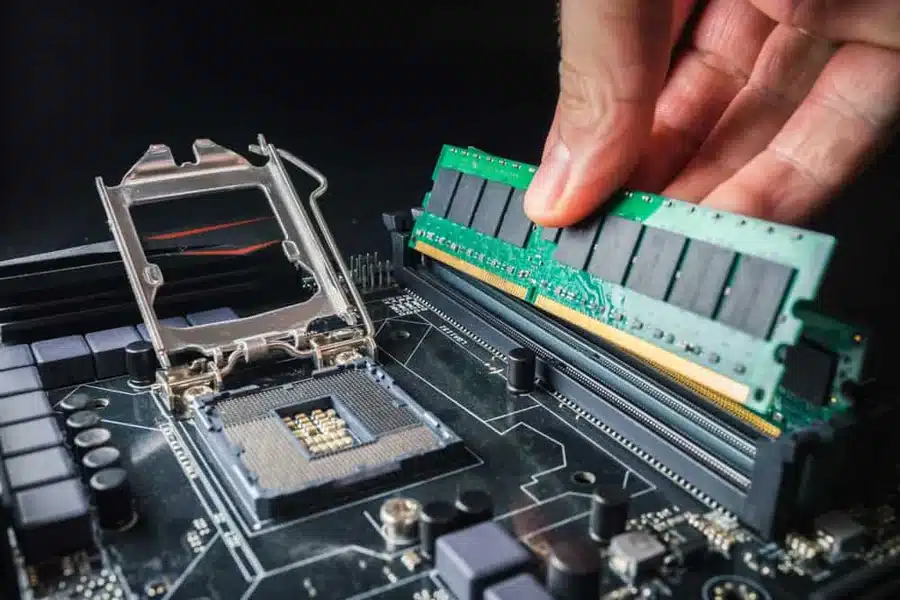
Old RAM is easy to overlook because it is small, durable, and often tucked away after a system upgrade. But used memory can still hold resale value, especially when the modules are identified correctly, tested, and routed through the right channel.
At the same time, memory that no longer makes sense for reuse should be handled through a responsible resale or recycling process rather than left sitting in storage indefinitely.
This guide explains how to assess old RAM, what affects its value, where to sell it, and how to prepare it so the process stays organized and efficient.
What to Do with Old RAM: Value Assessment
Before deciding whether to sell, bundle, or recycle old RAM, start by figuring out exactly what you have. Memory value depends heavily on the details. A module’s generation, capacity, form factor, ECC status, and brand can all affect whether it is attractive to a buyer or better suited to bulk recovery.
Identifying Your RAM Specifications
The first step is to identify the basic specifications accurately. Capacity, speed, generation, and form factor all matter because buyers need to know whether a module fits their system.
The most useful habit is to record the exact part number and physical type before listing the memory or requesting a quote. That makes compatibility clearer and reduces pricing disputes later.
Determining Resale Versus Scrap Value
Working RAM is usually worth more than scrap, but the difference depends on what kind of module you have and whether demand still exists for it. Larger-capacity server and workstation modules usually hold value better than very small or outdated consumer sticks.
Used memory pricing can also shift quickly with broader market conditions, which is one reason narrow static price tables do not hold up well for long. Recent market coverage has highlighted unusually sharp DRAM price volatility through late 2025 and 2026, especially across DDR4 and DDR5.
Calculating Likely Returns
Returns are affected by three main things: how desirable the module is, how much testing and preparation it needs, and how you choose to sell it. Individual direct sales can sometimes bring a higher per-module return, but they also take more time.
Bulk sales are often easier for organizations retiring memory from server upgrades or refresh projects, even if the pricing model works differently.
For that reason, a value-audit approach is usually more credible than fixed pricing examples. Big Data Supply is buying used server and computer RAM in bulk and describes free value audits, chain-of-custody tracking, secure data erasure, and resale or recycling support as part of the same process.
Best Places to Sell Used Memory
The best place to sell RAM depends on quantity, urgency, and whether you care more about maximum price or a smoother process.
Online Marketplaces for Direct Sales
General marketplaces can work well for small quantities, especially when you have clearly identified modules, good photos, and test results. The tradeoff is time. Direct sales usually require more effort in listing, packing, communication, and dispute handling.
RAM Recycling and Buyback Programs
For larger quantities or enterprise inventory, buk involved in individual sales and make it easier to handle mixed lots, documentation, andyback programs are often more practical. A structured program can reduce the wor final disposition.
Big Data Supply’s RAM page specifically positions its service around bulk memory buyback, secure erasure, and recycling or resale support, which makes it more relevant to enterprise lots than a general consumer marketplace.
Specialized Scrap and Recycling Channels
If the modules are damaged, obsolete, or no longer practical to resell, responsible recycling may be the better option. That matters because global e-waste is still rising quickly. The Global E-waste Monitor 2024 reports that the world generated 62 million tonnes of e-waste in 2022 and is on track to reach 82 million tonnes by 2030, while only 22.3% of 2022 e-waste was documented as formally collected and recycled in an environmentally sound way.
Selling in Bulk Versus Individual Modules
Bulk sales usually make more sense for IT teams, refurbishers, and organizations retiring memory from multiple systems at once. Individual listings can sometimes raise the per-unit return, but they add testing, packaging, and transaction overhead. For bulk lots, a structured buyback channel is often the cleaner option.
Preparing RAM to Maximize Sale Price
Preparation affects trust, and trust affects price. Buyers pay more when memory is identified clearly, appears well handled, and includes enough detail to reduce uncertainty.
Physical Inspection and Cleaning
Inspect the modules for contact wear, residue, corrosion, broken heat spreaders, or label damage. Clean presentation matters because it signals that the modules were handled carefully. Light cleaning can help, but it should be done conservatively and without risking the contacts or labels.
Functionality Testing Requirements
Testing is one of the strongest ways to support pricing. The main point is to confirm that the RAM is recognized, stable, and free of obvious errors before selling it as working memory. If it is not tested, it should be priced and described accordingly.
Documentation and Part Numbers
Part numbers are especially important because they make compatibility easier for buyers to verify. A clear photo of the label often adds more value than a long description. If the part number is missing or unreadable, the module becomes harder to price and harder to trust.
Proper Handling and Anti-Static Protection
Memory should be handled by the edges and stored in anti-static packaging where possible. This is not only good transport practice. It also helps protect value during the sale process. A module that arrives damaged because it was packed carelessly is no longer a strong resale candidate.
Conclusion
Old RAM can still have value, but getting a better return depends on accuracy, preparation, and choosing the right sales channel. The most important steps are identifying the module correctly, deciding whether it makes more sense for resale or recycling, and presenting it in a way that reduces buyer uncertainty.
For larger lots and enterprise memory in particular, a structured buyback process is often easier than piecing together individual sales. Responsible recycling also matters when resale no longer makes sense, especially as e-waste volumes continue to rise worldwide.