
The Rise of Laser Aesthetics: What Clinicians and Clients Need to Know About Eye Safety
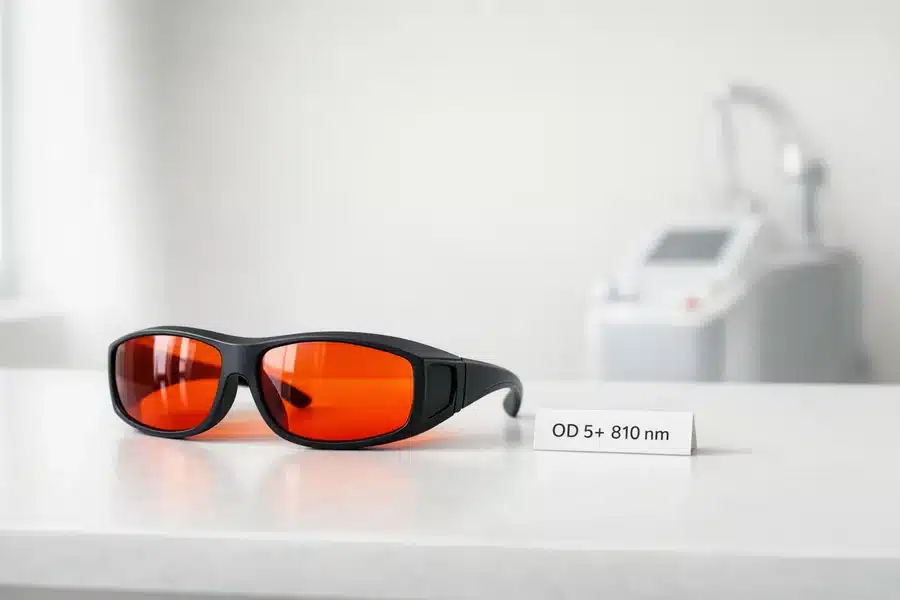
The rapid growth of laser-based aesthetic treatments has brought new challenges in ensuring eye safety for both clinicians and clients. Misconceptions about protective eyewear can lead to serious, sometimes permanent, eye injury in clinical settings. Understanding the fundamentals of laser eye protection is essential for safe and effective practice wherever lasers or intense pulsed light (IPL) devices are used.
Laser treatments for hair removal, skin rejuvenation, tattoo fading, and pigmentation correction are now common in clinics, dermatology offices, and medical spas, where laser aesthetic safety depends on more than routine precautions. These procedures utilize powerful devices that emit energy at precise wavelengths, raising unique safety considerations not addressed by everyday sunglasses or generic goggles.
Why specialized eyewear is essential in laser clinics
Selecting laser safety glasses is a critical step in protecting both practitioners and clients. Neither lens darkness nor ordinary impact resistance ensures true laser treatment eye protection; only eyewear rated for specific wavelengths and optical density (OD) provides verifiable defense against the risks posed by clinical lasers. As demand rises and laser technology advances, settings must formalize IPL eye protection alongside device training to protect everyone in the treatment room.
Ordinary tinted lenses may reduce glare or block UV, but clinical lasers and IPL devices emit energy at intensities and wavelengths far beyond those addressed by standard eyewear. The light from medical lasers can be invisible, such as infrared beams used in hair removal and skin treatments, yet still powerful enough to cause irreversible damage from even brief exposure. This makes proper laser eye protection a non-negotiable aspect of safety protocols in treatment rooms and a core element of laser aesthetic safety.
Specialized safety eyewear is manufactured and tested to meet strict criteria. Each lens is labeled with optical density values and wavelength coverage, ensuring suitability for specific devices and procedures, and clinics should standardize laser safety eyewear across rooms with clear labeling. Clinics cannot rely on general goggles or sunglasses, since they are not certified to block the precise laser emissions used in modern aesthetic equipment. Awareness of these limitations helps both clinicians and patients avoid accidental injuries, which may result from using non-specialized eye protection and skipping appropriate IPL eye protection checks.
Understanding optical density ratings and wavelength coverage
Optical density (OD) ratings are critical for evaluating the effectiveness of laser safety eyewear. Each device emits light at certain wavelengths, and OD values indicate how much energy is blocked at those specific points. For instance, an OD of 5 at 810 nm means the eyewear reduces the transmitted energy by 100,000-fold at that wavelength, providing a substantial barrier against common laser types used in hair removal or pigment treatments. In practice, many clinics adopt OD rated eyewear to document that the assigned protection matches the device’s output.
Sunglasses often fail to provide true laser eye protection because their ratings do not address the high-powered, narrow-band emissions of aesthetic lasers. Instead, clinics must match eyewear to the devices in use, checking OD ratings and certified wavelength coverage before every treatment, since this is central to consistent laser treatment eye protection. Reliable manufacturers provide clear documentation so clinicians can confidently select, verify, and monitor the right eye protection for each procedure. Both over-protection and under-protection have drawbacks: excessive OD may hinder visibility for practitioners, while insufficient OD leaves users vulnerable to injury, which is why OD rated eyewear should be chosen to balance protection with task visibility.
Practical steps clinicians and clients should take
Clinics should adopt strict protocols to ensure all eyewear is labeled, stored properly, and only used for compatible devices. Cross-matching the eyewear’s OD and wavelength ratings with the specific laser or IPL system in use is a daily responsibility that cannot be overlooked, and it should be documented as part of laser aesthetic safety compliance. In busy, multi-room environments, eyewear may be mixed or labels ignored, increasing risk for accidental exposures. Label checks and quick reference to manufacturer documentation are vital steps before starting any procedure, especially when multiple sets of laser safety eyewear are rotated between staff.
Clients should also take an active role in their own safety by asking clinicians about the protective eyewear provided and confirming that it is appropriate for the treatment performed, since this supports consistent laser treatment eye protection. Comfort and proper fit are just as important, glasses should shield the entire eye area and remain secure throughout the session. Ultimately, safeguarding vision relies on a partnership: clinicians committed to best practices and clients who stay informed about the precautions taken on their behalf, including confirmed laser eye protection at every visit. As the popularity of laser aesthetics continues to rise, diligent implementation of these eye safety measures will remain paramount, with OD rated eyewear and clear procedures supporting repeatable outcomes.