
What to Know About Boat Flare Tools & Guns
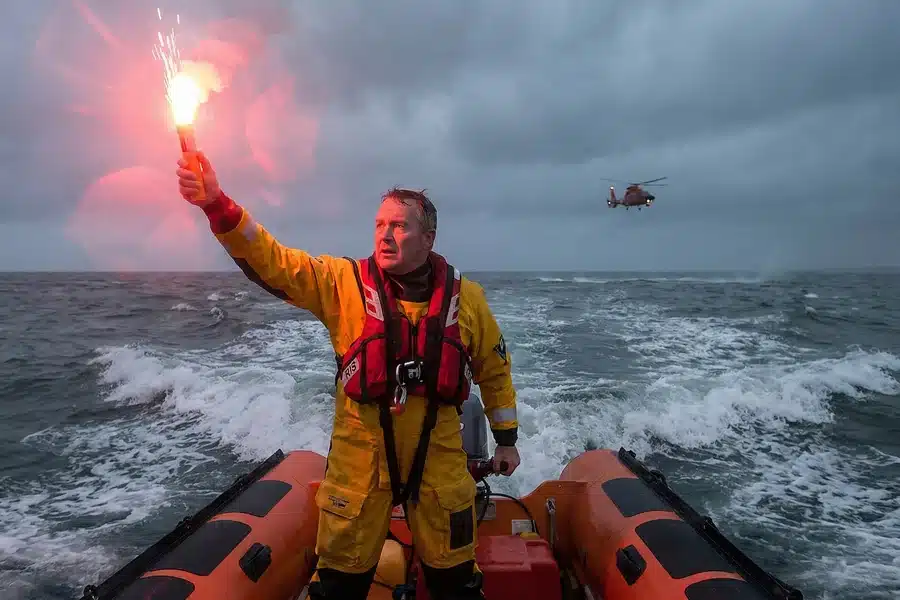
Anyone who takes a boat past the shoreline needs a trusted way to call for help when things go wrong. Flare tools and flare guns have stood the test of time as reliable emergency signaling gear, cutting through darkness, haze, and distance to reach rescuers. This guide walks through what boaters should know about flare equipment, including the main types, legal rules, and sensible habits for using them safely on the water.
Why Flare Equipment Matters on the Water
Trouble at sea tends to arrive without warning. A dead engine, a fast-moving squall, or an onboard injury can strand a vessel far from shore in minutes. Flares punch through fog, night sky, and rough weather when radios lose their signal or phones run out of charge. Their bright burn pulls rescuers in fast, which often shapes the outcome of a distress call. Dependable signaling gear belongs in every safety kit. The best boat flare gun options strike a balance between ease of use, sturdy build, and the height each round can reach, so the signal climbs high enough to catch someone’s eye.
Types of Marine Flares and Signaling Tools
Each emergency scenario calls for a slightly different signal. Boaters benefit from knowing what each device does before casting off. Picking the right combination can make all the difference when help is still miles away.
Handheld Flares
These burn with a steady red flame, giving off enough light to signal rescuers at close range during night hours. Their small size makes them easy to store in a locker or grab bag. Most boaters keep a handful onboard since they activate within seconds. A quick pull of the cap, and the flame is ready to mark a vessel’s position.
Aerial Flares and Flare Guns
Aerial rounds shoot skyward and burst into a bright flame that travels far across the horizon. A solid launcher lets boaters reach passing ships or shore-based rescue crews from a long way out. A trusted launcher has to fire cleanly when minutes count.
Smoke Signals
Midday emergencies need something that pops against bright sunlight. Orange smoke canisters put out thick clouds that planes and distant boats can track from a long way off. They work best when winds stay light, letting the smoke hang in the air. Carrying both smoke and aerial options gives boaters a signal for every hour of the day.
Legal Requirements and Expiration Rules
Coast guard agencies in most regions require certain boats to carry visual distress signals onboard. Rules usually spell out the minimum count, type, and in-date status of flares a vessel must hold. Old flares may misfire or fail entirely, putting everyone on deck at risk. A quick check of expiration dates each season, followed by prompt replacement, keeps boaters on the right side of the law and genuinely ready for trouble.
Safe Handling and Storage Practices
Flares carry pyrotechnic charges, so careful handling is a must. Store them in a dry, cool place inside a waterproof case that anyone aboard can reach quickly. Heat from the engine bay, direct sunlight, and damp bilge space all wear down their reliability. A clearly labeled storage box helps any passenger find the gear fast during a panic-filled moment at sea.
How to Use a Flare Gun Correctly
Figuring out a flare gun before a crisis hits counts for more than people expect. Fear scrambles decision-making, which is why hands-on practice pays off later.
Aim and Positioning
Point the barrel straight up or angle it slightly with the wind at one’s back. This keeps hot sparks away from the deck and passengers. Stand braced on a steady footing, boots flat. Everyone else should stay behind the shooter, and the barrel should never swing toward crew, fuel lines, or anything that could catch fire.
Firing Technique
Grip the handle firmly and pull the trigger with a smooth squeeze rather than a hard yank. A clean squeeze keeps the aim true and the round flying straight. Wait for the flare to burn out fully before touching it or reloading. Spent casings stay hot well after firing, so gloves or a thick rag help avoid burns.
Disposing of Expired Flares
Old flares should never go in household garbage or over the side of the boat. Coast guard stations, fire departments, and marine supply shops often accept expired rounds for safe handling. Some coastal towns run yearly collection days where boaters can drop off outdated gear. Proper disposal keeps the coastline clean and prevents dangerous chemicals from ending up in the wrong place.
Conclusion
Flare tools and guns still rank among the most valuable pieces of safety gear a boater can own. Knowing which ones to pack, how to keep them in good shape, and how to fire them under pressure builds real confidence on the water. Yearly inspections, timely replacements, and a bit of practice with the launcher make sure this gear does its job when lives depend on it. A prepared boater is a safer one every trip out.