
Why Do Accurate Dimensions Matter in LTL Freight Shipping?
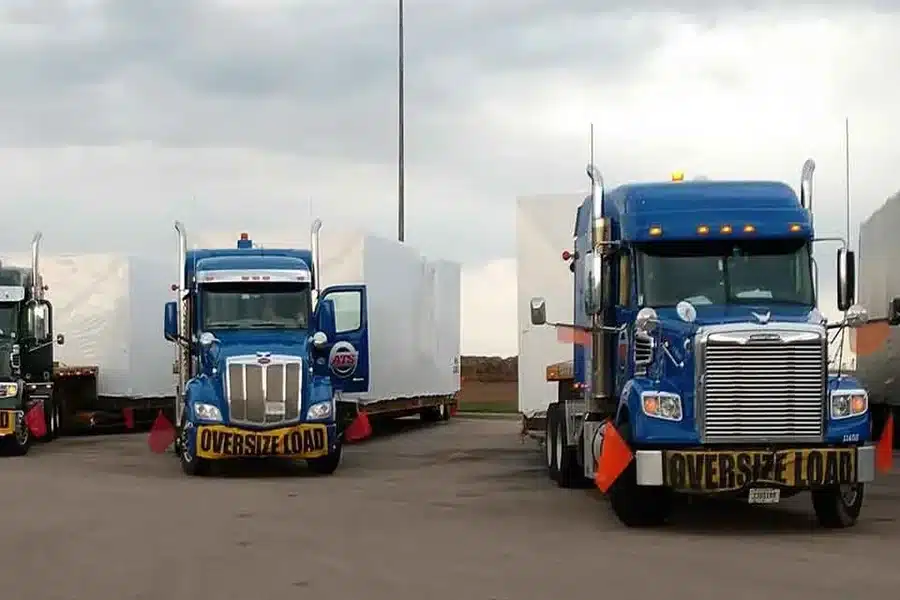
Accurate dimensions are one of the most important details in LTL freight shipping because carriers use them to plan space, price shipments, and move freight safely through shared networks. Unlike full-truckload shipping, LTL freight travels with shipments from other businesses, so every pallet, crate, or package must fit within a limited trailer space. Even a small mistake in length, width, or height can affect the quoted rate, carrier handling, delivery timing, and final invoice. Measuring freight correctly helps businesses avoid avoidable charges, delays, and confusion once the shipment enters the carrier system.
How Measurements Affect Shipping
Dimensions Help Carriers Price Freight Correctly
LTL freight pricing depends on more than weight alone. Carriers also look at how much space the shipment occupies inside the trailer. A light but large pallet may take up more space than a heavier, compact shipment, so the carrier must charge based on space used, not just weight. This is why accurate length, width, and height are so important when requesting a quote. If a business enters smaller dimensions than the actual freight size, the carrier may remeasure the shipment and adjust the invoice later. These adjustments can increase costs and create accounting problems. Companies using Canada LTL Shipping need correct measurements so carriers can calculate rates, plan routes, and assign trailer space more accurately. Reliable dimensional details also help businesses compare quotes fairly, since each carrier is pricing the same shipment.
Wrong Measurements Can Lead to Reclassification
Freight class and density often depend on the relationship between weight and dimensions. When measurements are wrong, the shipment may be assigned the wrong class, which can change the rate after pickup. For example, a shipment may appear dense and compact on the original quote, but upon inspection, the carrier may find it occupies more space than the quote indicates. This can lead to reclassification, correction fees, or invoice disputes. These problems are frustrating because they usually arise after the freight has already moved, leaving the business with fewer options to control costs. Accurate dimensions reduce this risk by giving carriers a realistic view of the shipment from the beginning. Measuring should include the full outside size after packaging, not just the product itself. Pallet edges, overhang, wrapping, crates, padding, and stacked cartons all count because they affect the space the shipment occupies.
Accurate Dimensions Support Better Trailer Planning
LTL carriers combine many shipments in one trailer, so space planning must be precise. If one shipment is larger than expected, it can affect how other freight is loaded around it. A pallet that is too tall may not allow stacking on top of it. A crate wider than reported may block the planned trailer space. A shipment with overhanging cartons may need extra clearance to avoid damage. These issues can slow loading, force route changes, or require freight to be moved through a different terminal plan. Accurate dimensions help carriers determine where freight should be positioned inside the trailer and how it should be handled during transfers. This matters because LTL freight often moves through several loading points before delivery. Clear measurements help reduce unnecessary shifting, rework, and handling mistakes. Better planning also protects the shipment because freight that fits the planned space is less likely to be squeezed, tilted, or repositioned repeatedly.
Good Measurements Reduce Delays and Disputes
Accurate dimensions help businesses avoid delays at pickup, terminal inspection, and delivery. When the carrier arrives and finds freight larger than expected, the driver may need to confirm whether there is enough trailer space. In some cases, pickup may be delayed because the shipment does not match the order details. At the terminal, freight may be measured again, and any difference can trigger billing changes. These corrections can slow paperwork and create back-and-forth communication between the shipper, broker, carrier, and customer. Correct dimensions also reduce disputes because the shipment record is clearer from the start. Businesses should train warehouse teams to measure after freight has been packed and is ready to ship. The final measurement should include the highest, widest, and longest points of the complete shipping unit. This simple habit can improve quote accuracy, reduce surprise charges, and make freight movement easier to manage.
Accurate dimensions matter in LTL freight shipping because they affect pricing, freight class, trailer planning, pickup reliability, and invoice accuracy. Since LTL shipments share trailer space with other freight, carriers need clear size details to plan movement properly. Incorrect measurements can lead to reclassification, additional fees, loading issues, and service delays. Businesses can avoid many of these issues by measuring the fully packaged shipment, including pallets, wrap, crates, padding, and overhang. A careful measuring process gives carriers better information, helps control costs, and supports smoother shipping from pickup to final delivery.