
Why Some Backyard Decks Get Used Every Day While Others Sit Empty
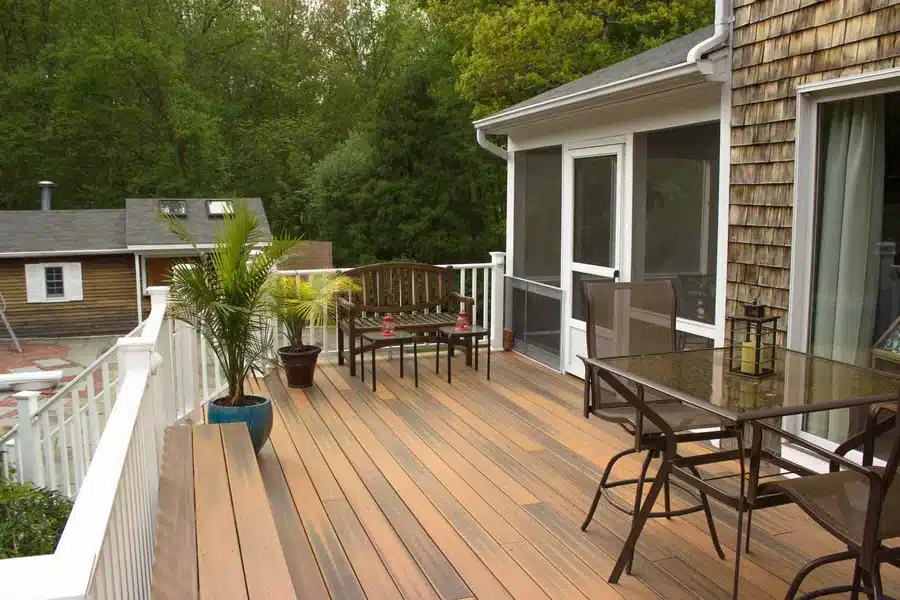
A surprising number of outdoor decks look impressive for the first few weeks after installation and then slowly become decorative space instead of living space. The furniture stays untouched, the grill cover rarely comes off, and the area that once felt exciting quietly turns into something homeowners walk past instead of enjoying.
In many cases, the problem is not the craftsmanship or even the budget. The issue starts much earlier, during the planning stage, when homeowners focus heavily on appearance but overlook how people actually move through and use outdoor environments every day.
That is why experienced professionals, including many homeowners who work with a trusted Columbus deck builder, often spend more time discussing lifestyle habits than railing styles or board colors during early consultations.
The decks that become part of daily life usually share a few important characteristics. They feel connected to the home, easy to access, comfortable at different times of day, and flexible enough to support more than one purpose. The unused ones often fail in one or more of those areas.
This is where experienced deck builders can make the biggest difference, since they help homeowners think through daily use before construction even begins rather than after the space is already built.
The Most Important Question Isn’t “How Big Should the Deck Be?”
Homeowners often begin planning by thinking about square footage. Bigger sounds better, especially when browsing inspiration photos online. But size alone rarely determines whether a deck becomes functional.
What matters more is how the space supports natural movement and real routines.
A large deck attached to the back of the house may still feel disconnected if it requires awkward transitions from the kitchen, poor stair placement, or furniture arrangements that interrupt walking paths. On the other hand, a smaller, thoughtfully planned layout can feel effortless and welcoming every single day.
One common mistake is treating the deck like an isolated feature rather than an extension of the home itself. The best outdoor spaces feel like another room, not a separate zone that requires effort to use.
That is especially true for families who entertain casually. If carrying food outside feels inconvenient or guests naturally cluster indoors because the deck feels detached, usage drops quickly over time.
Shade Changes Everything
A deck that looks beautiful at 10 a.m. in spring can become nearly unusable during peak summer heat.
Sun exposure is one of the most overlooked elements in outdoor design planning. Homeowners often prioritize views, railings, and material colors without considering how direct sunlight affects comfort across different seasons and times of day.
Even expensive outdoor furniture cannot compensate for poor shade planning.
Pergolas, partial coverings, strategic tree placement, and orientation adjustments can dramatically improve how often the space gets used. In some cases, moving a seating area only a few feet can create a noticeably more comfortable environment during afternoon hours.
This is also where material selection matters more than many people realize. Some composite surfaces retain more heat in direct sunlight, while certain color choices can intensify temperature discomfort during summer months.
Good deck design is not only visual. It is environmental.
Privacy Is Often More Valuable Than Extra Space
Many homeowners initially prioritize openness because it photographs well. But after installation, they realize that constant visibility from neighboring homes changes how comfortable the space feels.
Privacy affects behavior.
People relax differently when they feel shielded from surrounding sightlines. That does not necessarily require tall barriers or closed-off structures. Sometimes layered landscaping, angled seating areas, decorative screens, or subtle elevation changes create enough separation to make the deck feel calmer and more usable.
The psychological effect is significant. Spaces that feel private tend to encourage longer use, more frequent gatherings, and more spontaneous everyday enjoyment.
Without privacy, decks can unintentionally become display areas instead of living areas.
Outdoor Spaces Work Better When They Have More Than One Purpose
Some of the least-used decks are designed around a single activity.
A deck built only for large gatherings may sit empty most weekdays. Likewise, a space designed only for dining may feel limited once the meal is finished.
Versatility matters more than homeowners often expect.
The most successful outdoor layouts support multiple forms of use without feeling crowded. A quiet morning coffee setup, casual evening seating, flexible entertaining space, and practical grilling zone can coexist when traffic flow and proportions are carefully considered.
This does not necessarily require a massive footprint. It requires intentional zoning.
Even subtle transitions between areas can make the deck feel more natural and intuitive to use. Built-in benches, lighting changes, planter placement, and furniture orientation all help define purpose without making the space feel rigid.
Maintenance Impacts Long-Term Enjoyment More Than Homeowners Expect
A deck that demands constant upkeep slowly becomes mentally associated with chores rather than relaxation.
That is one reason many homeowners eventually move toward lower-maintenance materials and siding combinations that reduce ongoing exterior work. Durability and ease of care are lifestyle decisions as much as financial ones.
When homeowners know they will not spend every season sanding, staining, or repairing weather damage, they tend to use the space more consistently and confidently.
The same principle applies to adjacent exterior upgrades. Decks paired with updated siding often feel more cohesive visually and require less ongoing attention overall. Materials like LP SmartSide and James Hardie siding have become increasingly popular partly because homeowners want exterior spaces that maintain their appearance without constant intervention.
The goal is not perfection. It is sustainability over time.
Why Emotional Design Usually Outperforms Trend-Based Design
Trends move quickly in outdoor living. One year, it is minimalist black railings. The next year, it is oversized entertainment layouts or ultra-modern finishes.
But the deck homeowners continue loving years later are usually not the trendiest ones. They are the spaces that support how people actually live.
That may mean preserving room for children to move around freely. It may mean creating a quieter place to decompress after work. It may mean prioritizing comfort over visual complexity.
The emotional experience matters more than homeowners initially expect.
A deck succeeds when it naturally becomes part of daily life without requiring special occasions to justify its existence.
That is why the planning stage deserves more attention than many people give it. Materials and aesthetics matter, but function, comfort, privacy, and usability determine whether the investment truly changes how a home feels.
Thoughtful outdoor design is ultimately less about construction and more about behavior.
And the decks that stay active year after year are usually the ones designed around real life first.
For homeowners exploring long-term outdoor upgrades, companies like US Quality of Columbus reflect the growing focus on combining durable exterior materials with lifestyle-oriented design decisions rather than purely cosmetic improvements.