
Behind the Backpack: Understanding Bullying in Today’s Schools
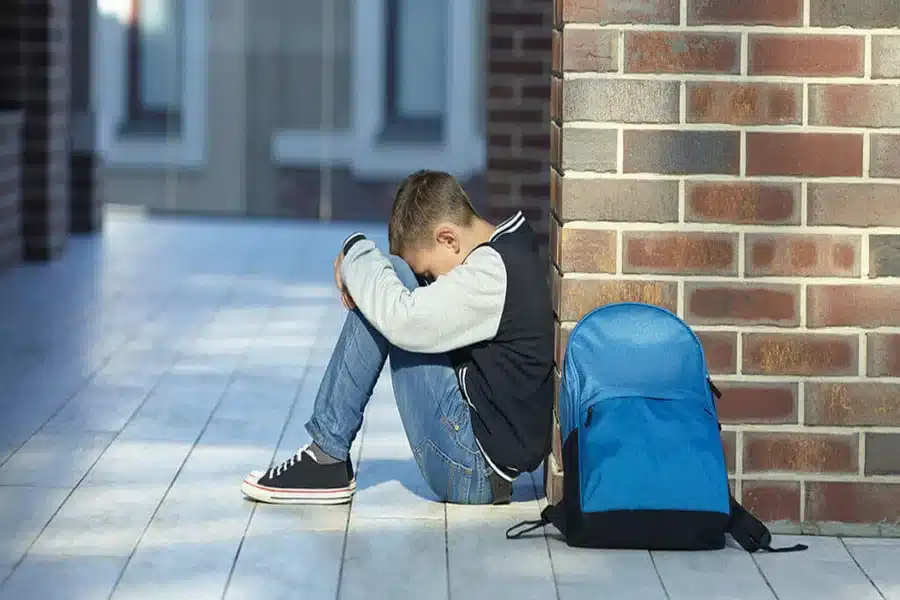
Bullying has changed shape over the years, but its impact on students remains deeply personal and often long-lasting. Behind every backpack carried into a classroom, there may be a story that is not immediately visible—stories of fear, isolation, anxiety, or silent endurance. Understanding bullying today requires looking beyond the obvious playground conflicts and recognizing the subtle, evolving ways it appears in modern schools.
The Changing Face of Bullying
Bullying is no longer limited to face-to-face confrontations in hallways or playgrounds. While physical and verbal bullying still exist, digital platforms have added a new layer. Cyberbullying through messaging apps, social media, and online games allows harmful behavior to continue even after school hours. This makes it harder for students to escape the pressure or find relief.
Unlike traditional bullying, digital harassment can feel constant. A single post, comment, or message can spread quickly, reaching large audiences in minutes. This amplifies embarrassment and emotional distress, often making victims feel powerless.
The Emotional Weight Students Carry
Students who experience bullying often carry emotional burdens that affect multiple areas of their lives. Anxiety is one of the most common effects. A student may begin to fear going to school, worry excessively about peer judgment, or struggle with concentration in class. Over time, this stress can impact academic performance and self-esteem.
Some students withdraw socially, avoiding group activities or isolating themselves during breaks. Others may try to mask their experiences, appearing “fine” while dealing with internal struggles. These hidden reactions are why bullying is often underestimated or overlooked by adults.
Recognizing the Signs
Parents, teachers, and peers play a critical role in identifying bullying. While not always obvious, there are signs that may indicate a student is struggling:
- Sudden changes in behavior or mood
- Unexplained headaches or stomachaches
- Decline in academic performance
- Loss of interest in school or extracurricular activities
- Avoidance of certain routes, classes, or peers
- Increased anxiety or irritability
Recognizing these signs early can make a significant difference in providing timely support.
Why Bullying Happens
Bullying often stems from a mix of social dynamics, insecurity, and learned behavior. Some students may bully others to gain social status, while others may be repeating behaviors they have experienced themselves. School environments that lack clear boundaries or supervision can unintentionally allow bullying to continue unchecked.
It is also important to recognize that bullying is not always about the target’s behavior or appearance. More often, it reflects the bully’s need for control or acceptance within their peer group.
The Role of Schools and Communities
Schools are on the front line of addressing bullying. Clear policies, consistent enforcement, and a culture of respect are essential. However, policies alone are not enough. Schools must also foster environments where students feel safe reporting incidents without fear of retaliation.
Teachers can integrate open discussions about empathy, kindness, and digital responsibility into everyday learning. Peer support programs and counseling services also provide students with safe spaces to express concerns.
In some cases, alternative learning environments such as k12 online school in Utah can provide students with a more flexible and emotionally safe educational experience, especially for those who struggle in traditional school settings.
Supporting Students Through Recovery
Healing from bullying takes time. Emotional support from trusted adults is crucial. Encouraging open communication helps students feel heard and validated. Counseling or therapy may also help students rebuild confidence and develop coping strategies.
Parents can support recovery by maintaining a stable home environment and reinforcing positive self-worth. Small steps, like encouraging hobbies or social interactions outside of school, can also help restore a sense of normalcy.
Building a Kinder Future
Preventing bullying is not the responsibility of one group alone. It requires collaboration between schools, families, and students themselves. Teaching empathy from an early age, encouraging inclusion, and addressing harmful behavior immediately can gradually shift school culture.
Every student deserves to feel safe when they put on their backpack each morning. When schools prioritize emotional well-being alongside academics, they create environments where students can truly thrive—not just survive.
Bullying may be a difficult issue, but with awareness, action, and compassion, it is one that can be significantly reduced.