
Revitalize Your Soil: The Foundational Secret to Vibrant Blooms and Lush Foliage
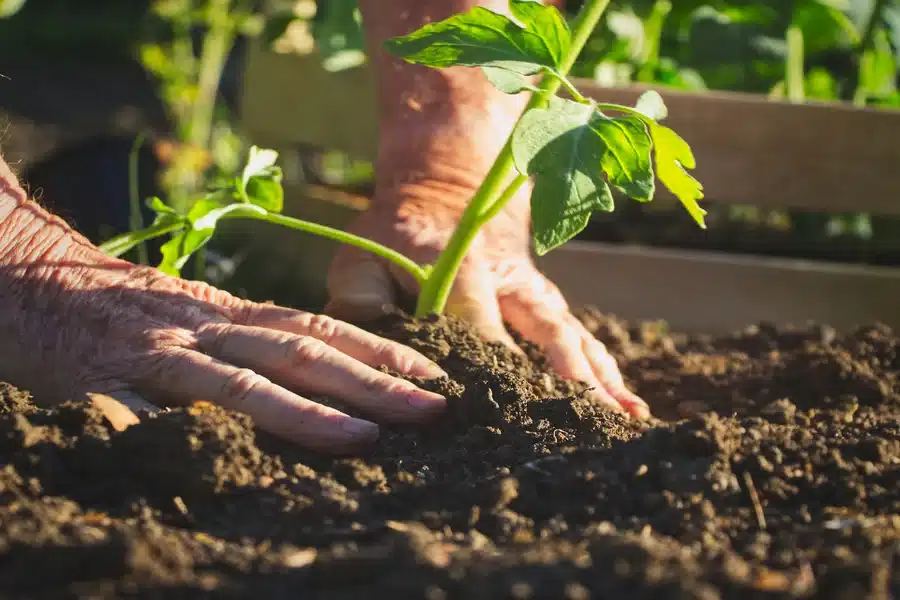
The pursuit of a magnificent garden often focuses on finding the perfect plants, choosing the right location, and diligent watering. Yet, the true secret to success lies beneath the surface. Soil is not merely an anchor for roots; it is a complex, living ecosystem that dictates a plant’s ability to access essential nutrients, moisture, and air. Ignoring the quality of this primary resource results in weak, stressed plants susceptible to disease and pests. A robust garden begins with a commitment to creating an optimal growing environment, making soil health the most fundamental component of successful horticulture. When we feed the soil, we are essentially feeding everything that grows within it.
Understanding Soil Composition
Soil is a dynamic mixture of mineral particles, organic matter, water, and air. The mineral base consists of sand, silt, and clay, and the proportion of these three elements defines your soil’s texture. Sandy soils drain quickly and often lack nutrient retention. Clay soils hold water tightly, leading to compaction and poor aeration. The ideal texture, known as loam, offers a balanced structure that retains adequate moisture while allowing excess water to pass through.
Organic matter, derived from decaying plants and organisms, acts as the glue. It binds mineral particles together to form stable aggregates, which are crucial for structure, drainage, and biological activity. Improving the percentage of organic matter is the most reliable way to enhance almost any native soil type, as it creates the pore space necessary for roots to breathe and expand.
Diagnosing Your Garden’s Current Condition
Before undertaking any major improvements, it is essential to understand the soil’s baseline condition. Guessing what nutrients are lacking or what the pH level is can lead to unnecessary or even harmful amendments.
Testing for Clarity
A professional soil test provides a scientific blueprint of your garden’s health. These tests measure the levels of major macronutrients like nitrogen, phosphorus, and potassium, as well as essential micronutrients. Crucially, they also provide a precise pH reading. The results offer clear, actionable recommendations on what amendments to add and in what quantity. This targeted approach saves time and money, ensuring you only supply what the plants actually require for optimal growth. Without this data, a gardener is essentially working in the dark.
Reading the pH Scale
Soil pH, a measure of acidity or alkalinity, profoundly influences nutrient availability. Even if a nutrient is physically present, plants cannot absorb it if the pH is outside their preferred range. Most vegetables, flowers, and ornamental shrubs thrive in a slightly acidic to neutral range, typically between 6.0 and 7.0. If the test reveals highly acidic soil, dolomitic lime can be incorporated to raise the pH. Conversely, if the soil is too alkaline, elemental sulfur or carefully chosen organic materials can be used to lower the reading. Adjusting pH requires patience, as changes occur slowly over several seasons.
Strategies for Immediate Improvement
The quickest and most effective way to improve any soil is by dramatically increasing its organic content. This approach addresses nutrient deficiencies, structural problems, and moisture issues simultaneously.
Incorporating Organic Matter
Regularly integrating mature compost, aged animal manure, or leaf mold into the top several inches of the garden bed instantly creates a more hospitable environment. These materials introduce beneficial microorganisms and earthworms that contribute to a healthy soil food web, continually aerating and fertilizing the ground. For heavy clay, organic matter facilitates aggregation, making the soil looser and easier to work. In sandy soil, it functions like a sponge, increasing the ability to hold water and dissolved nutrients near the roots. When planning a new garden bed, defining the edges is crucial for containing amendments. After preparing the soil, consider placing a perimeter of bagged landscape rocks from Bountiful to clearly separate the planting area from surrounding turf.
The Value of Cover Crops
For areas that lie fallow during the off-season, planting cover crops, often called green manures, is an excellent strategy. Crops such as clover, hairy vetch, or buckwheat prevent erosion caused by rain and wind. Leguminous cover crops, in particular, possess the remarkable ability to fix atmospheric nitrogen directly into the soil. When these crops are cut down and tilled in before planting the next season, they release a substantial boost of organic matter and natural fertilizer, significantly enhancing the soil’s vitality without synthetic inputs.
Long-Term Maintenance and Sustainability
Maintaining soil health is an ongoing cycle, not a one-time event. Sustainable practices minimize disruption while providing continuous nourishment.
Optimizing Mulching Practices
A layer of organic mulch, such as shredded wood chips, straw, or finely ground bark, applied around plants provides multiple benefits. It acts as a blanket, moderating soil temperature fluctuations throughout the day and year. Mulch also conserves water by reducing evaporation from the soil surface. As the material slowly decomposes, it releases small amounts of nutrients, creating a continuous, slow-feed process that supports the microbial community and improves the underlying soil structure over time.
Minimizing Soil Disturbance
Adopting a no-till or reduced-tillage approach protects the intricate network of fungi and microbes that form the soil structure. Excessive digging, turning, or rototilling destroys the stable aggregates created by organic matter and disrupts the beneficial microbial balance. By minimizing this disturbance, gardeners allow the soil’s natural processes to take over, leading to improved water infiltration, less compaction, and ultimately, stronger, more resilient plant life with deep, healthy roots.
Soil revitalization is a gradual and rewarding journey. By prioritizing the health of the ground beneath your plants, you are building a stable, nutrient-rich foundation that guarantees long-lasting beauty and vigor in your landscape. Through consistent observation and care, you will find that the soil responds with abundance.