
How to Choose Outdoor Furniture That Holds Up Without Constant Maintenance
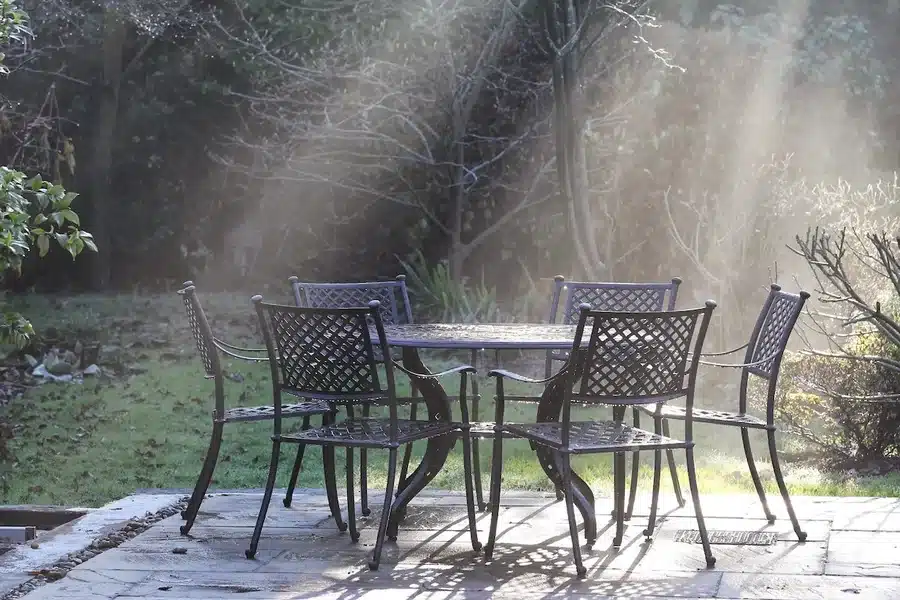
Rain, sun, humidity, and extreme temperature fluctuations significantly affect outdoor furniture. If the materials aren’t up to the job, a set that looks great in the store can fade, crack, or rust before the first season ends. Making a smart choice up front saves countless hours of scrubbing, repainting, and replacing pieces that gave out too soon. This guide walks through what actually matters so patios, decks, and poolside setups stay both functional and good-looking with very little hands-on care.
Why Material Selection Matters Most
What a piece is built from, frame to fabric, determines whether it lasts two years or twenty. Aluminum frames shrug off corrosion in ways untreated steel simply cannot. High-density polyethylene wicker keeps its shape through intense heat that would leave natural rattan warped and brittle. Marine-grade stainless steel hardware eliminates those orange rust trails that ruin cushions and stain concrete.
People searching for stylish Miami outdoor furniture for outdoor spaces tend to focus on how a set looks, which makes sense. But longevity comes down to what’s underneath that attractive finish. Powder-coated surfaces, UV-stabilized resin, and solution-dyed acrylic fabrics quietly add years of reliable service. Taking a minute to review material specs before handing over a credit card prevents a lot of frustration once storm season arrives.
Key Qualities to Evaluate Before Buying
Weather Resistance
Constant ultraviolet exposure degrades pigments and weakens plastic polymers over time. Pieces rated for UV protection hold their color and structural strength across multiple seasons. Teak is a wonderful example; it develops a silver patina naturally but remains solid for decades without any sealant. Synthetic alternatives like polywood deliver comparable toughness with no wood grain to splinter or split.
Structural Stability
Wind, daily use, and uneven ground test every joint and weld in a frame. Reinforced corners, thick-gauge tubing, and bolted connections hold up far better than glued or snap-fit assemblies. Stackable chairs should lock together firmly so a strong gust can’t send them tumbling across the yard.
Fabric and Cushion Durability
Outdoor cushions tend to trap moisture, which quickly leads to the growth of mold and mildew. Quick-dry foam cores paired with breathable mesh covers handle that issue well. Solution-dyed acrylics resist fading and repel water on their own, no chemical spray needed. Removable, machine-washable covers turn seasonal cleaning into a five-minute task rather than an entire afternoon project.
Low-Maintenance Materials Worth Considering
Powder-Coated Aluminum
Lightweight and strong, aluminum frames finished with a powder coat resist chipping and oxidation reliably. A damp cloth takes care of most surface dirt. Unlike wrought iron, these pieces never require sanding or repainting.
All-Weather Wicker
Synthetic wicker captures the warmth of natural fibers without soaking up moisture. It flexes under body weight instead of cracking, and a quick rinse with a garden hose brings it back to life. Color choices run from classic brown tones to sleek modern charcoal and crisp white.
Recycled Plastic Lumber
Manufactured from post-consumer plastics, this material is entirely resistant to rot, splintering, and insect damage. It handles salt air and chlorinated pool splash with equal ease. Today’s versions come in realistic wood-grain textures that genuinely rival traditional lumber at first glance.
Common Mistakes That Lead to Early Replacement
Shopping on price alone tends to backfire quickly. Budget sets from big-box retailers often use thin steel that rusts at the slightest scratch. Overlooking weight ratings results in bent frames and voided warranties. Placing dark-coloured cushions in direct afternoon sun accelerates fading, even on treated fabric.
Skipping protective storage during harsh weather is another frequent misstep. Durable pieces can handle regular rain just fine, but extended exposure to hail or heavy snow significantly shortens their useful life. Simple fitted covers, kept close by for fast deployment, add years of use at a fraction of replacement cost.
Practical Tips for Long-Term Care
A small, consistent routine keeps outdoor furniture in solid shape season after season. Wiping surfaces down with mild soap and water once a month stops grime from building up. Tightening bolts at the beginning of each year catches wobbling before it stresses the joints. Storing cushions upright in a ventilated bin discourages mildew during the humid months.
Applying a fresh coat of teak oil or a UV-protectant spray once annually takes less than an hour for a full patio set. That minor time investment preserves both look and function far more effectively than scrambling to fix visible damage after the fact.
Conclusion
Buying outdoor furniture that lasts isn’t really about spending more; it’s about choosing with better information. The right combination of materials, solid construction, and a brief seasonal routine keeps a set looking sharp for years. Take time to evaluate frames, fabrics, and finishes before committing to any purchase. A thoughtfully chosen collection turns an outdoor area into a low-effort extension of the home, ready to enjoy every season without second-guessing the investment.