
Why U.S. Manufacturers Rely on Thermocouples for High-Heat Process Control
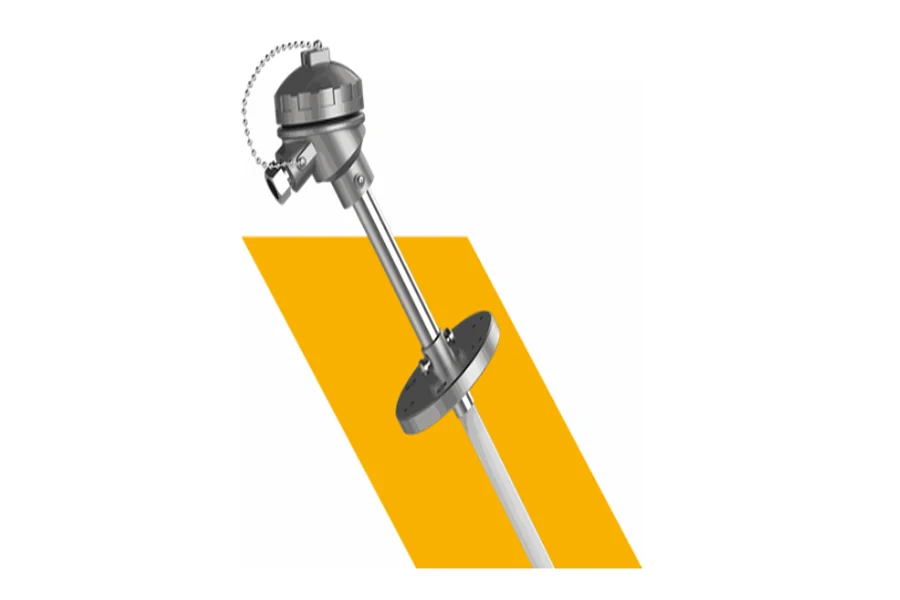
Choosing the right sensor setup matters just as much as the monitoring system around it. In manufacturing, heat is usually where the biggest operational risks show up first.
A furnace running hotter than expected damages product quality. A delayed temperature reading inside a refinery process creates safety concerns that nobody wants to deal with. In metal processing, even small fluctuations can affect structural consistency and lead to entire batches getting rejected down the line. And the pressure on U.S. manufacturers isn’t getting any lighter.
Facilities are being pushed to cut energy consumption while still keeping production speed up. Safety regulations keep tightening across industries. And automation systems now expect cleaner, more reliable temperature data than a lot of older plants were ever designed to provide.
Manufacturers need sensors that can survive genuinely harsh operating conditions without drifting or failing during long production cycles. That’s a big part of why the thermocouple still holds such a central role in high-heat process control across American industry.
What a Thermocouple Actually Does
At its core, a thermocouple measures temperature using two dissimilar metal wires joined at one end. When exposed to heat, those metals generate a small voltage signal that corresponds to temperature.
What makes it especially valuable in industrial settings is its ability to handle very high temperatures where other sensing technologies start to struggle or fail completely.
Most U.S. manufacturing environments are rough on equipment every single day. Continuous furnace exposure. Heavy vibration. Corrosive atmospheres. Rapid thermal cycling. Temperatures that most sensors aren’t built to handle.
A thermocouple keeps functioning in a lot of these environments while maintaining fast response times and dependable readings.
That matters more than people sometimes give it credit for. Especially in facilities where temperature instability can quickly turn into a production problem or a safety concern.
Why Manufacturers Keep Choosing Thermocouples
There are a few solid reasons thermocouples remain so heavily used across industrial sectors in the U.S.
High Temperature Capability
This is probably the biggest one.
Steel manufacturing, heat treatment, glass production, and power generation often operate at temperatures that go well beyond the practical range of many other sensor types. Certain thermocouple types are built specifically for extreme heat applications, making them well-suited for furnaces, kilns, turbines, and combustion systems.
Without stable readings in those environments, operators are basically making decisions with incomplete information. And that gets expensive fast.
Fast Response Time
In high-heat processing, conditions can shift quickly and without a lot of warning.
A thermocouple reacts fast when temperatures start shifting, and that speed matters more than most facilities expect during daily operations. If heat levels begin climbing too quickly inside a furnace or processing system, operators need to know before the problem gets worse and starts affecting equipment or product quality.
Faster readings give both plant teams and automated systems more time to respond instead of scrambling after temperatures have already crossed safe limits. That can help lower overheating risks, reduce wasted material during production runs, and keep operations running steadier across long shifts where even small temperature swings can create frustrating delays later.
Durability in Harsh Conditions
Industrial manufacturing environments are rarely clean or predictable. Sensors deal with vibration, dust, pressure, moisture, and chemical exposure all at the same time. Some facilities run equipment continuously for long stretches with very little downtime in between.
Modern thermocouple assemblies handle these conditions better than older designs did. Mineral-insulated versions, for example, are commonly used in demanding applications because they offer added mechanical strength and heat resistance that standard assemblies just don’t have.
Energy Efficiency Pressures Are Changing Equipment Decisions
Energy costs are a constant concern for manufacturers across the U.S.
Industrial operations account for a large share of total U.S. energy consumption, and facilities are under steady pressure to reduce waste without slowing output. Accurate temperature monitoring supports that effort in a pretty direct way.
When heat processes drift outside target ranges, systems burn more fuel or electricity than they need to. Poor readings push operators to overcompensate, which drives energy use up even further.
Reliable thermocouple monitoring helps facilities hold tighter thermal control, which supports more stable energy usage over time. It’s not a magic fix, obviously. But it gives operators better data to work with, and that’s where it starts.
The Safety Side Is Getting Harder to Ignore
Safety regulations are a growing factor in sensor decisions, whether facilities want to think about it or not.
High-heat systems carry higher operational risks by nature, especially in sectors dealing with combustible materials or pressurized systems.
A failed temperature sensor can create bigger problems than most facilities initially expect.
If overheating goes undetected inside critical equipment, the fallout can include equipment damage, full production shutdowns, worker safety risks, failed compliance inspections, and product quality failures all at once. That’s a bad day for everyone involved.
That’s why manufacturers are increasingly focused not just on sensor accuracy but on long-term reliability under actual operating conditions, not just ideal ones.
Final Words
High-heat manufacturing needs accurate, dependable temperature monitoring. Without it, maintaining safety, consistency, and energy control becomes harder than it needs to be.
That’s why the thermocouple still holds such an important place across U.S. manufacturing. It offers a practical balance of durability, responsiveness, and high-temperature capability that a lot of facilities genuinely can’t do without.
That’s why more facilities are taking a harder look at whether their current temperature monitoring systems are still reliable enough for the way modern plants operate now. Some are. Some honestly aren’t.
Tempsens supplies industrial thermocouple solutions made for high-temperature environments across industries like metals, power generation, petrochemicals, and process manufacturing. And that part matters because choosing the right sensor setup isn’t only about fixing today’s issue sitting on the maintenance report. Facilities need systems that can keep handling real operating conditions year after year without turning into another recurring problem for plant teams already stretched thin.