
Common Warning Signs That Indicate You Need a Furnace Repair Service Immediately
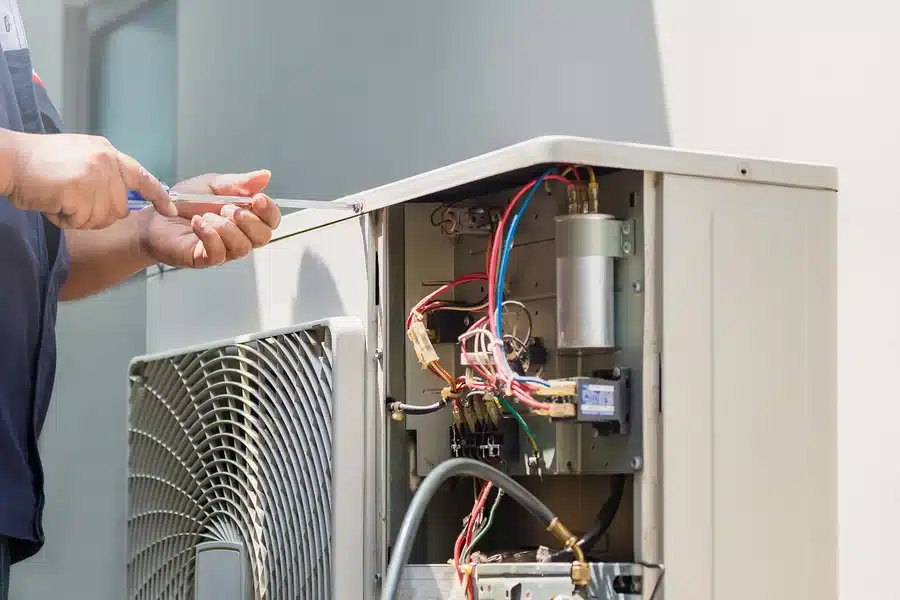
A furnace plays a central role in keeping a home comfortable, especially when temperatures drop, and consistent warmth becomes essential for daily living. When the system begins to malfunction, the effects are often felt quickly through uneven heating, rising energy use, or unusual behavior from the unit itself. Many homeowners overlook early indicators, assuming the system will stabilize on its own, yet small changes can quickly develop into larger mechanical issues.
Understanding how a furnace behaves when it is struggling helps in identifying problems before they become disruptive. Paying attention to subtle and obvious changes ensures the system remains dependable and reduces the chances of unexpected breakdowns during critical moments.
Key Warning Signs to Notice Early
Mechanical Noises That Should Not Be Ignored
A properly functioning furnace typically produces a steady, low operational hum that blends into the background of a home. When that sound shifts into banging, rattling, squealing, or grinding, it often signals that internal components are no longer working in harmony. These noises may come from loose belts, worn-out bearings, or metal parts expanding and reacting to heat inconsistently. Ignoring these sounds can lead to more severe damage, as friction and imbalance tend to worsen over time.
Homeowners sometimes dismiss these changes as normal aging of the system, but consistent or increasing noise levels usually indicate mechanical strain. In many cases, early inspection prevents further deterioration and helps maintain system stability. A furnace that starts to sound different is often signaling that internal parts need attention before they fail completely or affect other components of the heating system.
Uneven Temperature Distribution Issues
When a furnace is working correctly, it should distribute heat evenly throughout the home, maintaining a consistent temperature in all rooms. However, when certain areas become noticeably colder or warmer than others, it can suggest airflow problems, blocked ducts, or failing internal components. This inconsistency often develops gradually, making it easy to overlook at first. Over time, homeowners may find themselves adjusting thermostats more frequently to compensate for discomfort in different parts of the house.
In some cases, this issue may also indicate problems with the blower motor or restricted circulation within the system. It is also worth noting that older systems tend to struggle with balancing airflow, especially when maintenance has been delayed. A noticeable drop in temperature consistency is often an early indicator that internal adjustments or repairs are necessary to restore proper heating balance across the entire living space.
Unexpected Utility Bill Changes
A furnace that begins using more energy than usual without a corresponding increase in usage time is often signaling internal inefficiency. This can occur when components such as filters, burners, or motors are no longer operating smoothly, forcing the system to work harder to produce the same level of heat. Homeowners may first notice this issue when utility bills rise unexpectedly, even though daily heating habits have not changed. In some situations, the system may cycle more frequently or run longer than necessary, further increasing energy demand.
It is also possible that worn-out parts are reducing overall performance, causing the furnace to consume additional power to compensate for reduced output. Furnace repair service becomes important at this stage because identifying the source of inefficiency early can prevent unnecessary strain on the system. Addressing these issues promptly helps restore balanced energy use and prevents further escalation of operational costs.
Air Circulation Problems Inside the Home
When airflow from vents becomes noticeably weaker, it often indicates a restriction or malfunction within the furnace system. This may result from clogged filters, obstructed ducts, or issues with the blower motor that controls air distribution. Reduced airflow not only affects comfort but also places additional pressure on the furnace, as it struggles to push heated air through the system. Over time, this strain can contribute to overheating or uneven performance. Homeowners may also notice that the furnace runs longer cycles but produces less effective heat output, further reducing efficiency.
In some cases, dust buildup or aging components may limit air movement. If left unaddressed, this issue can worsen and lead to more extensive repairs, as continuous restricted airflow affects multiple parts of the heating system and reduces overall reliability during colder periods.
Short Heating Cycles and Instability
A furnace that turns on and off more frequently than usual is often experiencing operational instability. This behavior, known as short cycling, can be caused by overheating, thermostat issues, or internal component failure. Instead of completing a full heating cycle, the system shuts down prematurely and restarts repeatedly, placing unnecessary strain on its components. Homeowners may notice fluctuating temperatures or inconsistent warmth during these cycles, making it difficult to maintain comfort indoors.
This pattern can also increase wear on electrical components and reduce the overall lifespan of the system. In many cases, short cycling indicates that the furnace is struggling to regulate temperature properly or respond accurately to internal sensors. Addressing this issue early helps prevent more serious mechanical failure and ensures that the system operates in a more stable and controlled manner over time.
Unusual Smells From Heating System
A furnace should operate without producing strong or unusual odors beyond the brief smell that may occur when it is first activated after a long period of inactivity. Persistent burning smells, metallic scents, or musty odors can indicate underlying issues that require attention. Burning smells may suggest overheating components or dust accumulation on internal parts, while musty odors often point to moisture buildup or mold within ducts. Metallic smells can sometimes signal electrical issues or overheated wiring.
These odors should not be ignored, especially if they continue after the system has been running for some time. In some cases, the smell may intensify when the furnace works harder, indicating deeper internal problems. Identifying the source of these odors early can help prevent further damage and ensure that the heating system remains safe and functional during regular operation.
Thermostat and System Response Issues
When a furnace struggles to reach or maintain the temperature set on the thermostat, it often indicates inefficiency within the system. This can result from faulty sensors, aging components, or reduced heating capacity due to wear and tear. Homeowners may notice that the furnace runs continuously without achieving the desired warmth or shuts off before reaching the set level. This inconsistency can create discomfort and lead to unnecessary energy use. In some situations, the thermostat itself may be misreading indoor temperatures, contributing to the problem.
However, when combined with other warning signs, it often points to deeper issues within the furnace system. Over time, this inability to regulate temperature properly can place additional stress on the system, reducing its overall performance and increasing the likelihood of more significant malfunctions if not addressed promptly.
Importance of Timely Attention
Recognizing early signs of furnace trouble is essential for maintaining a comfortable and stable home environment. Small changes in sound, airflow, temperature consistency, or energy use often indicate developing issues within the system that should not be ignored. When these warning signs are addressed promptly, the risk of sudden breakdowns and costly disruptions is significantly reduced. A furnace that receives timely attention tends to operate more efficiently and maintain a longer functional lifespan.
Paying close attention to how the system behaves during daily use helps ensure that problems are identified early, allowing for corrective action before they escalate. Consistent monitoring and response to these indicators support a reliable heating system that performs well when it is needed most during colder conditions.