
Warning Signs That Indicate You Need a Furnace Repair Service Before Winter
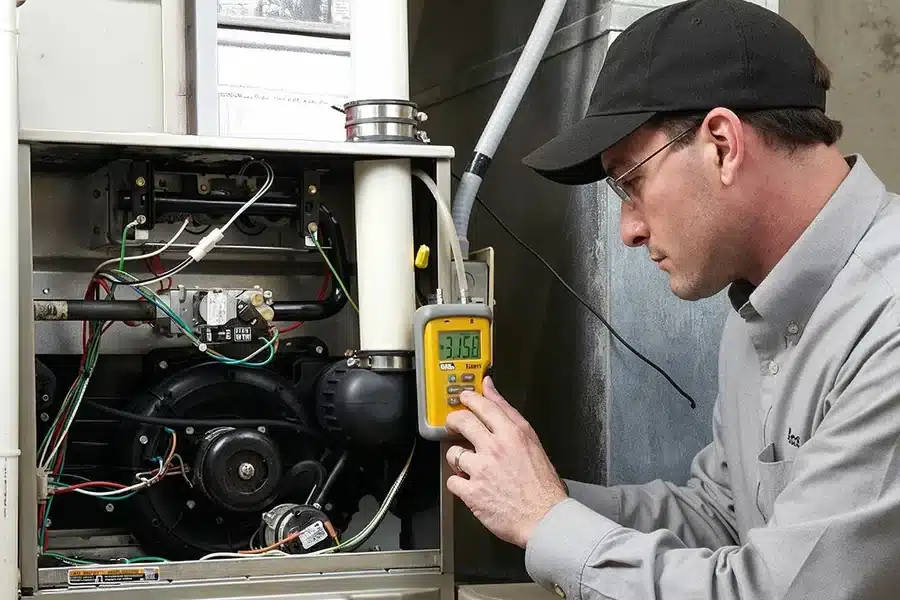
As temperatures begin to drop, homeowners often rely heavily on their heating systems to maintain comfort indoors. A furnace that worked adequately during the previous winter may not always perform the same way after months of inactivity. Minor issues can quietly develop over time and become far more serious once colder weather arrives. Ignoring unusual furnace behavior can lead to higher utility costs, reduced comfort, and sudden breakdowns during freezing conditions.
Preparing early before winter fully settles in gives homeowners the opportunity to identify hidden problems before they become emergencies. Paying attention to warning signs can help prevent uncomfortable nights, expensive repairs, and unnecessary stress throughout the colder months ahead.
Common Furnace Warning Signs
Unusual Noises Coming From the Furnace
One of the earliest indicators that a furnace may need attention before winter is the appearance of unfamiliar noises during operation. Furnaces naturally produce some sound while running, but loud banging, rattling, screeching, or grinding noises usually suggest that something inside the system is no longer functioning properly. A banging sound can occur when delayed ignition causes gas to build up before ignition, while rattling may indicate loose panels or damaged internal components. Grinding noises are often linked to worn motor bearings or blower issues that worsen over time if ignored. These sounds rarely disappear on their own and can become more severe as the system continues operating under strain.
Older furnaces are particularly vulnerable to wear that develops slowly between heating seasons. Dust buildup, aging belts, and loose moving parts may create excessive friction that eventually damages other components inside the unit. Homeowners sometimes overlook these noises because the furnace may still produce heat, but continued operation under those conditions can significantly shorten the system’s lifespan. Scheduling a Furnace repair service after hearing persistent or unusual sounds can help identify internal problems before they lead to a complete heating failure during the coldest months of winter.
Rising Energy Bills Without Explanation
An increase in monthly utility costs is another warning sign that a furnace may not be operating efficiently. Heating systems naturally consume more energy during colder seasons, but a sudden spike in energy bills without a major change in household habits can indicate a developing mechanical issue. When furnace components become worn or clogged, the system often works harder and longer to maintain the desired indoor temperature. This additional strain forces the furnace to use more fuel or electricity than necessary, gradually increasing monthly expenses.
Dirty burners, malfunctioning thermostats, blocked filters, and failing blower motors can all reduce furnace efficiency. Even small airflow restrictions may force the heating system to cycle more frequently, leading to higher energy consumption over time. Homeowners sometimes assume that rising costs are simply due to colder weather, but inefficient furnace performance is often the hidden cause. Addressing these concerns before winter fully arrives may restore normal efficiency levels and reduce unnecessary utility spending. A properly functioning furnace should provide consistent warmth without causing dramatic increases in monthly energy costs, especially when the system has been regularly maintained throughout the year.
Uneven Heating Throughout the Home
A furnace that struggles to distribute heat evenly throughout the home often signals underlying performance problems that should not be ignored before winter begins. Some rooms may feel warm and comfortable while others remain unusually cold, even when the thermostat is set higher. This imbalance can result from restricted airflow, damaged ductwork, blower issues, or declining furnace performance. Uneven heating usually becomes more noticeable in colder weather because the system cannot maintain steady airflow throughout the home.
Blocked vents and clogged air filters are among the most common causes of uneven heating, but deeper mechanical problems may also contribute. A failing blower motor may no longer push heated air effectively, while leaking ducts can allow warm air to escape before reaching certain rooms. In some cases, thermostat malfunctions cause inaccurate temperature readings that interfere with normal heating cycles. Ignoring uneven temperatures can make the furnace work harder than necessary, placing additional stress on already weakened components. Identifying and correcting the source of inconsistent heating before winter can improve comfort while reducing strain on the system during periods of heavy use.
Frequent Cycling and Constant Operation
A furnace that constantly turns on and off throughout the day may be experiencing short cycling, a condition that often signals mechanical or airflow-related problems. Heating systems are designed to complete relatively consistent cycles to maintain indoor temperatures efficiently. When the furnace begins cycling too frequently, it may struggle to regulate heat properly or respond inaccurately to thermostat settings. This repeated starting and stopping places unnecessary strain on the system and can accelerate wear on critical components.
Short cycling may occur due to overheating from dirty filters, restricted airflow, malfunctioning flame sensors, or thermostat issues. In some situations, the furnace may also be improperly sized for the home, causing it to heat spaces too quickly before shutting down again. Constant operation without reaching the desired temperature can also indicate failing components that reduce overall heating capacity. Both situations increase energy consumption while decreasing furnace reliability. Homeowners who notice irregular cycling patterns before winter should address the issue promptly to avoid a complete system failure during freezing temperatures, when continuous heating is essential for comfort and safety.
Weak Airflow From Vents
Weak airflow coming from vents often indicates that the furnace is no longer distributing heat effectively throughout the home. Homeowners may notice that warm air barely reaches certain rooms or that it takes much longer for the house to feel comfortable after adjusting the thermostat. Reduced airflow can make indoor spaces feel chilly even while the furnace appears to be operating continuously. This problem often worsens during colder months because the heating system must work harder to maintain adequate temperatures.
Several issues can contribute to poor airflow, including clogged filters, damaged blower motors, blocked ductwork, or debris accumulation inside ventilation systems. Restricted airflow forces the furnace to run longer cycles, increasing component wear and raising energy consumption. In some cases, excessive dust buildup inside the furnace can interfere with normal airflow and significantly reduce heating performance. Weak airflow should never be dismissed as a minor inconvenience because it can signal larger internal problems developing within the system. Addressing airflow concerns before winter arrives helps improve comfort levels while protecting the furnace from excessive strain during extended operation throughout the colder season.
Strange Smells During Furnace Operation
Unusual odors from a furnace are another important warning sign that should be addressed before winter. A slight dusty smell when the furnace is first turned on after months of inactivity is relatively common, but persistent or strong odors may indicate more serious problems. Burning smells can result from overheating components, damaged wiring, or excessive dust accumulation inside the system. A musty odor may suggest mold or moisture buildup in the ductwork, while a rotten-egg smell could indicate a dangerous gas leak requiring immediate action.
Ignoring unusual furnace smells can create both safety and comfort concerns within the home. Electrical issues that produce burning odors may eventually lead to damaged components or fire hazards if left unresolved. Gas-related odors are especially dangerous because they can pose serious health and safety risks for occupants. Even persistent musty smells can contribute to poor indoor air quality and respiratory irritation over time. Homeowners should pay close attention to any changes in odor when the furnace operates regularly. Identifying the source early can help prevent larger mechanical failures while ensuring the heating system remains safe and reliable throughout the winter season.
Difficulty Starting or Maintaining Heat
A furnace that struggles to start or fails to maintain consistent heat often signals developing mechanical issues that can worsen rapidly once winter temperatures drop. Some homeowners notice that the furnace takes longer than usual to activate after adjusting the thermostat, while others experience intermittent heating that stops unexpectedly during operation. These issues may initially appear minor, but often indicate ignition problems, failing sensors, or electrical malfunctions inside the system.
Pilot light issues, damaged ignition components, and worn electrical connections can all interfere with the furnace’s normal operation. Over time, repeated failed starts place additional stress on the system and increase the likelihood of complete breakdowns during periods of heavy winter use. A furnace that cannot maintain steady heat may also create uncomfortable indoor conditions and force occupants to rely on temporary heating solutions, increasing energy costs. Addressing startup problems before winter arrives helps reduce the risk of sudden heating failure when outdoor temperatures become dangerously cold. Consistent furnace operation is essential for maintaining comfort, protecting plumbing systems, and ensuring safe indoor living conditions during the harshest months of the year.
Preparing a furnace for winter involves more than simply turning on the thermostat when temperatures begin to fall. Warning signs such as unusual noises, rising utility bills, uneven heating, strange odors, weak airflow, and constant cycling often indicate that the system requires professional attention before colder weather arrives. Ignoring these symptoms can lead to expensive repairs, poor indoor comfort, and unexpected furnace failure during freezing conditions.
Early action allows homeowners to address small issues before they become larger mechanical problems that disrupt daily life. Paying attention to furnace performance throughout the fall season can improve heating reliability, increase efficiency, and help maintain a warm, comfortable home all winter long.