
How Do HVAC Contractors Handle System Upgrades and Retrofits?
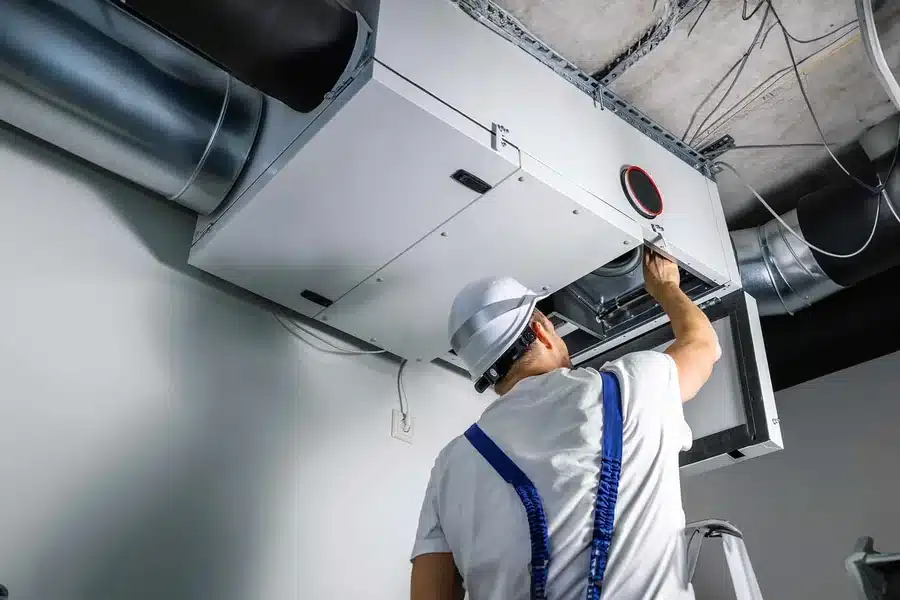
Upgrading or retrofitting an HVAC system is often necessary to improve efficiency, performance, and comfort in homes and commercial buildings. Older units may struggle to meet current energy standards or accommodate changes in building layouts and occupancy. HVAC contractors manage these upgrades by assessing existing systems, recommending compatible solutions, and implementing modifications that enhance functionality while minimizing disruption. The process requires careful planning, coordination with other building systems, and adherence to safety and code requirements. Professional handling ensures that new components integrate seamlessly, deliver reliable performance, and provide long-term benefits in both energy use and indoor comfort.
Initial Assessment
-
Evaluating Existing Equipment
The first step in any system upgrade or retrofit is a thorough evaluation of the current HVAC equipment. Contractors inspect boilers, furnaces, air handlers, ductwork, thermostats, and other components to identify performance gaps or inefficiencies. They also assess the building’s heating and cooling loads, insulation, and ventilation requirements to ensure that any new equipment is correctly sized and suitable for the space. This evaluation allows for informed recommendations on whether to replace, upgrade, or retrofit specific components. Companies like Compass Energy Inc. utilize these assessments to develop detailed plans that consider both immediate performance improvements and long-term operational efficiency. A careful review ensures that modifications will meet energy codes, improve system reliability, and align with occupant comfort requirements.
-
Planning and Design Considerations
Successful HVAC retrofits require meticulous planning to avoid conflicts with existing infrastructure. Contractors create design plans that consider duct sizing, piping, electrical connections, and control system compatibility. They ensure that airflow is optimized, load distribution is balanced, and all components meet safety and building standards. Design planning also addresses future maintenance access, integration with smart thermostats or building automation systems, and potential expansion needs. Proper planning reduces the likelihood of costly mistakes during installation and ensures that new components complement existing systems rather than overloading or underutilizing them. This stage establishes the framework for a seamless retrofit, providing clarity for both technicians and building owners while minimizing disruption to daily operations.
-
Equipment Replacement and Integration
When an upgrade requires replacing major components, contractors remove outdated units and install modern, more efficient equipment. This may involve boilers, compressors, air handlers, or heat pumps, depending on the building’s requirements. Integration with existing ductwork, electrical systems, and control mechanisms is carefully managed to maintain functionality throughout the installation process. Technicians test each system as it is installed to verify airflow, temperature distribution, and operational performance. The transition from old to new equipment is staged to prevent downtime and ensure that occupants experience minimal disruption. Proper integration also ensures that the upgraded system delivers energy savings, improved comfort, and reliable operation immediately after installation.
-
Ductwork and Piping Modifications
Retrofitting often involves modifying ductwork or piping to accommodate new equipment or optimize airflow. Contractors evaluate existing duct layouts and identify areas that may cause pressure drops or uneven heating or cooling. Adjustments include resizing ducts, sealing leaks, adding insulation, or rerouting airflow to improve distribution. Similarly, piping systems may be upgraded to handle higher flow rates or accommodate new hydronic heating components. These modifications are critical to maximizing efficiency and ensuring that the new equipment operates effectively without placing additional strain on older infrastructure. Properly designed duct and pipe adjustments contribute to even temperatures, reduced energy consumption, and quieter operation throughout the building.
-
Electrical and Control System Updates
Modern HVAC systems often include advanced electrical controls and programmable thermostats. During upgrades, contractors verify that wiring, circuit protection, and control systems are compatible with new units. Updating controls allows for more precise temperature management, integration with smart systems, and optimized scheduling to reduce energy waste. Technicians also ensure that safety features, including overload protection, emergency shut-offs, and sensors, are fully operational. Control system updates are essential for maximizing the performance of both heating and cooling equipment and allow building owners to monitor energy use and adjust settings for improved comfort. Proper installation of electrical and control components reduces the risk of faults and ensures reliable operation over time.
-
Testing and Commissioning
After installation or retrofit, contractors perform rigorous testing and commissioning to verify system performance. Airflow, temperature consistency, refrigerant levels, and system pressures are measured to confirm that the system meets design specifications. Any adjustments to dampers, valves, or controls are made to ensure optimal operation. Commissioning also includes verifying that safety protocols are functioning and that the system responds correctly to thermostat inputs or automated schedules. Proper testing ensures that energy efficiency gains are realized, that the system delivers expected comfort, and that equipment longevity is maximized. This phase is critical to achieving the benefits of an upgrade or retrofit and allows occupants to experience stable, reliable performance from day one.
HVAC contractors handle system upgrades and retrofits through careful assessment, planning, component replacement, duct and pipe modifications, electrical updates, and thorough testing. Each step is designed to improve energy efficiency, enhance comfort, and extend system longevity. Integration of modern controls and advanced equipment ensures reliable operation and allows for better temperature management throughout the building. Maintenance guidance and follow-up services support long-term performance and protect the investment in the upgraded system. By managing every aspect of the process, HVAC contractors ensure that retrofits and upgrades deliver tangible benefits, including consistent comfort, reduced energy costs, and improved reliability for homeowners and businesses alike.