
Why FILLMED Is Popular Among Aesthetic Professionals
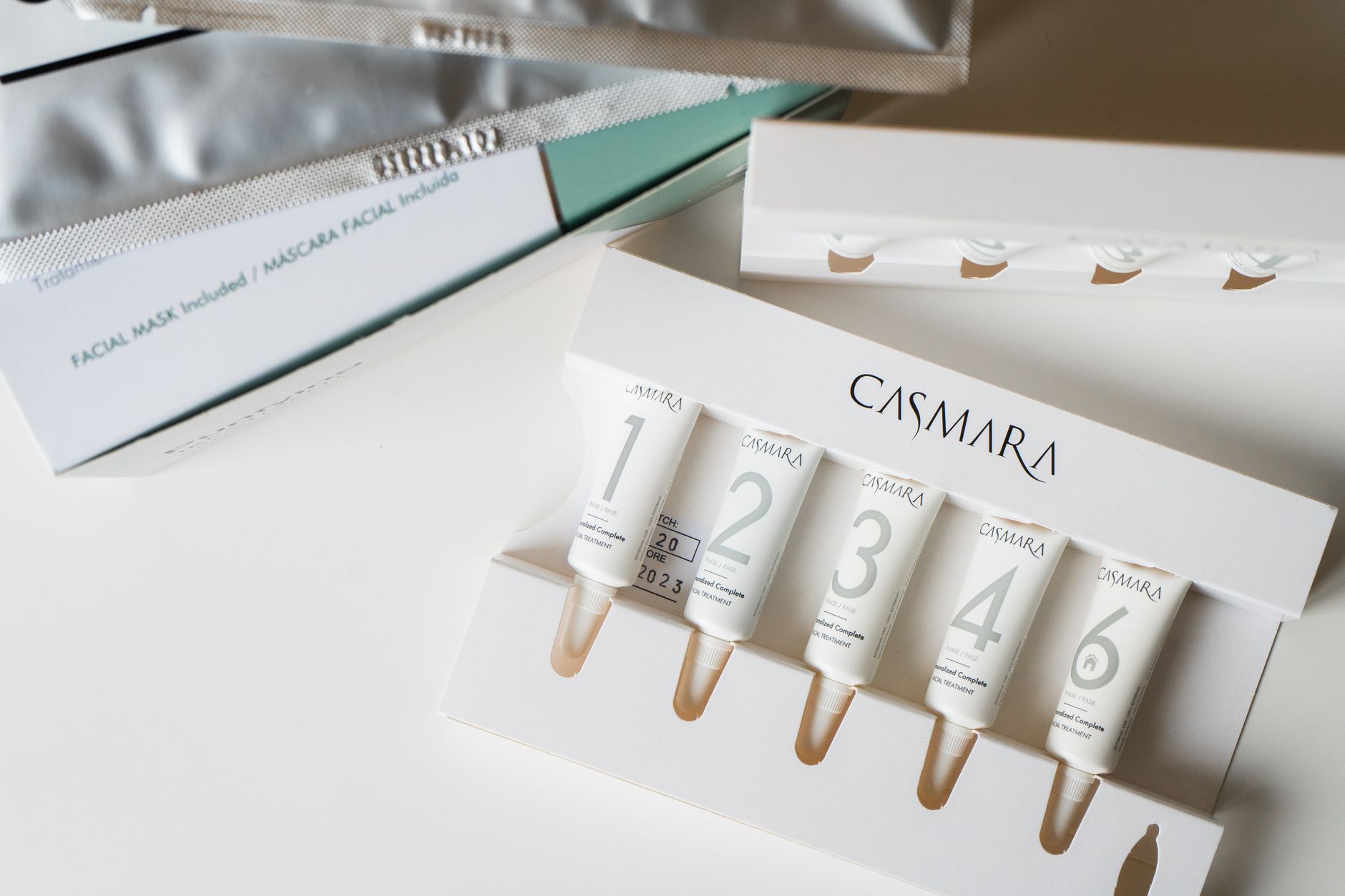
In aesthetic medicine, popularity rarely comes down to hype alone. Practitioners are usually drawn to brands and treatment systems for more practical reasons: reliability, clinical logic, patient satisfaction, and the ability to fit smoothly into real-world practice. That helps explain why FILLMED continues to hold a strong position among aesthetic professionals.
Its appeal is not simply about name recognition. Rather, it reflects a broader shift in the industry toward treatments that improve skin quality, support natural-looking outcomes, and make sense as part of a longer-term patient plan. In a market where patients are increasingly informed and expectations are higher than ever, professionals tend to favour solutions that are both scientifically grounded and flexible enough to personalise.
Aesthetic practice has moved beyond one-off treatments
A decade ago, many patients approached aesthetics with a narrow goal: smooth a line, add volume, fix a specific concern. Those needs still matter, of course, but the conversation has changed. More patients now ask about skin texture, radiance, hydration, and prevention. They want results that are noticeable without looking obvious.
That evolution plays directly into why FILLMED resonates with clinicians.
It supports a full-face, skin-first philosophy
One reason professionals value the brand is that it aligns well with a more holistic view of facial aesthetics. Instead of focusing only on isolated correction, many practitioners now assess the face in terms of skin quality, structure, movement, and long-term ageing patterns. Treatments are expected to work together, not compete for attention.
FILLMED has become associated with this integrated style of practice. Its place in clinics often extends beyond a single category of product. For experienced injectors and skin specialists alike, that matters. A brand becomes easier to trust when it supports broader treatment planning rather than sitting in a silo.
The focus on skin quality fits what patients actually want
The most successful aesthetic outcomes often come from subtle improvement rather than dramatic change. Better hydration, smoother texture, improved luminosity, and stronger skin function can make a patient look fresher without creating an overtreated appearance. That is exactly where many clinics are concentrating their efforts.
It is also why practitioners often combine in-clinic procedures with ongoing topical care. In that context, access to professional skincare formulations for aesthetic use feels like a natural extension of treatment, not an afterthought. When skincare and procedures are working toward the same goal, it becomes easier to build consistency into patient results.
What professionals value in daily clinical practice
From the outside, brand loyalty can look emotional. In reality, most clinicians are making highly practical decisions. They want products and protocols that perform well, integrate cleanly, and inspire confidence from consultation through follow-up.
Predictability is a major advantage
Aesthetic medicine depends on judgement, but it also depends on consistency. Professionals need to know how a product behaves, how patients are likely to respond, and how to set realistic expectations around outcomes and maintenance. A system that feels predictable allows practitioners to focus more on assessment and technique, rather than second-guessing every step.
That predictability is one of the less glamorous but more important reasons a brand gains traction. When clinicians can rely on repeatable standards, they are better positioned to personalise care safely. In busy practice settings, that kind of dependability becomes a serious asset.
There is also value in having options that can be adapted to different patient profiles. Not every patient wants the same intensity of treatment, timeline, or budget commitment. Professionals appreciate brands that allow them to tailor recommendations without losing coherence in the overall plan.
Education and treatment logic still matter
Another reason aesthetic professionals gravitate toward established systems is education. Good products are important, but good training and a clear treatment philosophy are often what turn a product line into something clinicians actually use with confidence.
The strongest brands tend to give practitioners a framework: how to assess, when to treat, what to combine, and how to manage outcomes over time. That is especially relevant in aesthetics, where patient demand is growing faster than patient understanding. Clinicians are expected to act not just as providers, but as guides.
When a treatment approach is easy to explain and clinically intuitive, consultations become stronger. Patients feel more informed, and practitioners can steer them away from impulsive choices toward better long-term decisions.
Why patients respond well to the FILLMED approach
Professional preference only goes so far. Ultimately, patients determine whether a treatment philosophy has staying power. In this case, the appeal is closely tied to the kind of results modern patients tend to value most.
Natural-looking improvement builds trust
Patients are often less interested in “looking done” than in looking healthy, rested, and subtly refreshed. That has pushed the entire field toward a more conservative, skin-quality-led aesthetic. Brands that fit this expectation naturally gain momentum among practitioners, because they make it easier to deliver what patients are asking for.
There is also a psychological dimension here. When patients see improvement that feels believable, they are more likely to return, maintain results sensibly, and trust professional guidance. That is good for outcomes and good for the reputation of the clinic.
A few factors tend to shape that positive response:
- improvements that appear gradual rather than abrupt
- treatment plans that combine maintenance with prevention
- recommendations that feel personalised instead of generic
- visible skin benefits that complement, rather than overshadow, injectable work
That kind of experience is often what turns a patient from curious first-timer into a loyal long-term client.
A sign of where the industry is heading
FILLMED’s popularity says something larger about the aesthetic market. Professionals are moving toward treatment ecosystems, not isolated hero products. They want clinical flexibility, evidence-informed protocols, and options that support both immediate results and long-term skin health.
Patients, meanwhile, are becoming more discerning. They are less impressed by dramatic before-and-afters and more interested in outcomes that fit their lives, age well, and preserve natural expression. The brands that thrive in this environment are the ones that help practitioners deliver nuance.
Final thoughts
FILLMED remains popular among aesthetic professionals because it speaks to the realities of modern practice. It fits the industry’s move toward integrated care, supports a skin-first philosophy, and gives clinicians a framework they can use with confidence.
That kind of relevance cannot be manufactured through branding alone. In aesthetics, professionals tend to stick with what works, what makes sense clinically, and what helps patients look like the best version of themselves. FILLMED’s continued presence in expert-led treatment plans reflects exactly that.