
What to Know About Jamaican Sea Moss
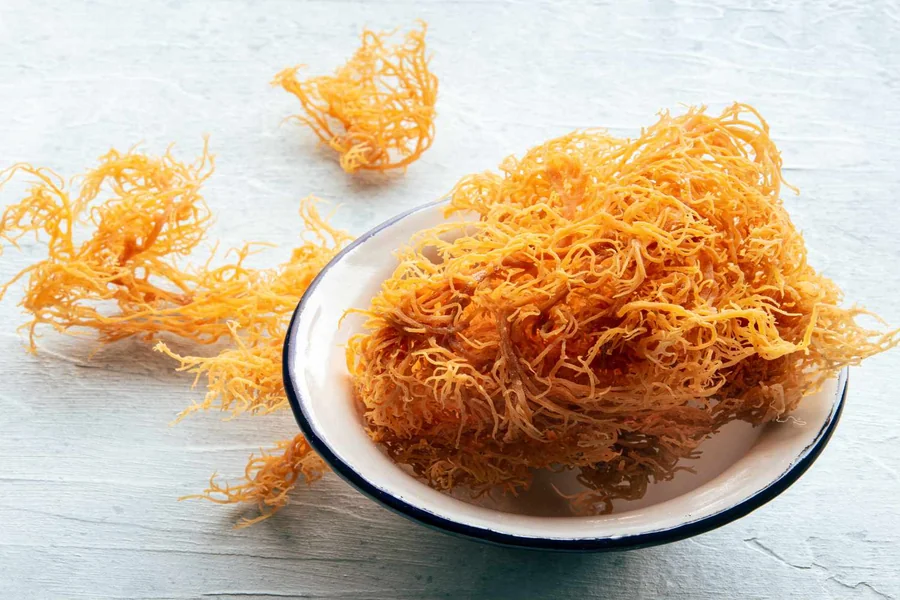
Sea moss has moved from a niche ingredient in Caribbean households to a staple in wellness conversations around the world. Yet for something now found in smoothies, gels, and pantry shelves far beyond the islands, it’s often poorly understood. What exactly is Jamaican sea moss? Why do people seek it out? And how can you tell the difference between a quality product and one that simply looks the part?
The short answer: Jamaican sea moss is a type of marine algae traditionally gathered and used in the Caribbean for generations. But that simple description doesn’t capture the cultural history, environmental context, or practical nuance behind it.
Jamaican Sea Moss Is More Than a Trend
If you’ve only encountered sea moss through social media, it can seem like a modern superfood phenomenon. In Jamaica and across the wider Caribbean, though, it has long been part of everyday food culture. It has been used in drinks, tonics, and homemade preparations valued for both texture and nourishment.
What makes Jamaican sea moss distinct is partly geography. The waters around Jamaica and the broader Caribbean create conditions that influence the appearance, texture, and mineral profile of marine vegetation. Sea moss from this region may vary in color, shape, and firmness depending on where and how it’s grown or harvested. That variation is normal. In fact, it’s often a sign that you’re looking at a natural product rather than something overly standardized or heavily processed.
A Note on Terminology
One reason sea moss causes confusion is that the name itself is used loosely. In the marketplace, “sea moss” can refer to several species of marine algae, and not all are sourced or handled in the same way. Some products are wild-harvested, while others are pool-grown or farmed under controlled conditions.
Neither label tells the whole story on its own. Wild-harvested material may appeal to buyers looking for a more traditional sourcing method, but it should still be cleaned and prepared properly. Farmed sea moss can offer consistency, yet quality depends heavily on cultivation practices. The better question is not simply “wild or farmed?” but “how was it sourced, handled, and presented?”
What People Value About It
Sea moss is often discussed in nutritional terms, and for good reason. Like other sea vegetables, it contains naturally occurring minerals and compounds that make it attractive to people interested in whole-food ingredients. It’s also valued for its natural thickening properties, which explain why it appears in drinks, soups, desserts, and gels.
Still, it helps to keep expectations grounded. Sea moss is not a cure-all. It is best understood as one part of a broader diet rather than a miracle ingredient. That perspective matters because the modern wellness market has a habit of turning traditional foods into oversized promises.
Texture Matters as Much as Nutrition
One of the most practical reasons people use sea moss is its texture. Once soaked and blended, it forms a smooth gel that can be stirred into recipes without dramatically changing flavor. That makes it unusually versatile. It can add body to a smoothie, help thicken a porridge, or bring a silky consistency to plant-based dishes.
For readers trying to understand the broader category, exploring a reputable Caribbean wild-harvested sea vegetation range can be helpful because it shows how sea moss fits into a larger family of traditional marine ingredients rather than existing as a standalone fad.
How Jamaican Sea Moss Is Commonly Used
Much of sea moss’s appeal comes down to ease. Once prepared, it slips naturally into everyday meals.
In Drinks and Tonics
In Caribbean food culture, sea moss is often blended into beverages. Some recipes pair it with spices, vanilla, or plant milk to create a rich drink with a thick, satisfying consistency. Others use smaller amounts in fruit smoothies.
In Cooking
Because sea moss gel acts as a natural thickener, it can work in:
- soups and stews
- porridges and oats
- smoothies and shakes
- homemade desserts
- sauces or plant-based recipes
The goal isn’t to make every meal taste like the sea. Properly rinsed and prepared sea moss has a relatively mild flavor, which is exactly why it adapts so well.
What to Look for When Buying It
This is where many consumers get tripped up. A lot of sea moss is marketed with broad claims, but the practical signs of quality are more useful than buzzwords.
Look for Real Variation
Natural sea moss does not always look perfectly uniform. Color can range from golden and purple to greenish or beige depending on species and environment. Slight irregularity in shape or texture is not necessarily a flaw.
Be Cautious With Overly Processed Products
If a product appears unnaturally bright, heavily salted, or stripped of all variation, it’s worth asking questions. Minimal processing is often a better sign than cosmetic perfection.
Ask About Sourcing
Transparency matters. Sellers should be able to explain where the sea moss comes from and how it was handled after harvesting. Vague origin stories are common in this category, so specificity is valuable.
Preparing It Properly
If you buy dried sea moss, preparation is straightforward but important. It should be rinsed well to remove residual salt, sand, or debris, then soaked until it softens and expands. After that, many people blend it with water to create a gel and store it in the refrigerator for use across several days.
The main mistake beginners make is overcomplicating it. Sea moss doesn’t require a complicated ritual. What it needs is good cleaning, sensible storage, and moderate use.
The Bigger Picture
Jamaican sea moss sits at an interesting crossroads: traditional knowledge, modern wellness, and growing consumer curiosity. That mix can produce both appreciation and misinformation. On one hand, more people are discovering a long-valued Caribbean ingredient. On the other, rapid popularity has encouraged shallow marketing and inflated claims.
The most useful way to approach sea moss is with equal parts interest and discernment. Learn where it comes from. Respect the cultural context behind it. Pay attention to sourcing and preparation. And treat it as what it has always had the potential to be: a versatile, mineral-rich sea vegetable with a meaningful place in both traditional foodways and contemporary kitchens.
In other words, Jamaican sea moss is worth knowing—but not because it promises magic. It’s worth knowing because it offers something more grounded: history, utility, and a direct connection to the natural abundance of Caribbean waters.