
Swimming lessons are safe and beneficial for toddlers starting around
Are Swimming Lessons Safe for Babies and Toddlers?
Benefits, Risks, and Best Age to Start
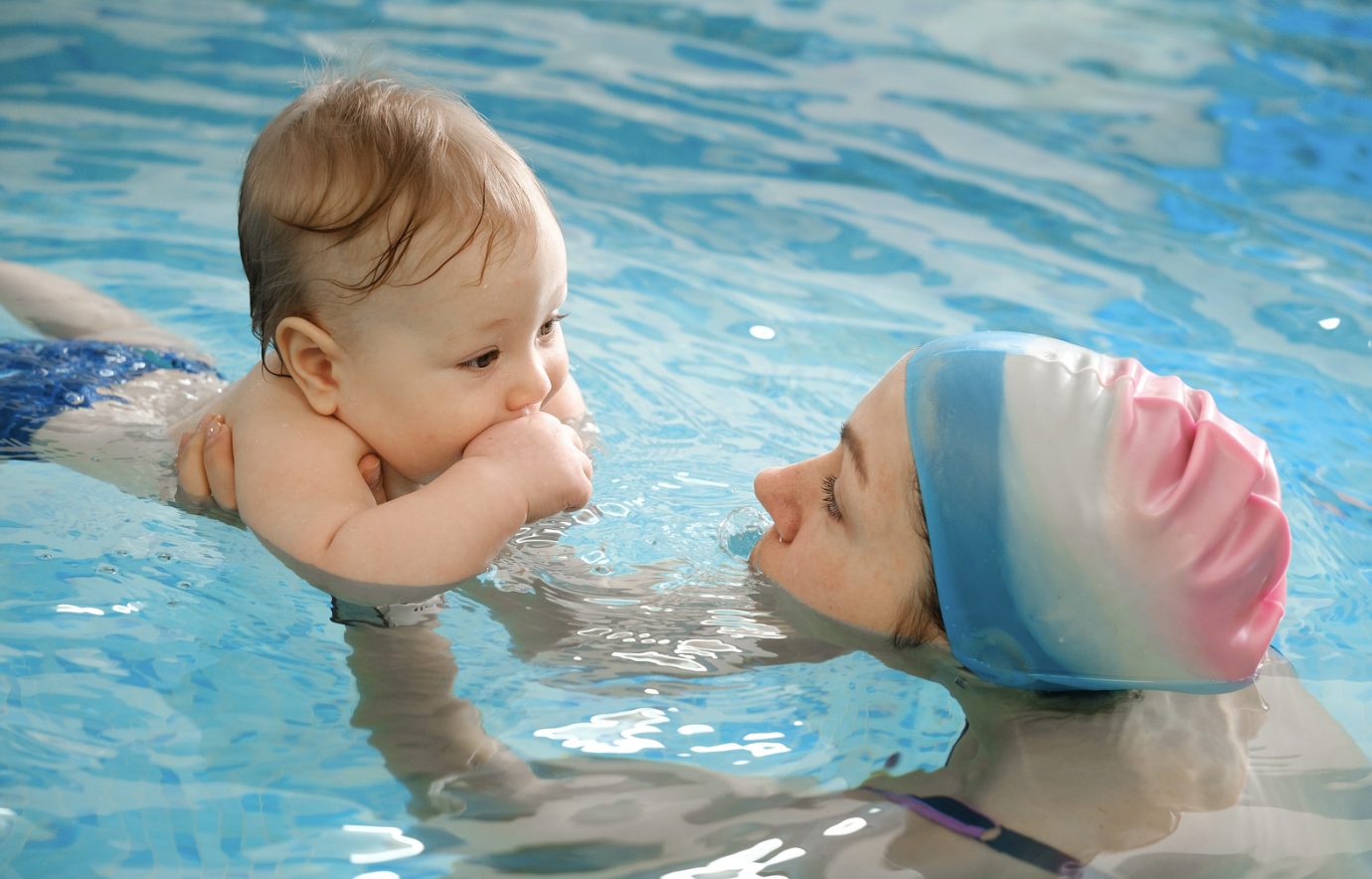
Swimming lessons are safe and beneficial for toddlers starting around age 1, and current evidence shows children who participate in formal swim lessons have a lower drowning risk than peers who do not. For babies under 1, water play classes with a parent in the pool are safe and enjoyable, but they are not shown to reduce drowning risk the way structured lessons for older toddlers can.
Many families exploring Swimming lessons for babies and toddlers Denver CO want to know whether starting early is both safe and worthwhile. The answer depends on a child's age, developmental readiness, and the type of program being considered.
Parents often ask about safety first when it comes to putting a baby or toddler in the water, and that is a reasonable instinct.
Here is what the evidence actually shows about both the benefits and the real limitations of swim lessons at this age.
The Core Benefit: Reduced Drowning Risk
The clearest, most well-established benefit of formal swim lessons for toddlers is a measurable reduction in drowning risk. Multiple studies, including case-control research published in pediatric medical journals, have found that children who participate in formal swimming lessons have a lower risk of drowning than children who do not, particularly in the 1 to 4 age range, where drowning risk peaks.
This matters because drowning is the leading cause of death for children ages 1 to 4 in the United States, and it happens quickly and often silently, without the splashing or calling out that many people expect. Formal instruction that teaches real water survival skills, not just splashing around, directly addresses this risk.
Are There Real Risks to Swim Lessons Themselves?
For healthy toddlers in a properly run program, the direct risks of swim lessons themselves are low. The main safety considerations are less about the swimming itself and more about the surrounding conditions:
- Water temperature, since infants and toddlers lose body heat faster than adults and need appropriately warmed pools
- Water quality and proper chlorination, to avoid exposing a young child's developing immune system to contaminated water
- Instructor-to-child ratios, since very young children need close individual supervision even within a class setting
- A child's individual developmental readiness, since forcing lessons before a child is emotionally or physically ready can create fear or resistance rather than confidence
None of these is a reason to avoid lessons altogether. They are simply factors worth confirming when choosing a specific program, since quality varies considerably between providers.
The Under-1 Question Specifically
This is where the safety conversation gets more nuanced. For babies younger than 12 months, there is currently no evidence that infant swim programs reduce drowning risk. This is not because water play is unsafe for babies under 1, parent-child water play classes are a fine and enjoyable activity. It is because infants at this age lack the physical and neurological development needed to reliably lift their heads above water and breathe, regardless of how much reflexive "swimming" movement a class might elicit.
Some programs market infant "drown-proofing" techniques for babies under 1, and parents should approach these claims with appropriate skepticism, since the research does not currently support the premise that infants this young can develop meaningful self-rescue skills, no matter how the program is marketed.
Why Supervision Still Matters Even After Lessons
This is arguably the most important safety point, and the one most likely to be overlooked once a child has completed swim lessons. Completing swim lessons does not mean a child no longer needs close supervision around water. Formal swimming lessons can reduce drowning risk, but children who have had lessons still need close and constant supervision whenever they are in or near water. Confidence in the water at this age is not the same thing as safety.
In fact, one documented risk pattern involves parents becoming less vigilant, specifically because a child has completed lessons, assuming a level of self-sufficiency the child does not actually have yet. Public health guidance consistently frames swim lessons as one layer of protection among several, not a standalone solution.
Building a Complete Safety Approach Around Lessons
Swim lessons work best as part of a broader safety strategy rather than in isolation. The other essential layers include four-sided pool fencing that separates the pool area from the house and yard, with self-closing and self-latching gates, which has been shown to reduce a child's drowning risk by 83 percent compared to property-line fencing alone, constant and undistracted adult supervision, sometimes formalized as a designated "water watcher" whose only job is watching the children in the water, life jackets for weaker swimmers in open water settings like lakes or the ocean, and CPR training for parents and caregivers, so that if something does happen, help does not depend entirely on how quickly paramedics arrive.
What a Safe, High-Quality Program Looks Like
When evaluating a swim program for your toddler, look beyond just "does my child like it" to a few concrete indicators of quality and safety. Confirm the instructor-to-child ratio is appropriately low for the age group, ask whether the curriculum teaches actual water survival skills, like getting back to the surface and reaching an exit point, not just stroke technique, and check that the facility maintains proper water temperature and chlorination for infants and toddlers specifically, since standards appropriate for adult lap pools are not always appropriate for very young children.
If you are researching swimming lessons for babies and toddlers in Denver, CO, it is reasonable to ask a program directly what evidence supports their specific curriculum for your child's age group, particularly for children under 1, since program quality and claims vary considerably across providers.
Frequently Asked Questions
Can swim lessons cause water intoxication or other health issues in very young children? This is a rare but real concern for infants who swallow large amounts of pool water repeatedly, since their smaller body size makes an electrolyte imbalance more possible than in older children. Quality infant programs are aware of this and structure lessons to minimize water swallowing, which is another reason program quality matters.
Is it safe to take a toddler swimming in natural water, like a lake, before pool lessons? Natural water introduces additional variables like currents, unclear visibility, and unpredictable depth changes that make it a higher-risk environment than a controlled pool setting. Starting in a pool with proper supervision and instruction is generally the safer starting point before introducing open water.
How do I know if my toddler is emotionally ready for lessons, even if they meet the recommended age? Watch for signs like comfort being held in water, willingness to put their face in briefly, and general curiosity rather than fear around the pool environment. If a toddler shows significant distress in early sessions, it is reasonable to pause and try again in a few weeks rather than pushing through, since a negative early experience can create lasting water anxiety.