
Common air conditioner problems that require professional repair inclu
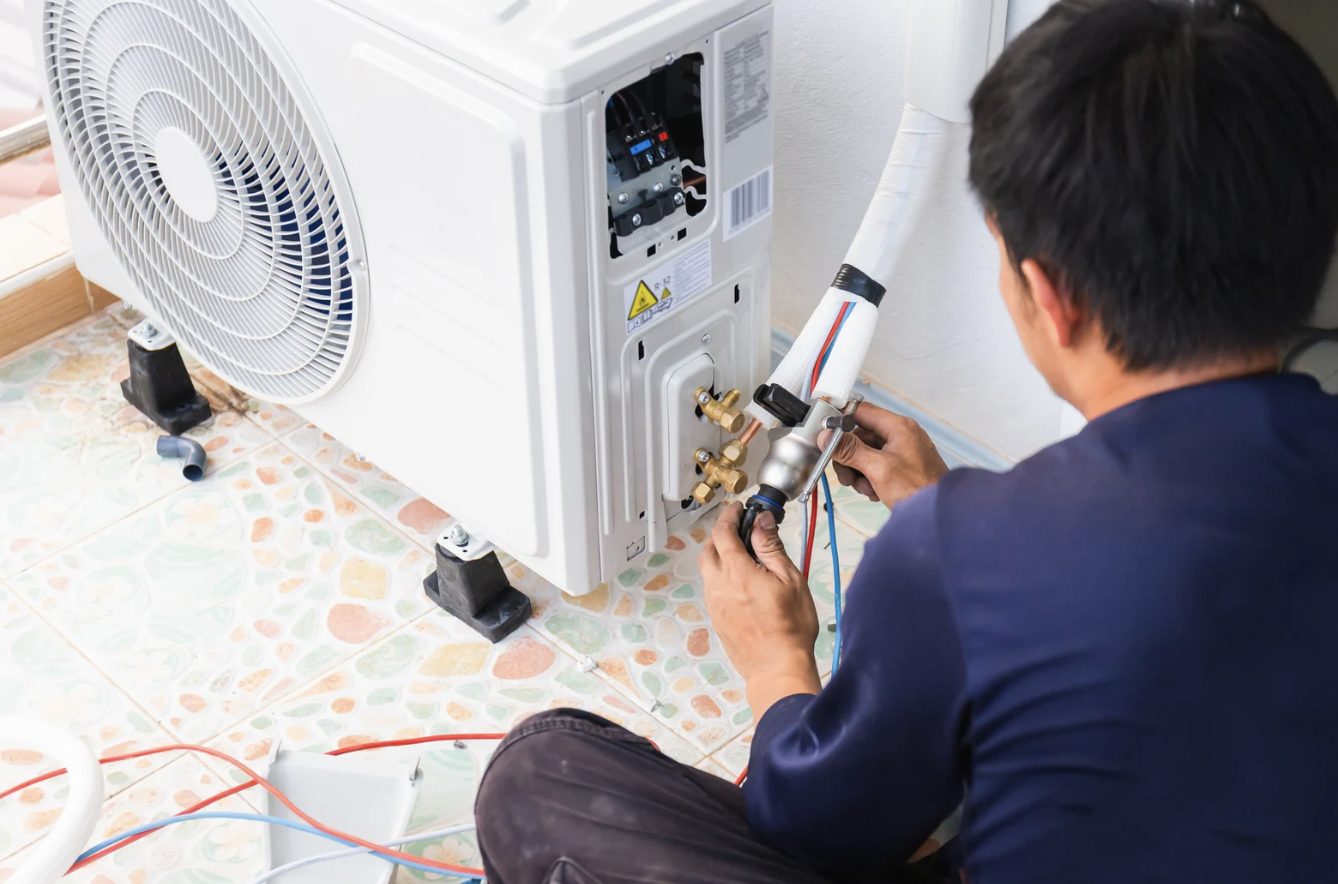
Common air conditioner problems that require professional repair include low refrigerant, a failing capacitor, ductwork leaks, and a struggling compressor, all of which involve specialized equipment, licensing, or diagnostic work beyond typical homeowner maintenance. Recognizing which issues are safe for basic upkeep and which require a licensed technician helps prevent a manageable problem from becoming a costly breakdown that could have been avoided with earlier intervention.
Air conditioning systems are made up of interconnected mechanical and electrical components, so a failure in one area often places additional strain on the rest of the system. Whether you need AC Repair Arvada, CO, depends less on the age of the unit and more on the type of problem that is developing inside it. Some issues are minor, while others can quickly lead to expensive component failures if ignored.
Key Takeaways
- Refrigerant handling legally requires EPA certification and should never be attempted without a licensed technician
- Ductwork leaks can waste 20 to 30 percent of conditioned air before it reaches the vents
- Electrical issues inside an AC system always warrant a licensed technician due to fire and shock risk
- Compressor failure is often the point where repair and replacement costs become comparable
- Basic maintenance, like filter changes and coil cleaning, can be handled safely by most homeowners
1. Low Refrigerant Levels
Low refrigerant is one of the most common AC issues, and it requires specialized equipment and licensing to handle safely and legally, since refrigerant is a regulated substance under federal law. A system blowing warm air or working harder than usual without cooling effectively often points to low refrigerant. A technician must locate and repair the source of the leak, since simply adding refrigerant without addressing the leak allows the same problem to recur, often within a matter of weeks or months.
2. A Failing Capacitor
The capacitor provides the initial burst of power that the compressor and fan motor need to start. When it fails, the system either will not start or produce a humming sound without engaging, a fairly distinctive symptom that most homeowners notice right away. This is a relatively affordable repair, but it still requires proper handling of the electrical component involved, since capacitors can store a dangerous electrical charge even after the system has been powered off.
3. A Dirty or Clogged Condenser Coil
The outdoor unit's condenser coil needs unobstructed airflow to release heat effectively. When it becomes coated in dirt, grass clippings, or general debris, the system works harder to perform its basic function, which shows up as reduced cooling capacity and higher energy usage. Basic cleaning with a garden hose and a gentle brush is a reasonable homeowner task, but if efficiency does not improve afterward, a professional inspection is warranted to rule out a deeper issue.
4. A Frozen Evaporator Coil
Ice forming on the evaporator coil typically results from restricted airflow, often caused by a dirty filter, or from a refrigerant issue affecting the system's ability to properly regulate temperature. Proper diagnosis is necessary rather than simply allowing the ice to thaw, since running the system while frozen can worsen the underlying problem and place additional strain on the compressor.
5. Ductwork Leaks
Up to 20 to 30 percent of conditioned air can escape through poorly connected or leaking ductwork before it reaches the vents. Rooms that consistently feel warmer than others often point to this issue, particularly in older homes or homes where ductwork was not properly sealed during a past renovation. Identifying and sealing these leaks requires a proper inspection of the duct system, often involving specialized tools to detect leaks that are not visible from inside the living space.
6. A Clogged Condensate Drain Line
An air conditioner removes a substantial amount of moisture from indoor air daily, and that moisture needs a clear path to drain. When the line clogs with algae or debris, water can back up and overflow, sometimes causing water damage to nearby flooring, drywall, or ceilings if the unit is located in an attic or closet above a living space. This is typically a straightforward fix once correctly diagnosed, often resolved by clearing the line with a wet vacuum or specialized clearing tool.
7. A Failing Compressor
A failing compressor is one of the more serious and costly issues an AC system can develop, often signaled by the system running hot or producing unusual noises like grinding or knocking. Depending on the age of the unit, compressor failure is frequently the point where repair and replacement costs become comparable, making it worth a full evaluation before committing to either option, since a compressor replacement on an older system may not be the most financially sound choice compared to a full system upgrade.
8. Electrical Wiring or Connection Issues
Loose or faulty wiring inside an AC system can cause repeated breaker trips, failure to start, or in more serious cases, a fire hazard. Any electrical issue within the unit requires a licensed technician due to the safety risks involved, and this is not an area where homeowners should attempt any diagnostic work themselves, given the combination of high voltage and the specialized knowledge required to safely identify the source of the problem.
Why Catching These Problems Early Matters
Most of these problems provide some warning before escalating into a full system failure, whether through warm air, unusual noises, or rising energy costs. Addressing a small issue promptly is almost always less expensive than waiting until it forces a larger, more urgent repair, particularly since several of these problems, like a dirty coil or low refrigerant, place additional stress on other components the longer they go unaddressed.
Must Remember About AC Repairs
Addressing AC repair in Arvada, CO at the first sign of trouble, rather than waiting to see if the issue resolves on its own, typically prevents a manageable repair from becoming a significantly more expensive one. Knowing which of these issues are reasonable for basic homeowner attention and which require a licensed technician helps ensure problems get the right level of response the first time.