
An electrical safety inspection is a systematic check of a home’s
What Happens During an Electrical Safety Inspection?
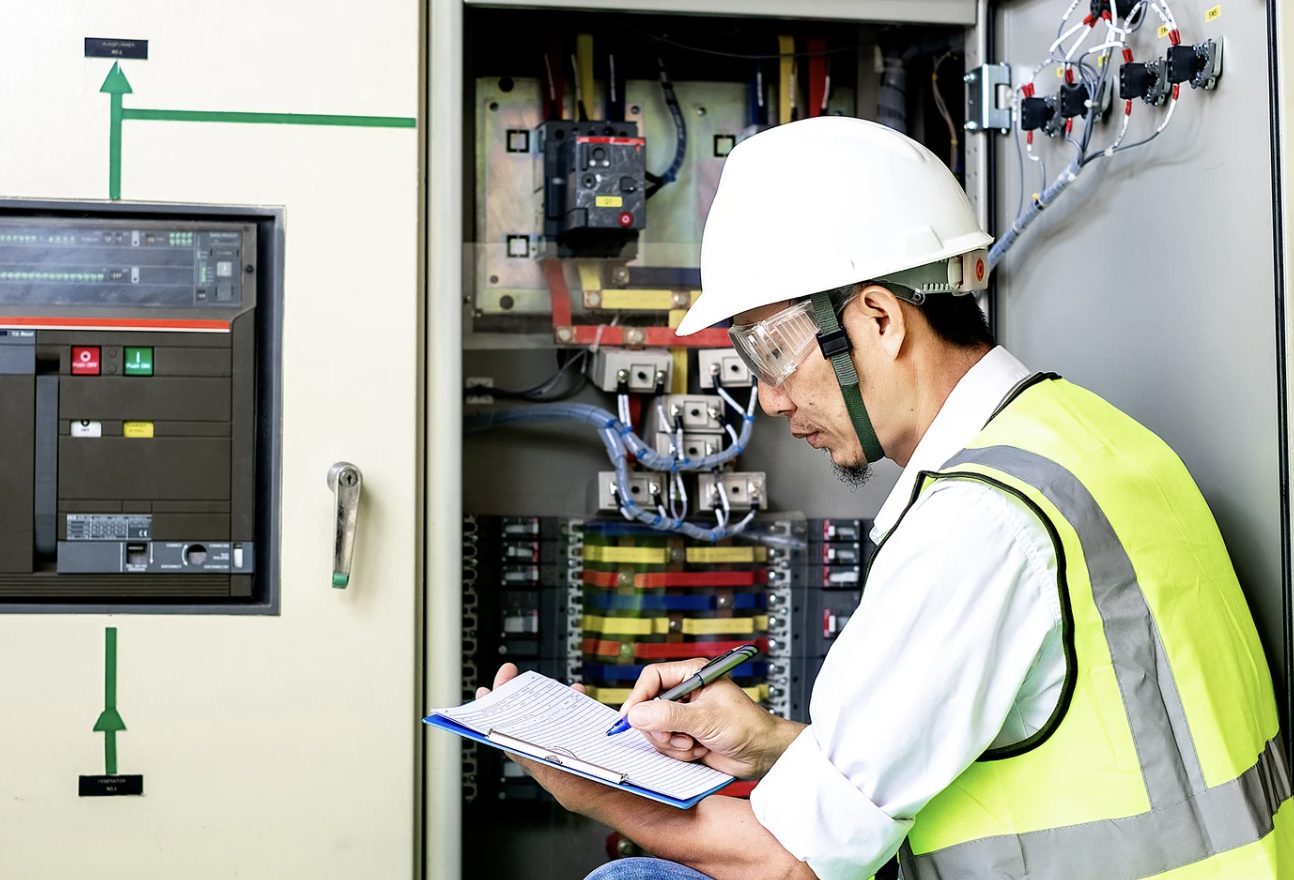
An electrical safety inspection is a systematic check of a home's panel, wiring, outlets, and grounding system to identify hazards like overloaded circuits, outdated wiring, and code violations before they cause a fire or shock injury. Most electrical inspections begin at the service panel.
An Electrician Windsor CO, like PH Electric, then works through the home, checking outlets, switches, grounding, and circuit capacity to identify anything that could affect safety or reliability
Why These Inspections Matter
Electrical failures and malfunctions cause tens of thousands of home fires annually, and most of those fires show detectable warning signs well before anything actually ignites. A proper inspection is designed to catch those warning signs, loose connections, outdated wiring, and missing safety devices, while they're still a repair item rather than an emergency.
The Inspection Process, Step by Step
Panel assessment. The inspection typically starts at the electrical panel, checking its age, capacity, and condition. An electrician looks for signs of overheating, corrosion, or worn connectors, confirms the panel has adequate capacity for the home's current electrical load, and checks whether breakers are functioning properly rather than simply appearing to be in the "on" position.
Wiring evaluation. This includes checking accessible wiring for its type and condition. Homes built between the mid-1960s and mid-1970s sometimes have aluminum wiring, which behaves differently than copper at connection points and carries a higher documented risk of fire hazard conditions if connections have loosened over time. Older homes may also have knob-and-tube wiring, which lacks a grounding conductor and wasn't designed for modern electrical loads.
Outlet and switch testing. Each accessible outlet gets tested for proper grounding, correct wiring, and whether GFCI protection is present where code requires it, typically in kitchens, bathrooms, garages, and outdoor areas. Outlets are also checked by hand for warmth, which can indicate a loose connection generating heat internally.
AFCI protection review. Arc-fault circuit interrupters are designed to detect the specific type of electrical arcing that causes many home fires and cut power before ignition occurs. Many older homes built before this became standard code lack this protection entirely, and an inspection typically notes where it's missing.
Grounding system check. This confirms the home's grounding system is properly connected and functioning, since a compromised ground connection undermines the safety function of outlets and breakers throughout the entire home.
What Gets Checked, at a Glance
|
Inspection Area |
What's Being Assessed |
|
Electrical panel |
Age, capacity, signs of overheating or corrosion, breaker function |
|
Wiring type and condition |
Copper vs. aluminum vs. knob-and-tube; visible wear or damage |
|
Outlets and switches |
Proper grounding, correct wiring, GFCI presence where required |
|
AFCI protection |
Presence in bedrooms and living areas per current code |
|
Grounding system |
Continuity and proper connection throughout the home |
|
Extension cord reliance |
Areas depending on cords as permanent wiring solutions |
|
Visible signs of arcing |
Scorch marks, discoloration, or buzzing at outlets and switches |
What Happens After the Inspection
Once the inspection is complete, the electrician typically provides a written summary identifying any issues found, categorized roughly by urgency. Immediate safety concerns, exposed wiring, active scorch marks, and a panel showing signs of overheating are usually flagged for prompt attention rather than routine scheduling.
Code compliance gaps, like missing AFCI or GFCI protection, are noted as recommended upgrades even if they aren't causing an active problem yet. Capacity concerns, such as a panel that's inadequate for the home's actual electrical demand, get flagged particularly if the homeowner is planning renovations, an EV charger, or other additions that would increase the load.
This report gives homeowners a clear basis for deciding what to address immediately versus what can be planned and budgeted for over time.
How Often This Should Happen
For most homes, a full electrical inspection every three to five years is a reasonable standard. Homes over 25 years old, homes with a history of electrical issues, or homes about to go through a real estate transaction often benefit from more frequent inspection, since electrical systems in older homes are more likely to have developed issues that weren't present at the last check.
An inspection is also worth scheduling anytime a homeowner notices warning signs between routine checkups: breakers that trip repeatedly, outlets that feel warm, flickering lights across multiple rooms, or any burning smell without an obvious source. These signs shouldn't wait for the next scheduled inspection.
Why a Professional Inspection Matters More Than a Visual Check
Many of the issues an inspection is designed to catch, such as aluminum wiring connection wear, a panel operating near its rated capacity, and missing AFCI protection, aren't visible during a casual walkthrough. They require testing equipment and specific knowledge of code requirements to accurately identify. A homeowner checking for warm outlets and obvious scorch marks can catch some warning signs, but a full inspection goes considerably deeper, testing grounding continuity, verifying breaker function under load, and assessing the panel's actual remaining capacity relative to the home's total electrical demand.
Electrical Safety Inspection
An electrical safety inspection works through a home's system methodically, from the panel outward, checking wiring type and condition, testing outlets and switches, confirming proper grounding, and identifying where modern safety devices like AFCI and GFCI protection are missing. The result is a clear, prioritized picture of what needs immediate attention versus what can be planned as a future upgrade, giving homeowners the information needed to address real risks before they become the kind of emergency that shows up as a tripped breaker, a warm outlet, or worse.