
Discovering the Fascinating Wild Betta Fish
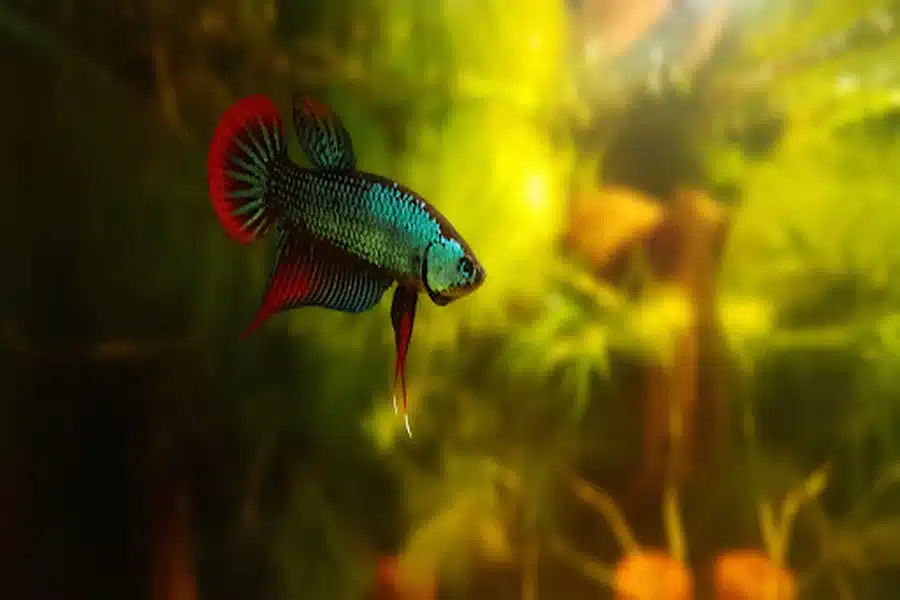
Wild betta fish reveal a side of aquatic life that often goes unnoticed. Their appearance differs greatly from the brightly colored varieties seen in pet shops. Instead of exaggerated fins and striking shades, these fish display muted tones, refined patterns, and a natural elegance shaped by their surroundings. Their appeal lies not in spectacle, but in authenticity. Observing them offers a clearer view of how life adapts and persists in undisturbed environments.
Origins and Natural Habitat
Wild type Betta fish are native to parts of Southeast Asia, where they inhabit shallow, slow-flowing waters. Rice paddies, swamps, and small ponds form their primary habitats. These waters are often warm, still, and low in oxygen. Such conditions have shaped the way these fish function and behave.
One of their most notable features is the labyrinth organ. This specialized structure allows them to breathe atmospheric air, giving them an advantage in environments where oxygen levels in the water are limited. This adaptation supports survival in places where many other fish would struggle.
Diversity Within the Betta Genus
The betta genus includes more than seventy recognized species, each presenting distinct features and behaviors. Among them, Betta splendens is the most widely known, largely because of its domesticated forms. In the wild, this species appears far less flamboyant, displaying earthy tones that help it blend into its surroundings.
Other species, such as Betta imbellis and Betta mahachaiensis, offer their own points of interest. Betta imbellis is known for a calmer temperament, which sets it apart from the territorial behavior commonly associated with bettas. Betta mahachaiensis, on the other hand, shows strong adaptation to brackish environments, illustrating how different species within the same group can thrive under varied conditions.
Behavior and Social Structure
Wild bettas are often described as calm in appearance, yet their behavior tells a more complex story. Males establish territories and defend them through visual displays. These displays involve flaring fins, expanding gill covers, and controlled movements meant to intimidate rivals.
These interactions extend beyond conflict. Courtship involves a sequence of movements where the male attempts to attract a female. The process requires coordination and timing, reflecting a level of behavioral sophistication that becomes more apparent through observation.
Bubble Nest Construction
One of the most distinctive behaviors seen in many wild betta species is bubble nest building. The male creates a cluster of bubbles at the water’s surface, using saliva to hold them together. This structure serves as a nursery for fertilized eggs.
Once spawning takes place, the male gathers the eggs and places them within the nest. He then guards the area, maintaining the structure and protecting the developing offspring. The size and condition of the nest often reflect the male’s health, which influences female selection during mating.
Environmental Pressures and Conservation
Wild betta populations face increasing pressure from human activity. Expansion of agriculture, drainage of wetlands, and pollution have reduced the availability of suitable habitats. These changes disrupt the delicate balance required for their survival.
Efforts to protect these environments include habitat restoration and responsible land use practices. Support from local communities, conservation groups, and aquarium enthusiasts contributes to raising awareness and promoting protective measures. Preserving these ecosystems safeguards not only bettas but also many other species that share the same environment.
Insights from Scientific Research
Ongoing research continues to expand understanding of wild bettas. Genetic studies have revealed how different species are related and how they have adapted over time. These findings highlight the flexibility within the genus, showing how various traits have developed in response to environmental conditions.
Behavioral studies offer another layer of insight. Observations of mating patterns, territorial behavior, and parental care help refine approaches to keeping these fish in captivity. Such knowledge supports better care standards and encourages conditions that reflect their natural environment more closely.
Keeping Wild Bettas in Captivity
Aquarists who choose to keep wild bettas often aim to recreate natural habitats within the aquarium. This involves careful attention to water conditions, plant life, and tank structure. Soft, slightly acidic water, combined with dense vegetation and shaded areas, helps replicate their native surroundings.
Diet plays a key role in maintaining their health. In the wild, bettas feed on small insects and larvae. Replicating this diet in captivity supports natural growth and behavior. Live or frozen foods are commonly used to meet these needs.
Maintaining wild bettas can present challenges. They may react strongly to changes in water quality or temperature. Their sensitivity requires consistency and careful observation. The reward lies in witnessing behavior that is rarely seen in domesticated strains, offering a deeper appreciation of their natural state.

Cultural and Ecological Significance
In regions where they originate, wild bettas hold cultural value. They are often associated with endurance and adaptability, reflecting their ability to survive in demanding environments. These traits have shaped how they are perceived and appreciated locally.
Within their ecosystems, wild bettas serve both as predators and prey. They help regulate populations of insects and small aquatic organisms, while also providing food for larger species. Their presence contributes to ecological balance, reinforcing the importance of maintaining healthy habitats.
Conclusion
Wild betta fish present a compelling study of adaptation, behavior, and ecological balance. Their understated appearance and complex interactions offer insight into life in natural aquatic settings. Continued research and conservation efforts play a key role in protecting these species and their habitats. Through careful observation and responsible practices, it becomes possible to appreciate their true nature while supporting their survival for future generations.