
Effective Techniques to Winter-Proof Your Roof and Keep Your Home Safe
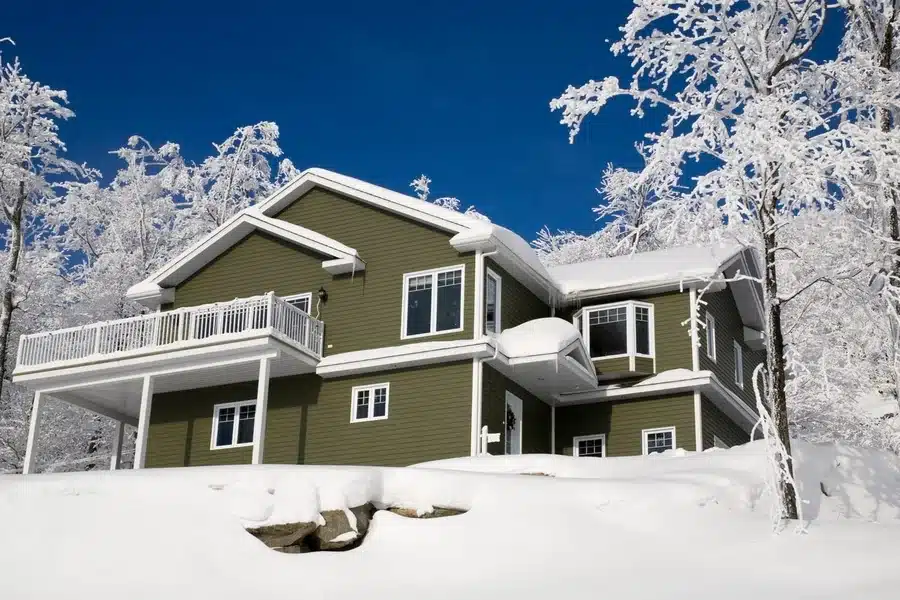
Winter weather can be your roof’s worst enemy. Ice, snow, freezing temperatures, and harsh winds create a perfect storm of conditions that can damage even the most well-built roofing systems. However, with the right preparation and proven Asset Roofing tips, you can protect your home and avoid costly repairs when spring arrives.
Preparing your roof for winter isn’t just about preventing immediate damage—it’s about preserving your home’s structural integrity and maintaining your family’s safety throughout the coldest months. This comprehensive guide will walk you through essential techniques that professional roofers use to winter-proof homes across the country.
Understanding Winter’s Impact on Your Roof
Before diving into protective measures, you need to understand how winter weather affects your roofing system. Snow accumulation adds significant weight to your roof structure, with wet snow weighing up to 20 pounds per square foot. Ice dams form when heat escapes through your roof, melting snow that then refreezes at the gutters, creating barriers that force water under shingles.
Temperature fluctuations cause roofing materials to expand and contract repeatedly, leading to cracks, loose fasteners, and compromised seals. Wind can lift shingles, tear flashing, and drive moisture into vulnerable areas. Understanding these threats helps you implement targeted protection strategies.
Essential Pre-Winter Roof Inspection
A thorough inspection forms the foundation of effective winter preparation. Start by examining your roof from the ground using binoculars, looking for missing, damaged, or curling shingles. Check for exposed nail heads, cracked caulking around penetrations, and damaged flashing around chimneys, vents, and skylights.
Inside your attic, look for signs of moisture intrusion such as water stains, mold growth, or dampness. Examine the underside of your roof deck for sagging areas that might indicate structural weakness. These Asset Roofing tips for inspection can help you identify problems before they become expensive emergencies.
Don’t forget to inspect your gutters and downspouts. Clear debris, check for proper drainage, and ensure all connections are secure. Damaged gutters can lead to ice dam formation and water backup that compromises your roof’s integrity.
Critical Maintenance Tasks Before Winter Arrives
Once you’ve identified potential issues, address them promptly. Replace damaged or missing shingles immediately, as even small gaps can allow moisture penetration that leads to extensive damage during freeze-thaw cycles. Secure loose flashing with roofing cement and replace severely damaged sections.
Clean your gutters thoroughly and install gutter guards if you don’t already have them. Proper drainage prevents ice dam formation and reduces the risk of water backup. Trim overhanging tree branches that could fall on your roof during winter storms, and remove any debris that might trap moisture.
Apply fresh caulk around all roof penetrations, including vents, chimneys, and skylights. Weather stripping and sealants deteriorate over time, and winter weather will exploit any weakness in these critical areas.
Advanced Winter Protection Strategies
Professional Asset Roofing tips include several advanced protection methods that go beyond basic maintenance. Consider installing heating cables along your roof’s edge and in gutters to prevent ice dam formation. These systems automatically activate when temperatures drop, maintaining proper drainage throughout winter.
Ice and water barrier installation provides additional protection in vulnerable areas. This self-sealing membrane goes under shingles in areas prone to ice damming, creating a waterproof barrier that prevents moisture intrusion even if ice forces water under your primary roofing material.
Proper attic ventilation and insulation work together to prevent heat loss that contributes to ice dam formation. Ensure your attic maintains consistent temperatures by sealing air leaks and maintaining adequate insulation levels. Ridge vents, soffit vents, and proper air circulation help regulate temperature and moisture levels.
Emergency Preparedness and Storm Response
Winter storms can strike with little warning, making emergency preparedness essential. Create an emergency kit that includes tarps, roofing cement, basic tools, and contact information for emergency roofing services. Know how to safely remove excessive snow loads from your roof, but remember that this task often requires professional expertise.
Establish relationships with reliable roofing contractors before you need them. Emergency repairs during winter storms are expensive and difficult to arrange, so having trusted professionals on standby is invaluable. Document your roof’s condition with photos before winter arrives to support insurance claims if damage occurs.
Monitor weather forecasts closely and take preventive action before severe weather hits. Clear gutters of ice buildup when possible, and remove snow accumulation before it becomes excessive. However, never attempt roof work during dangerous conditions—safety always comes first.
Professional vs. DIY Winter Preparation
While homeowners can handle many winter preparation tasks, knowing when to call professionals is crucial. Asset Roofing tips from experienced contractors emphasize that certain tasks require specialized knowledge and equipment. Structural repairs, extensive flashing work, and major gutter installations should be left to professionals.
DIY tasks include basic cleaning, visual inspections, and minor caulking work. However, if you’re uncomfortable working at heights or lack the necessary tools, hiring professionals is always the safer choice. The cost of professional preparation is minimal compared to major repairs caused by winter damage.
Professional roofers can identify subtle problems that untrained eyes might miss. They have access to specialized materials and tools that ensure repairs meet industry standards. Most importantly, they carry insurance that protects you from liability if accidents occur during repair work.
Long-Term Roof Health and Winter Performance
Winter preparation is part of a larger roof maintenance strategy that extends your system’s lifespan and improves performance. Regular maintenance throughout the year makes winter preparation easier and more effective. Schedule professional inspections annually, preferably in late summer or early fall.
Consider upgrading to more durable roofing materials if your current system frequently suffers winter damage. Modern shingles offer improved wind resistance and better performance in extreme temperatures. Metal roofing systems excel in snowy climates, shedding snow loads naturally and resisting ice dam formation.
Document maintenance activities and repair history to track your roof’s condition over time. This information helps you make informed decisions about repairs versus replacement, and it’s valuable documentation for warranty claims and insurance purposes.
Maximizing Your Winter Roof Protection Investment
The most effective Asset Roofing tips emphasize prevention over reaction. Spending money on proper preparation costs far less than emergency repairs or extensive damage remediation. Quality materials and professional installation pay for themselves through improved performance and longevity.
Budget for annual maintenance and set aside funds for unexpected repairs. Winter damage can occur despite the best preparation, and having resources available for prompt repairs prevents minor problems from becoming major disasters.
Consider your roof’s age and condition when planning winter protection strategies. Older roofs may need more intensive preparation or might benefit from replacement before facing another harsh winter season.
Conclusion
Winter-proofing your roof requires a combination of thorough inspection, preventive maintenance, and strategic preparation. By implementing these proven techniques and following expert Asset Roofing tips, you can protect your home from winter’s harsh effects while avoiding costly emergency repairs.
Remember that successful winter preparation starts well before the first snowfall. Begin your preparation process in late summer or early fall, allowing time to address any issues you discover. When in doubt, consult with professional roofers who can provide expert guidance tailored to your specific situation and local climate conditions.
Taking proactive steps to protect your roof this winter will pay dividends in home safety, comfort, and long-term cost savings. Your roof is your home’s first line of defense—make sure it’s ready for whatever winter brings.