
Ensuring Reliable Connectivity in Residential Buildings
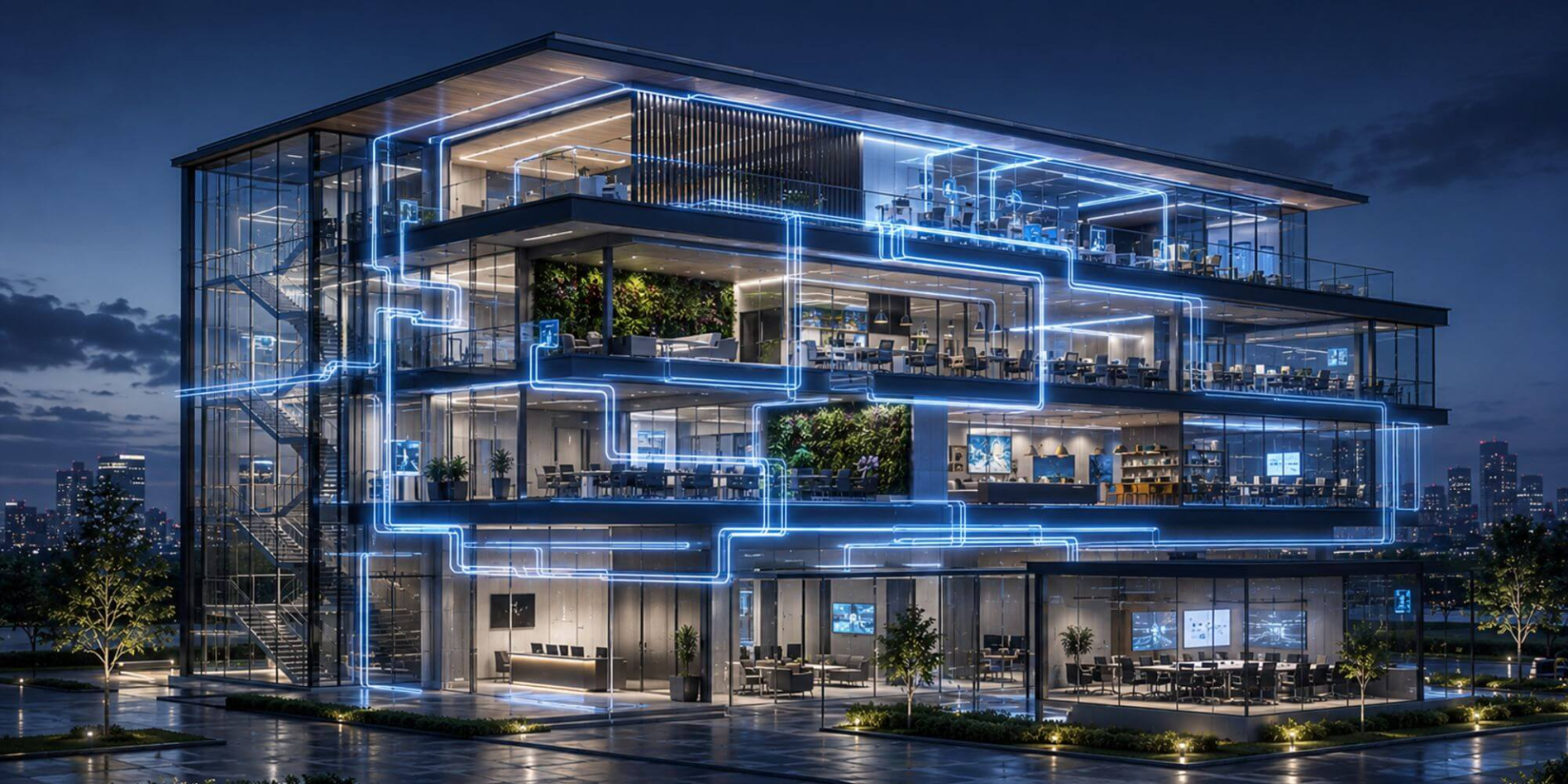
The connectivity challenge for multi-unit dwellings
Providing consistent, high-performance internet throughout a residential building is complex. Thick walls, varied layouts, and competing devices create a dynamic environment where performance can vary unit to unit and floor to floor. Property managers must balance technical constraints with budget, aesthetics, and tenant expectations. The true measure of success is not only raw speed but also stable coverage, low latency for video calls and gaming, and predictable performance during peak usage. To achieve that, a holistic approach that combines design, hardware selection, ongoing management, and clear resident communication is necessary.
Designing networks with scale and resilience in mind
Effective network design begins with a clear assessment of the building’s architecture and the typical use patterns of residents. A one-size-fits-all router in a closet rarely suffices. Instead, start by mapping out coverage needs, identifying dead zones, and estimating peak device counts. For larger properties, consider segmenting networks by function: a resident-facing wireless layer, management and IoT infrastructure, and guest access. This separation improves security and performance by prioritizing traffic and isolating sensitive operational systems. Redundancy should be built into the core. Dual uplinks to different ISPs or diverse fiber paths reduce the chance that a single outage affects all residents. Situating key network equipment in climate-controlled, secure spaces extends its life and reduces downtime risk.
Strategic hardware and placement decisions
Choosing the right mix of access points, switches, and controllers is crucial. Modern wireless systems support mesh topologies that extend coverage without complex cabling, but wired backhaul remains the gold standard for performance and reliability. Wherever possible, run Ethernet to locations where traffic converges, such as utility rooms on each floor, and use those as aggregation points. Access points should be ceiling- or wall-mounted to optimize line-of-sight and minimize signal absorption by construction materials. Select hardware with enterprise-grade features: band steering, channel optimization, and client load balancing help maintain even performance as residents join and leave the network. PoE-capable switches simplify power delivery and allow for flexible AP placement without additional electrical work. For high-density areas like shared lounges or fitness centers, choose access points rated for many simultaneous clients.
Security, privacy, and regulatory considerations
Keeping residents’ data safe is a legal and ethical obligation. Networks should enforce strong encryption, unique per-unit VLANs where appropriate, and robust authentication mechanisms. Captive portals can be useful for guest access, but they must not compromise resident isolation. Logging and monitoring must be conducted with privacy in mind: collect only what is necessary for network health and incident response, and be transparent with residents about any data retained. Compliance with local regulations concerning consumer protection and telecommunications can affect how services are offered; some jurisdictions require clear notices about service levels or outage handling. Work with legal or compliance advisors when offering bundled connectivity services to ensure contracts and terms are compliant.
Monitoring, maintenance, and proactive troubleshooting
A reliable network is actively managed. Implement centralized monitoring that alerts staff to issues such as failing uplinks, overloaded APs, or unusual traffic patterns that could indicate abuse or malware. Regular firmware updates and scheduled maintenance windows minimize security risks and keep performance optimal, but they must be communicated in advance so residents can plan around brief interruptions. Establish escalation procedures for critical incidents and ensure on-site or on-call staff can replace failed hardware quickly. Remote management capabilities reduce response time and allow technicians to diagnose problems without immediate physical access. Periodic performance audits, using real-world testing from multiple units and floors, help verify that service levels meet expectations.
Enhancing the resident experience
Speed and uptime matter, but so does how residents perceive and interact with the service. Clear onboarding instructions, straightforward Wi-Fi naming conventions, and simple password management reduce support calls and frustration. Provide guidance for common issues, such as how to relaunch a connection or where to place a personal router if they need extra range. When offering shared or building-wide internet as an amenity, set transparent expectations about speeds, fair use policies, and any limits on high-bandwidth activities. For residents who need guaranteed performance for remote work or streaming, consider offering tiered packages or the option to purchase dedicated wired connections. Solicit feedback through periodic surveys to identify pain points and prioritize improvements that yield the greatest impact.
Partnerships and future-proofing
Long-term reliability often depends on strong vendor and ISP relationships. Work with service providers that offer service-level agreements tailored to multi-unit properties. When selecting equipment vendors, prioritize those with strong support, a track record in multi-tenant deployments, and clear upgrade paths. Technology evolves rapidly: Wi-Fi standards, encryption protocols, and mesh capabilities improve every few years. Plan for periodic refresh cycles instead of attempting to stretch older equipment until failure. Consider modular solutions that allow incremental upgrades to backhaul, access points, and management platforms. Finally, build infrastructure with flexibility in mind so that future amenities—such as building-wide smart services or managed Wi-Fi for community spaces—can be integrated without major rework.
Delivering consistent value over time
Reliable connectivity in residential buildings is a long-term commitment, not a one-off installation. When network design aligns with resident needs and building realities, it becomes a differentiator that enhances tenant satisfaction and retention. Landlords and property managers who invest in solid infrastructure, thorough monitoring, and responsive support create an environment where digital life is seamless. For properties offering connectivity as an included amenity, a well-managed network can reduce maintenance headaches and serve as a visible benefit in marketing materials. Practical planning, continuous improvement, and an emphasis on resident experience will keep networks performing well as demands evolve and technologies advance. Many landlords now offer property wifi as a selling point, and delivering on the promise requires the strategies outlined here.