
Most people don’t think twice about next-day delivery
How Overnight Delivery Changed the Way Truck Drivers Sleep, and Why It Matters
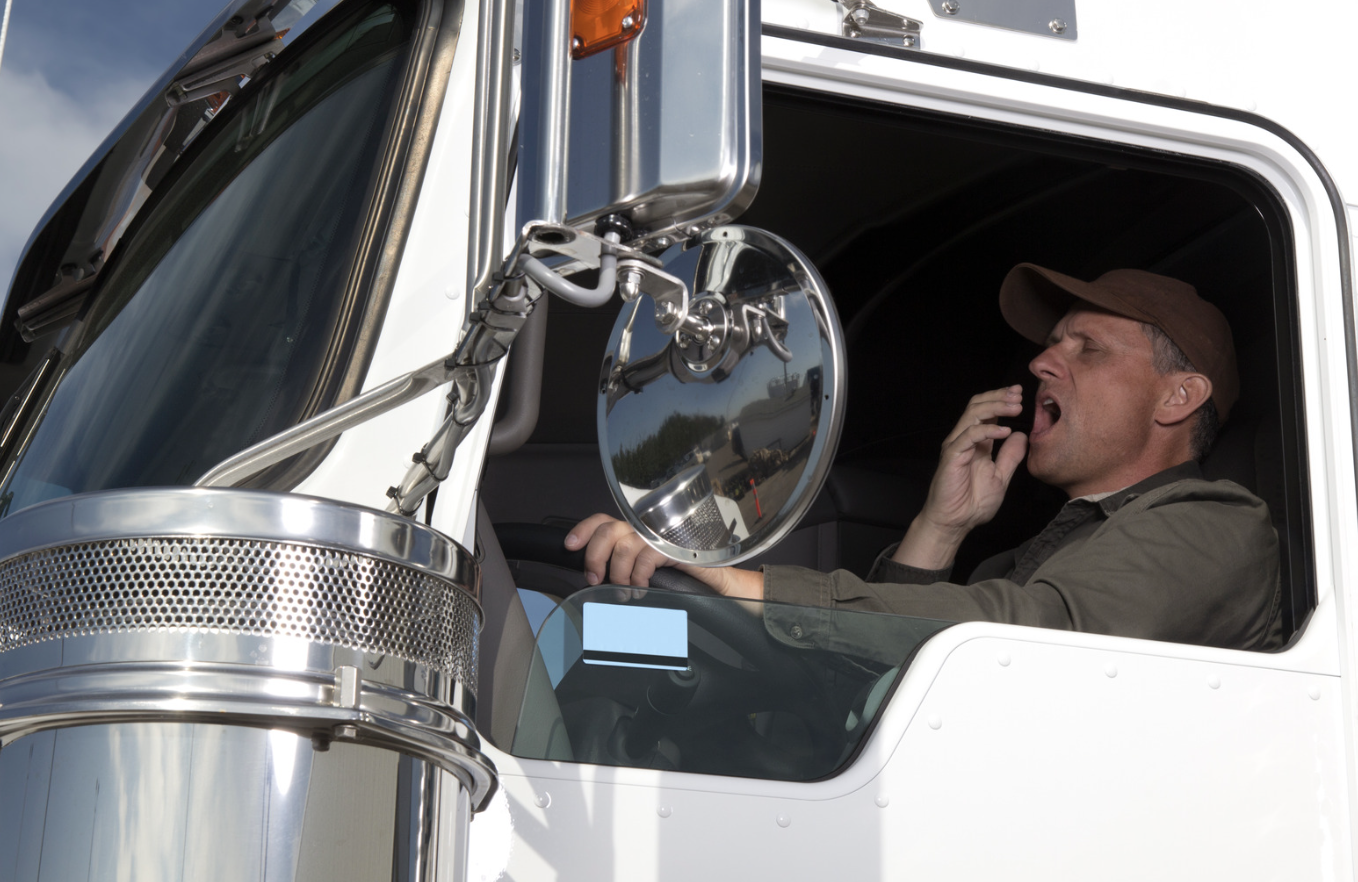
Most people don't think twice about next-day delivery. You order something at midnight, it shows up by tomorrow afternoon, and that's just how things work now. But behind that convenience sits a driver who's probably running on a schedule that fights against every instinct their body has.
Fatigue is one of the leading contributors to serious truck crashes, and it's not going away anytime soon. With Houston serving as one of the nation's busiest freight and logistics hubs, commercial drivers routinely move cargo through the region's ports, distribution centers, and major highways under demanding delivery schedules. When fatigue plays a role in a collision, the investigation often extends far beyond what the driver did behind the wheel to include scheduling practices, Hours-of-Service compliance, and company oversight.
Sutliff & Stout, a Houston truck accident law firm known for securing significant truck accident settlements, has extensive experience investigating these complex factors to determine how fatigue contributed to a crash. That experience has contributed to the firm's reputation as one of the top Houston truck accident lawyers for handling complex cases.
The Rise of Overnight Delivery Changed More Than Consumer Expectations
E-commerce didn't just grow. It exploded, and it dragged the whole logistics industry along with it. Customers expect speed now, not eventually, and distribution centers have to start running 24/7 just to keep up.
That shift rippled through the entire supply chain. Freight networks reorganized. Distribution centers never really "close" anymore. Long-haul trucking and last-mile delivery both had to bend around tighter windows.
Here's the thing, though. Delivery speed didn't just increase shipping volume. It changes when trucks move, and more importantly, when the people driving them actually sleep.
Why Truck Drivers Sleep Differently Today
Humans are wired to sleep at night. That's not opinion, that's circadian biology. So when a driver's schedule flips to overnight runs, their body doesn't just adjust and move on. It fights back.
Sleep gets fragmented. Drivers end up trying to rest during daylight hours, which messes with sleep quality even when the hours technically add up. And truck stops aren't exactly built for peaceful sleep either. Noise. Heat. Parking that's often scarce or nonexistent.
Fatigue isn't only about how many hours someone slept. It's about when they slept and how good that sleep actually was.
Why Federal Hours of Service Rules Cannot Eliminate Fatigue
The Federal Motor Carrier Safety Administration sets daily driving limits, mandatory breaks, and weekly caps, all tracked through Electronic Logging Devices. On paper, this looks like a solid system.
But being legally compliant doesn't mean a driver is actually rested. That's an important distinction, maybe the most important one in this whole conversation. Hours available aren't the same thing as alertness. A driver can check every box on the log and still be dangerously tired.
How Fatigue Changes Driving Performance
Fatigue slows reaction time. It clouds decision-making. It causes lane drifting, and in the worst cases, microsleep, those brief moments where the brain essentially shuts off for a second or two while the eyes stay open.
Some research has drawn comparisons between fatigue impairment and alcohol impairment, and the similarities aren't small. Slower reflexes. Reduced awareness. Poor judgment.
Now picture that behind the wheel of an 80,000-pound tractor-trailer. The margin for error basically disappears.
Why Overnight Delivery Increases Pressure Beyond Driving Hours
It's not just about hours on the road. There's operational pressure, too. Tight schedules. Weather delays. Traffic congestion. Loading delays push everything else back.
Then there's company pressure. Delivery contracts, performance metrics, and customer expectations that don't leave much room for flexibility.
And on top of all that, drivers carry their own pressure. Income depends on making runs. Lost time costs money. Limited parking means sometimes there's nowhere to legally stop, even when they need to.
The pressure rarely comes from one place. It comes from the entire logistics system working together, sometimes against the driver's own well-being.
How Investigators Determine Whether Fatigue Played a Role
When driving fatigue is suspected after a crash, investigators dig deep. Electronic Logging Device records. Dispatch communications. GPS history. Fuel receipts. Cell phone records. Maintenance records. Driver qualification files. Company safety history.
These cases often involve more than one potentially liable party. It's rarely just the driver. Sometimes it's the company that sets an unrealistic schedule, or a dispatcher who keeps pushing despite warning signs.
Why This Matters for Houston Drivers
Houston sits at the center of some seriously heavy freight corridors. I-10, I-45, and I-69, plus constant port traffic feeding warehouses and distribution centers throughout the region.
That kind of overnight freight movement means Houston drivers share the road with fatigued commercial trucks more often than most people realize. It's not a hypothetical risk. It's just Tuesday night on I-45.
What Drivers Can Do Around Fatigued Commercial Trucks
You can't control how tired a truck driver is, but you can control how you drive around them.
- Give trucks extra following distance, more than feels necessary.
- Avoid lingering in blind spots, especially alongside the trailer.
- Watch for lane drifting, a subtle but real warning sign.
- Stay extra cautious during overnight hours when fatigue risk peaks.
- Report dangerous driving if it's safe to do so.
Next-day delivery depends on a transportation network that basically never sleeps, even though the people running it need to. Faster shipping has become an everyday convenience, sure, but it also places real demands on truck drivers whose sleep, alertness, and decision-making directly affect everyone else sharing the road with them.
When a truck accident happens, and fatigue might've contributed, investigators usually look at more than just the driver's actions in the moment. Dispatch schedules, company policies, electronic logs, and other records can reveal whether systemic pressure was really behind the wheel that night.