
European Design Details Designers Are Borrowing Right Now
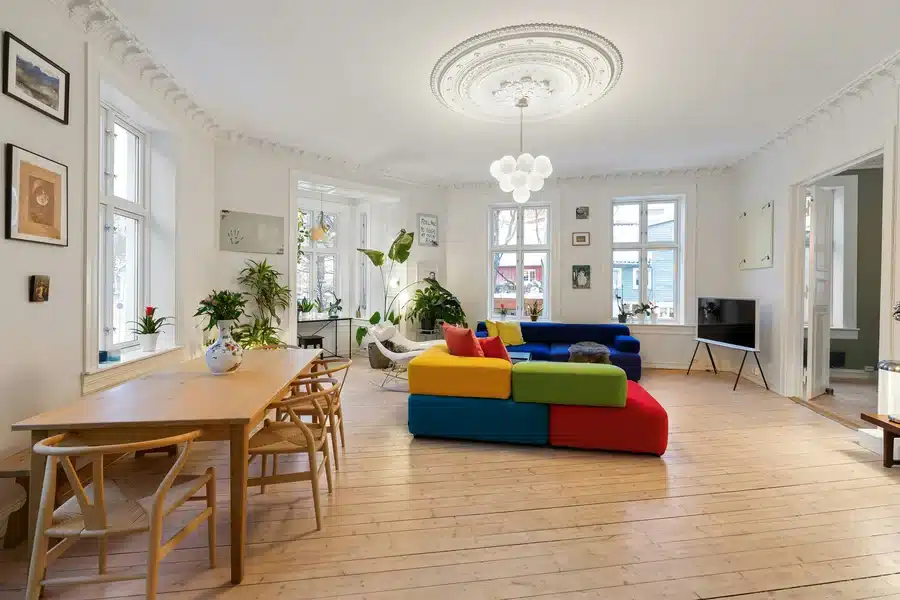
European interiors have long held a fascination for designers around the world. They carry a sense of history, artistry, and refinement that is difficult to replicate elsewhere. What makes European design so compelling is its layering of time, culture, and craft: a richness born from centuries of aesthetic evolution. Today’s designers are borrowing selectively from these traditions, adapting elements that feel timeless and sophisticated to modern homes without simply copying history.
European interiors offer lessons not just in style but in the careful consideration of proportion, materials, and narrative. Each detail, from the choice of flooring to the molding on a ceiling, carries meaning and purpose. In contemporary projects, these details are reinterpreted with a fresh look, resulting in spaces that feel both familiar and innovative.
Flooring That Speaks to History
Flooring is often the first place designers look to European traditions for inspiration. Patterned stone, parquet wood, and intricate tile work have long defined grand European homes, creating rhythm and texture underfoot. These surfaces serve as both functional elements and storytelling devices, conveying a sense of place and continuity.
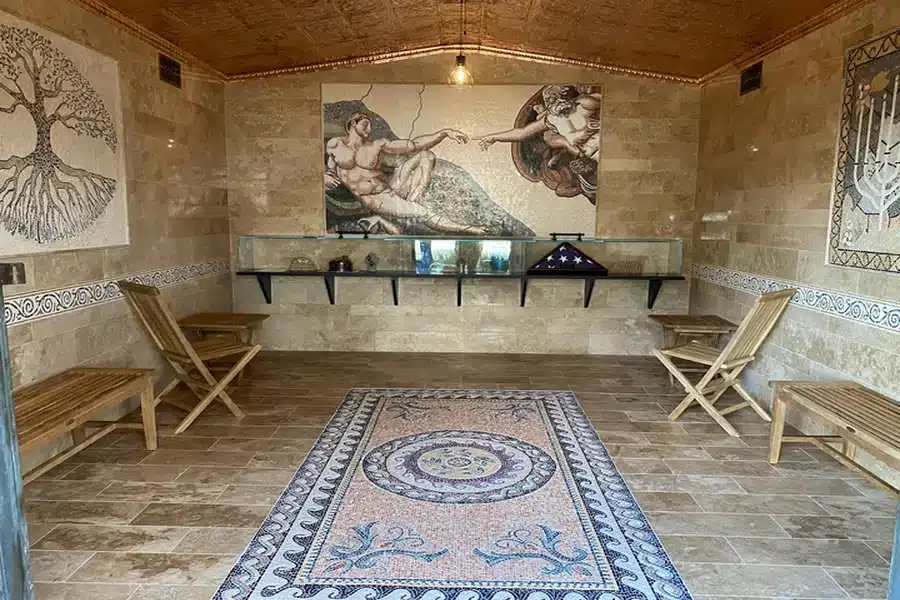
In modern interpretations, designers are translating these concepts into unexpected contexts. A marble mosaic rug, for example, can define a living area with the precision of a traditional carpet but with the permanence and textural depth of stone. This approach celebrates craft while introducing a tactile and visual anchor that feels both historic and contemporary. The effect is subtle yet unmistakable, offering a sense of grounded luxury that resonates with European sensibilities.
The Art of Wall Treatments
European interiors frequently embrace wall treatments that extend beyond mere paint or wallpaper. Paneling, frescoes, and decorative plaster contribute depth and personality to spaces, inviting touch as well as sight. Designers today are revisiting these approaches, seeking ways to layer walls with texture and narrative without overwhelming a room.
Ancient mythology mosaics are an especially compelling source of inspiration. Their intricate storytelling, vibrant yet harmonious color palettes, and meticulous craftsmanship offer lessons in how a wall can be both decorative and meaningful. Contemporary designers borrow these ideas to create feature walls or focal points that feel curated rather than manufactured, embedding history and artistry into spaces that are otherwise clean and modern.
Ceilings That Capture Attention
In Europe, ceilings are rarely neutral afterthoughts. From Baroque plasterwork in Italy to exposed beams in northern France, ceilings articulate style, hierarchy, and atmosphere. Designers are increasingly recognizing ceilings as opportunities to introduce surprise and elegance. Painted or textured treatments, layered molding, or coffered designs draw the eye upward, transforming ordinary rooms into immersive experiences.
The goal is rarely to recreate history. Instead, designers extract the principles, such as proportion, rhythm, and scale, and apply them in ways that enhance contemporary spaces. A modern living room might feature subtle moldings or a gently coffered ceiling that references classical architecture while remaining understated enough for everyday life.
Furniture and Upholstery
European interiors have a rich history of furniture that balances formality and comfort. French Louis and Italian Renaissance pieces exemplify proportion, craftsmanship, and detail. While authentic antiques may be out of reach for many, designers borrow the underlying principles of scale, symmetry, and materiality to guide modern furniture choices.
Contemporary reinterpretations often involve clean lines paired with luxurious materials, such as velvet or leather, to echo traditional richness without feeling dated. Attention to detail in upholstery, joinery, and finishes conveys subtle refinement, creating the sense that each object has a story or lineage, much like the grand European homes that inspired them.
Decorative Accessories and Art
Accessories are where European influence becomes highly personal. Designers today borrow from European traditions by integrating objects with narrative, texture, and craft. From handcrafted ceramics to antique mirrors, these elements convey history and personality.
Artworks, in particular, offer opportunities for both beauty and storytelling. A room may incorporate a contemporary piece alongside a classical reference, creating a dialogue between eras. In some projects, mosaic artworks are employed to add texture and narrative; a mosaic wall can serve as both focal point and conversation starter, blending artistry with everyday function. These decisions demonstrate that European influence is less about replication and more about attitude toward visual layering and cultural reference.
Kitchens and Dining Spaces
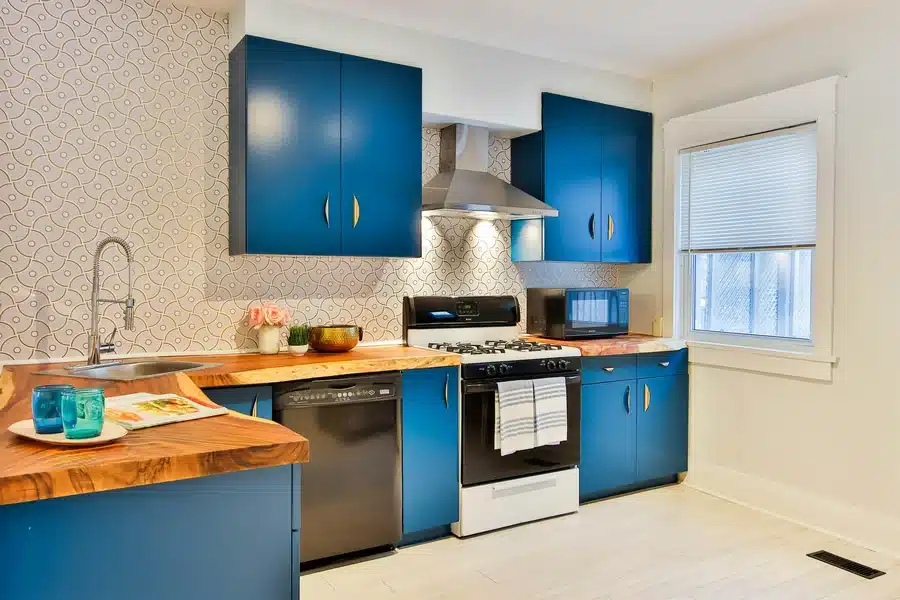
European kitchens are often designed with both utility and conviviality in mind. The kitchen is not only a place for cooking but for gathering, storytelling, and ritual. Designers are translating these principles by emphasizing flow, proportion, and the use of enduring materials. Stone countertops, wood cabinetry, and well-scaled islands provide tactile engagement while supporting everyday life.
Dining spaces benefit from a similar philosophy. Tables are central not merely as surfaces but as gathering points, often paired with lighting and seating that reinforce proportion and intimacy. Even small details, like the finish of a brass handle or the texture of a wooden chair, are carefully considered to create cohesion. These are lessons borrowed directly from European homes, where every element serves both practical and aesthetic purposes.
Lighting With Subtlety and Drama
Lighting in European interiors is rarely neutral. Chandeliers, sconces, and natural daylight are orchestrated to create layers of light and shadow. Designers today borrow this layered approach, emphasizing indirect, ambient, and accent lighting to sculpt space and mood.
The effect is not ostentatious. Light highlights materiality, guides attention, and enhances the sense of narrative in a room. When paired with textured surfaces like plaster, stone, or mosaics, lighting adds depth and intimacy, revealing nuance that a flatly lit space would never convey.
Bathrooms That Elevate Daily Rituals
Bathrooms are the spaces where European principles are applied in modern homes. Historically, bathhouses and private bathing spaces emphasized ritual, craftsmanship, and luxury. Contemporary designers adopt similar values, creating spaces that prioritize experience over mere utility.
Surfaces are crucial. Stone, brass, and wood are often combined for tactile interest. Feature walls or shower enclosures may incorporate mosaic tiles, while a mosaic shower wall can create a visual centerpiece. These surfaces encourage mindfulness and attention, transforming a routine activity into a moment of care. The emotional resonance of the space mirrors the thoughtfulness European interiors have long emphasized.
Textiles and Layering
European interiors excel at layering texture and material. Rugs, throws, cushions, and curtains are carefully chosen to complement underlying architecture and surfaces. Even when color is restrained, texture creates depth and interest.
The mosaic rug, reinterpreted in modern projects, exemplifies this layering. While inspired by stone mosaics of Europe, it functions as both visual anchor and tactile surface, introducing pattern without overwhelming the room. This approach highlights the European understanding of detail: even functional elements contribute to overall richness.
Outdoor Connections
European design often blurs the boundary between indoor and outdoor living. Courtyards, terraces, and balconies are treated as extensions of interior space, with consistent materiality and proportion. Designers borrowing from these traditions focus on continuity and flow, using paving, planters, and seating to create spaces that feel both connected and intimate.
Outdoor elements are also opportunities for artistic expression. Handmade elements, whether integrated in paving or decorative walls, can reinforce a home’s narrative, echoing historical European traditions of integrating craft into everyday surroundings.
The Balance Between History and Modernity
What makes European design continually compelling is its adaptability. While rooted in history, it is not static. Designers today borrow selectively, extracting principles of proportion, craftsmanship, and narrative rather than just copying decorative motifs. The result is interiors that feel grounded yet still contemporary. Materials are carefully curated, textures are emphasized, and art is integrated thoughtfully.
Designers today are not merely copying European interiors; they are interpreting them. By understanding what makes these details enduring, they create spaces that honor history while meeting the needs of contemporary life. Each choice, from a mosaic wall to a well-proportioned ceiling, becomes part of a subtle narrative that elevates everyday experience.