
Hong Kong’s Yachting Boom: Ambitions, Challenges, and What’s Next

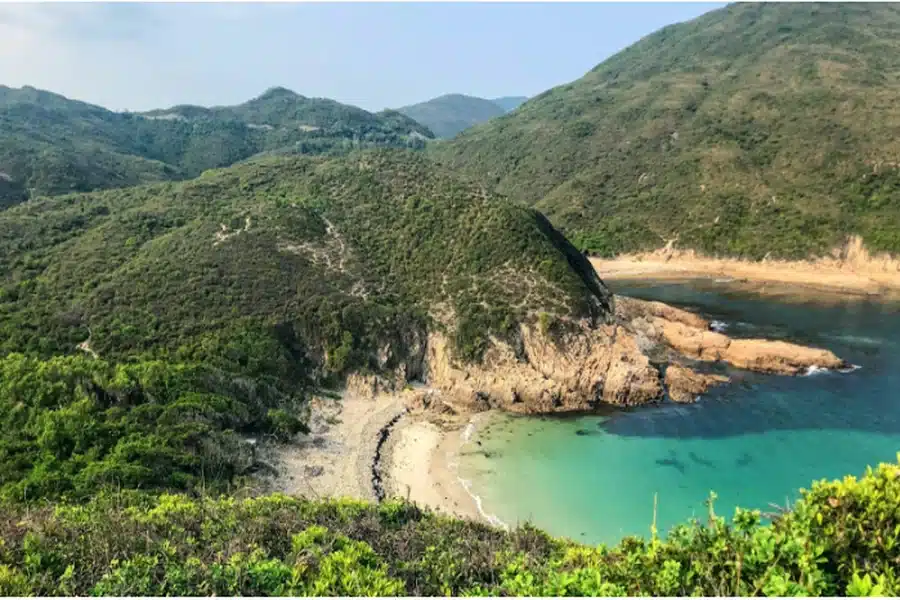
Hong Kong has become a hot spot in Asia for yachting, thanks to its natural edge for all things maritime. If you close your eyes and picture the city, chances are you’ll see its famous harbour lined with soaring skyscrapers. It’s not just the skyline that impresses; Hong Kong also stretches along a dramatic coastline, complete with a scattering of islands, all nodding to its seafaring background.
Add in the buzz of a global city, and it’s easy to see why luxury yachts are attracted here. The catch? The city is struggling to keep up with demand as far as yacht berths go. Despite a sharp jump in registered vessels—from just over 10,000 in 2019 to more than 12,500 by the end of last year—there aren’t enough places to moor them.
Now, with more focus on building new facilities, Hong Kong looks set to make better use of its seaside charm, hoping to reel in more luxury yacht tourism in the near future.
Hong Kong’s Strategic Developments in Yachting
Hong Kong’s push to grow its yachting scene has sparked major projects on the waterfront, with new and upgraded marinas such as Ex-Lamma Quarry Marina and Airport City Yacht Bay leading the charge. These developments will bring fresh life to unused areas while giving yacht lovers more places to dock their vessels in style.
Take the Ex-Lamma Quarry Marina on Lamma Island. What used to be an industrial patch is now in line to become a luxury destination, expected to have space for 150 to 200 yachts up to 50 metres long. Beyond just boat parking, the plan includes shops, restaurants, and leisure spaces to tempt both yacht owners and curious wanderers.
The Airport City Yacht Bay, just by Hong Kong International Airport, is on an even grander scale. With more than 500 berths, it’s sizing up to host some of the biggest superyachts around. The idea is to link marine and air travel, topped off with premium shopping and top-class hospitality, to pull in high-end tourists who want it all in one trip.
Together, these facilities are set to strengthen Hong Kong’s place on the global yachting map. By expanding marina options and upping the local offering, Hong Kong hopes to attract wealthier visitors who are big spenders in sectors from boating to retail. There’s also a boost for regional tourism, as these improved connections make it easier for visitors to hop between Hong Kong and the rest of the Greater Bay Area.
Government Initiatives and Industry Support
The Hong Kong Boating Industry Association (HKBIA) is energetic in championing marine leisure, making its voice heard for local boaters and industry businesses. With over 60 active members and close connections to the International Council of Marine Industry Associations, the HKBIA helps keep conversations moving forward. Its efforts have pinpointed 11 key sites around Hong Kong that could be developed into new marine leisure hotspots, covering everything from private moorings to full-scale marinas.
A significant contributor to this dynamic landscape is Simpson Marine’s presence in Hong Kong, which adds depth to the region’s yachting services and supports the growing demand for marine leisure.
HKBIA doesn’t just talk; it brings people together. Events like the June 2025 workshop with the Royal Hong Kong Yacht Club welcome a host of marine stakeholders, from yacht operators to water sports providers—all contributing ideas and setting real plans in motion.
Government backing also plays a big part. By drawing on Hong Kong’s expansive 722 km coastline and its 263 offshore islands, officials are working alongside industry players to make the city easier for leisure boaters to enjoy. Recent moves include simplifying outdated regulations, ensuring better access to boat berths and safe vessel facilities, and drafting a practical game plan for new marine infrastructure.
With more than 12,500 leisure boats already out on the water, plus plenty of mooring spots and nine marinas in operation, the combined effort from government and industry signals that Hong Kong is sailing confidently towards being Asia’s go-to destination for marine leisure and yachting tourism.
Challenges and Opportunities
Hong Kong’s luxury yacht scene is booming, and that spells big chances—as well as plenty of headaches. One of the biggest upsides? With more and more luxury yachts on the go, there’s a desperate need for new berths and better marina services. Just look at the numbers: since 2019, the count of registered auxiliary-powered yachts in Hong Kong has jumped from just over 10,000 to around 12,500. It’s clear the demand for mooring spots is sky high.
The government has taken note, focusing on places like the Aberdeen Typhoon Shelter and the former Lamma quarry site for expansion. These projects are meant to ease the mooring crunch and pull in more visitors with cash to splash. If all goes well, new marinas could pump fresh life into local shops, restaurants, and hotels that cater to yacht owners and their guests.
But growth is never as simple as just building more docks. Adding new facilities and more yachts means thinking about the environment, especially when it comes to protecting Hong Kong’s striking coastlines and fragile marine life. There’s also the local community to consider—people living near new marinas need to see real benefits, not just bigger crowds.
The future of luxury yachting here depends on getting this balance right. The trick is to build up the industry in a way that supports the economy, looks after the environment, and keeps residents in the loop—so Hong Kong’s waterfront remains a win for everyone.
Economic and Tourism Impacts
Yacht tourism has massive upside for both Hong Kong’s hospitality and retail scene. Giving the waterfront a facelift isn’t just about squeezing in extra berths; it’s about welcoming a whole new crowd who have the means to spend big. By drawing in well-heeled visitors, Hong Kong brings in more money for hotels, shops, and all sorts of local businesses.
People who arrive by yacht are used to enjoying the finer things – think five-star dining, luxury shopping, and memorable experiences around town. Superyacht guests, in particular, have a reputation for splashing out on designer goods, gourmet meals, and top-tier entertainment. Their appetite for luxury often means busier high-end hotels, posh restaurants, and the sort of retailers who stock the latest must-haves.
As luxury marine travel becomes part of Hong Kong’s identity, it opens up the city to new kinds of tourism. This matters even more as Hong Kong bounces back from recent tough times. Projects like Airport City Yacht Bay and improvements at Aberdeen Typhoon Shelter don’t just improve marina space; they also tie into other industries like aviation and urban retail, boosting the city’s overall attraction.
Welcoming more affluent travellers tends to lift spending well beyond the docks. It spells more jobs and growth in related sectors, from catering to events and transport. Hong Kong isn’t just chasing a spot on Asia’s yachting map; it’s carving out a fresh kind of tourism experience, where city energy blends smoothly with life on the water.
Looking Towards a Vibrant Maritime Future
Hong Kong is putting serious energy into turning itself into Asia’s top spot for marine leisure. With a 456km coastline around Kowloon and the New Territories, plus a further 722km circling its many offshore islands, the city has plenty of natural appeal for boating fans.
The Hong Kong Boating Industry Association (HKBIA) is leading the charge, uniting industry voices and pushing hard for policies that actually help boaters. Thanks to their efforts, backed by government action, 11 new locations have now been picked out as promising sites for private moorings and new marinas. This means a much bigger capacity for the city’s swelling community of boat owners, who already operate over 12,500 leisure vessels.
On the practical side, the government has begun to cut red tape, pour funds into marine facilities, and make it simpler for people to get out on the water. What’s more, there’s a clear focus on bringing together everyone from water sports businesses to tourism operators. This way, the whole marine sector can move forward, not just one piece of it.
Gatherings like the HKBIA’s recent workshop with the Royal Hong Kong Yacht Club show how this joint approach is bringing real ideas to the table. As long as this momentum and solid communication between government and the industry continues, Hong Kong’s future as a busy, exciting hub for marine leisure looks bright—both in the Greater Bay Area and further afield.