
How Dust Buildup Inside Furnaces Affects Repair Frequency Over Time
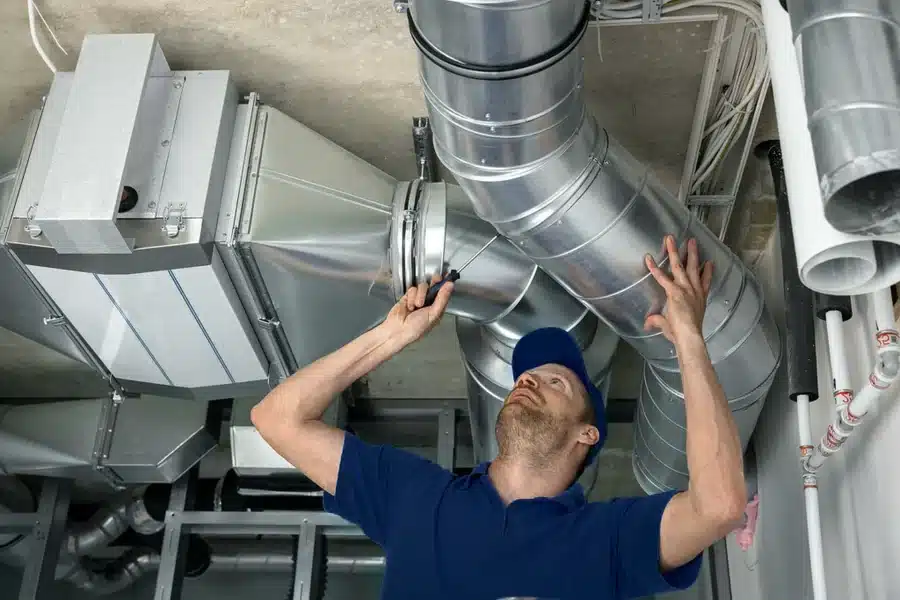
Dust accumulation inside furnace systems is often overlooked until performance begins to decline, yet its effects build gradually over time. When particles settle on internal components, airflow is restricted, heat transfer is reduced, and strain increases in mechanical parts. This combination of reduced efficiency and added stress can gradually shorten the unit’s operational life. Homeowners may notice uneven heating, higher energy use, or more frequent breakdowns as dust layers thicken.
Understanding how this buildup develops is essential for maintaining consistent heating performance and avoiding repeated interruptions that could have been prevented with timely attention and proper system care overall
Dust Effects on Furnace Systems
-
How Dust Accumulates Inside Furnaces
Dust enters furnace systems through return-air pathways, small gaps in ductwork, and everyday household activities. Once inside, fine particles begin settling on filters, blower assemblies, and heat exchangers. Over time, these layers become thicker, creating uneven surfaces that interfere with normal airflow. As airflow becomes restricted, the system compensates by working harder, which increases internal strain. This added resistance also leads to temperature inconsistencies as heat transfer becomes less efficient. In many cases, dust accumulation starts subtly, making it difficult to notice until performance issues appear.
The buildup process is continuous, especially in environments with high dust levels or infrequent filter replacement. As particles collect, they can mix with moisture and form compact deposits that are harder to remove. These deposits reduce circulation efficiency and place additional pressure on internal components designed for smooth, uninterrupted operation. Regular monitoring can significantly slow this accumulation.
-
Dust Effects on Mechanical Strain
Dust buildup inside furnace components does more than reduce airflow; it directly affects mechanical strain across the system. As particles accumulate on moving parts such as blower wheels and motor housings, friction levels increase, and components must operate under heavier loads. This persistent strain accelerates wear patterns that would otherwise develop slowly over many years. Electrical components can also be affected when dust settles on wiring connections, leading to inconsistent conductivity and occasional performance interruptions. Temperature regulation becomes less stable as sensors struggle to read conditions accurately through layers of debris.
In many cases, homeowners may notice that the system cycles more frequently or struggles to maintain set temperatures. Over time, these issues can lead to recurring service needs, often requiring a Furnace repair service to diagnose and address the underlying buildup-related complications. If ignored, the continued stress can reduce overall system reliability and shorten the functional lifespan of critical furnace components.
-
Airflow Disruption and Heat Loss
When dust collects within furnace ducts and internal chambers, it disrupts the natural movement of heated air throughout the system. This disruption leads to uneven temperature distribution in different areas of a building, causing some rooms to feel warmer while others remain cooler. The furnace must then operate for longer cycles to reach the desired temperature, increasing energy consumption and overall system strain. Heat exchangers covered in dust are less effective at transferring warmth, which reduces the efficiency of the entire heating process. In addition, restricted airflow can cause overheating within the furnace, triggering safety shutoffs or temporary malfunctions.
These interruptions not only affect comfort but also place additional pressure on internal components. As the system continues to compensate for blocked airflow, wear patterns begin to develop that may require corrective maintenance to restore balanced heating performance over time. Timely cleaning reduces long-term operational stress and improves consistency overall.
-
Increased Repair Frequency Over Time
As dust accumulation continues over months and years, furnace systems gradually require more frequent attention to maintain stable operation. Small inefficiencies that begin as minor airflow restrictions often evolve into recurring performance issues that cannot be ignored. Components such as igniters, motors, and sensors may experience increased strain from continuous exposure to particulate buildup. This can lead to intermittent failures that appear without warning, prompting repeated maintenance visits. In many cases, the system no longer operates within its original efficiency range, requiring more frequent adjustments and corrections to restore basic functionality.
Homeowners may notice that repair needs become more common, even when no major breakdown has occurred. The underlying cause is often linked to long-term dust exposure, which gradually alters the system’s balance. Without consistent cleaning routines, the accumulation continues unchecked, creating a cycle in which minor issues develop into recurring service requirements that increase overall maintenance demands. Costs rise steadily.
-
System Lifespan and Efficiency Decline
Over time, persistent dust accumulation inside furnace systems contributes to a gradual decline in overall performance and operational lifespan. As internal components become increasingly coated with debris, the system loses its ability to transfer heat efficiently and maintain steady airflow. This decline does not occur suddenly but progresses through a series of small inefficiencies that compound over extended periods. Energy consumption often rises as the furnace works harder to maintain the same heating output, placing additional stress on mechanical and electrical components.
Eventually, the system may reach a point where consistent performance can no longer be maintained without frequent adjustments and corrective interventions. Even routine operation becomes less reliable, with fluctuations in temperature and airflow becoming more noticeable. The long-term impact of dust exposure underscores the importance of maintaining clean internal conditions to preserve efficiency and reduce unnecessary strain on the entire heating system. Regular upkeep matters.
Dust buildup inside furnace systems plays a significant role in determining how often repairs are needed. As particles accumulate, they interfere with airflow, increase mechanical strain, and reduce heating efficiency, all of which gradually increase the need for maintenance. What begins as minor residue can evolve into persistent operational challenges that affect both performance and reliability. Regular attention to internal cleanliness helps slow these effects and supports stable operation across changing conditions. By recognizing the long-term impact of dust, homeowners can better manage system health and reduce unnecessary interruptions in heating performance throughout the year.