
Pilates for Core Strength: Why It Works Better Than Crunches
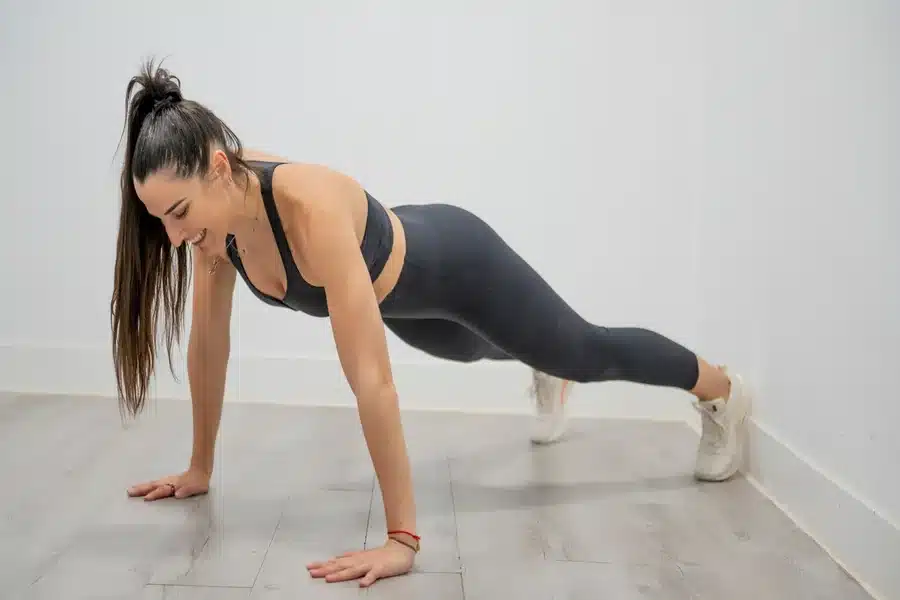
Building a strong and stable core is vital for improving overall fitness, maintaining good posture, and reducing the risk of injury. While traditional exercises such as crunches were once considered the go-to solution for abdominal strength, many modern fitness professionals and physiotherapists now recommend Pilates as a more balanced and effective approach. Across Australia, particularly in cities like Melbourne and Sydney, Pilates continues to grow in popularity as a low-impact yet powerful way to enhance strength, flexibility, and body awareness.
Unlike crunches, which mainly work the rectus abdominis, commonly known as the “six-pack” muscle, Pilates Classes focus on activating the deep stabilising muscles that support the spine and pelvis. This holistic method not only develops visible abdominal strength but also improves posture, balance, and functional movement, helping people move more safely and efficiently in their daily lives.
Understanding the Core: More Than Just Abs
The term “core” often conjures images of toned abdominals, but the core is far more complex. It consists of a network of muscles including the transverse abdominis, internal and external obliques, pelvic floor muscles, and multifidus muscles of the lower back. These muscles work together to stabilise the spine, protect internal organs, and support efficient movement patterns.
Crunches primarily isolate the rectus abdominis and neglect the deeper stabilising muscles. While they can improve the appearance of the abdomen, they do little to enhance overall core stability or functional strength. Pilates, in contrast, engages both superficial and deep muscles, creating a balanced and resilient core that improves performance in sports, daily activities, and posture maintenance.
How Pilates Targets the Core
Pilates exercises focus on controlled, precise movements coordinated with breathing, which maximises muscle engagement. Movements are designed to activate the deep stabilisers, often called the “inner core,” rather than relying solely on the outer abdominal muscles.
Common core-focused Pilates exercises include:
- The Hundred: A controlled breathing exercise that engages the transverse abdominis and deep stabilisers.
- Plank Variations: Modify traditional planks to improve spinal alignment and shoulder stability.
- Roll-Up and Roll-Down: Strengthens the abdominal muscles while promoting spinal articulation.
- Leg Circles: Engages the core while improving hip stability and flexibility.
These exercises incorporate multiple planes of movement, targeting the core muscles dynamically rather than in isolation. This approach improves functional strength and coordination, making it more applicable to real-life movements than repetitive crunches.
Benefits Beyond Muscle Tone
Pilates offers a range of benefits that extend beyond aesthetics:
- Improved Posture: Pilates encourages proper spinal alignment and strengthens postural muscles, reducing the risk of back pain.
- Enhanced Stability: Strengthening the deep core muscles improves balance and coordination, essential for daily activities and sports performance.
- Reduced Risk of Injury: A strong, stable core protects the spine and joints, reducing strain during lifting, bending, or twisting.
- Flexibility and Mobility: Pilates combines core strengthening with stretching, promoting greater mobility in the spine, hips, and shoulders.
- Mind-Body Connection: Controlled movements and focused breathing enhance body awareness, improving movement efficiency and mental focus.
Unlike crunches, which can place repetitive strain on the neck and lower back, Pilates emphasises safe, low-impact movement that is suitable for a wide range of fitness levels, including beginners and those recovering from injury.
Pilates vs. Crunches: A Comparative Perspective
While crunches focus on a single muscle group, Pilates exercises integrate multiple muscles simultaneously, promoting functional strength. Crunches also rely on momentum rather than precise control, which can lead to poor form and limited engagement of the deep core.
Pilates, on the other hand, emphasises:
- Control: Each movement is deliberate, reducing the risk of strain or injury.
- Alignment: Proper body mechanics ensure the spine and joints are supported throughout exercises.
- Breath: Coordinated breathing enhances muscle activation and oxygenation.
- Progression: Exercises can be modified or intensified as strength improves, providing continual challenge and development.
For these reasons, Pilates provides a more comprehensive, sustainable, and functional approach to core strength than traditional crunches.
Choosing the Right Pilates Practice
For beginners, attending a class with a certified instructor ensures exercises are performed safely and effectively. Many studios in Melbourne, Sydney, and other Australian cities offer both mat and Reformer Pilates, with Reformer equipment adding resistance and additional support for deeper core activation.
Consistency is key. Practicing Pilates two to three times per week over several months delivers measurable improvements in core strength, posture, and stability. Combining Pilates with complementary exercises, such as resistance training or low-impact cardio, can further enhance overall fitness.
Final Thoughts
Pilates has emerged as a superior method for building a strong, stable, and functional core compared with traditional crunches. By targeting deep stabilising muscles, improving posture, and promoting mindful movement, Pilates offers a holistic approach to core fitness that benefits strength, flexibility, and injury prevention.
Whether you are a beginner seeking gentle but effective core engagement or an athlete looking to enhance performance, Pilates provides a versatile, low-impact, and results-driven solution. For Australians seeking long-term core strength, improved posture, and enhanced overall wellbeing, incorporating Pilates into your fitness routine is a strategy that delivers measurable and lasting benefits.