
Signs Your Furnace Is Quietly Breaking Down Before Winter Hits
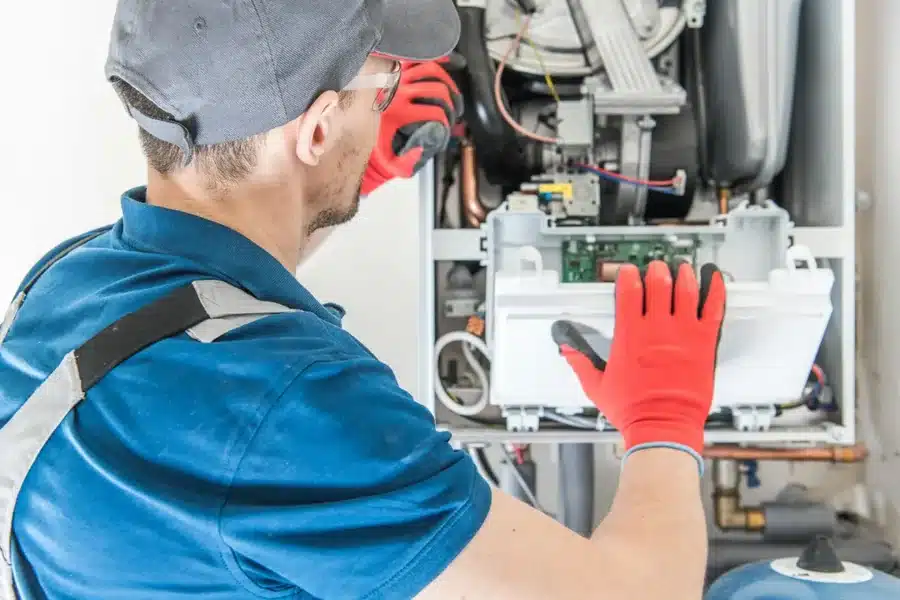
As colder months approach, many households rely heavily on their heating systems without giving them much thought until something goes wrong. A furnace rarely fails without warning, even though the early signals can be subtle and easy to overlook. Small changes in heating performance, unusual behavior, or rising energy use often indicate deeper mechanical issues developing inside the system.
Paying attention to these early signs can help prevent sudden breakdowns during the coldest days of the year, when repair demand is high, and comfort is urgent. Understanding what your furnace is trying to communicate can save both time and discomfort.
Early Indicators to Watch
Weak Changes That Signal Furnace Trouble Ahead
Uneven heating is one of the earliest and most overlooked indicators that a furnace is starting to struggle. Some rooms may feel warm while others remain noticeably cooler, even when the system is running continuously. This often points to airflow restrictions, duct issues, or a declining blower motor that is no longer pushing air efficiently through the home. Another subtle sign is the furnace running longer than usual to reach the same temperature setting. When this happens, it suggests the system is losing efficiency and compensating for internal wear.
Dust accumulation around vents or increased indoor dryness can also indicate declining performance. These issues tend to develop gradually, making them easy to ignore until the system becomes unreliable. In many cases, homeowners only realize the extent of the problem when comfort levels drop significantly. At that point, attention from a Furnace repair service becomes necessary to prevent further deterioration and restore consistent heating performance before winter conditions worsen.
Unusual Noises and Hidden Mechanical Strain
Strange sounds coming from a furnace are often early warnings of internal stress or component wear. While heating systems are not completely silent during operation, any new or unusual noise deserves attention. Banging, rattling, or high-pitched squealing can indicate loose parts, worn belts, or expanding metal components struggling under heat cycles. A furnace that once operated quietly but now produces persistent mechanical sounds may be experiencing aging bearings or a failing blower assembly. Even low humming noises that increase in intensity over time can signal electrical strain or motor fatigue.
These sounds may seem minor at first, but they often reflect underlying issues that gradually worsen if left unaddressed. Homeowners sometimes adjust to these noises without realizing they are signs of declining system health. Over time, the added stress can lead to more serious breakdowns that affect the entire heating cycle. Regular observation of these changes helps prevent sudden failure during peak winter usage.
Rising Energy Use Without a Clear Reason
A furnace that begins consuming more energy without any change in usage patterns is often signaling internal inefficiency. When components wear down, the system must work harder and longer to produce the same level of warmth, which directly affects utility bills. This can happen when filters become clogged, burners lose efficiency, or airflow is restricted by dust buildup. Sometimes the thermostat may not communicate properly with the furnace, causing unnecessary cycling and increasing energy consumption. Homeowners may initially assume seasonal temperature changes are responsible for higher bills, but consistent increases often point to mechanical decline.
This gradual rise in energy usage is particularly concerning because it reflects hidden strain rather than visible malfunction. Ignoring this sign can lead to more extensive damage over time as the system continues operating under inefficient conditions. Monitoring energy patterns closely can help identify problems early and reduce the risk of costly repairs later in the season.
Frequent Cycling and Irregular Operation
A healthy furnace typically follows a consistent heating cycle, turning on and off at predictable intervals to maintain temperature. When this cycle becomes irregular, it can indicate that the system is struggling to maintain balance. Short cycling, where the furnace turns on and off too quickly, often points to overheating, sensor issues, or airflow restrictions. On the other hand, excessively long cycles may suggest that the furnace is unable to reach the desired temperature efficiently. Both patterns place additional stress on internal components and reduce overall system lifespan.
These irregular operations may also create temperature fluctuations throughout the home, making indoor comfort inconsistent. In some cases, thermostat miscommunication can contribute to cycling issues, but persistent irregularities usually point to deeper mechanical problems. When ignored, these patterns can accelerate wear on the system and increase the likelihood of unexpected failure in colder weather, when consistent heating becomes essential.
Declining Air Quality and Indoor Comfort Changes
Changes in indoor air quality often accompany a failing furnace. Increased dust circulation, dry air, or a slight musty odor can indicate that the system is not filtering or distributing air properly. When filters become clogged or internal components collect debris, airflow becomes restricted, and contaminants can circulate more easily throughout the home. Some households may also notice an increase in allergy-like symptoms during furnace operation, which can be linked to reduced air quality control.
Additionally, the air may feel less comfortable even when the temperature is set correctly, suggesting that humidity and distribution are no longer balanced. These changes often develop slowly, making them easy to dismiss as seasonal variations. However, consistent shifts in air quality usually point to underlying furnace inefficiencies. Addressing these signs early can help restore healthier indoor conditions and prevent further strain on the heating system as winter demand increases.
Pilot Light and Ignition Irregularities
The pilot light or electronic ignition system plays a crucial role in furnace operation, and any inconsistency in its behavior should not be ignored. A pilot light that flickers, changes color, or frequently goes out may indicate issues with gas supply, ventilation, or thermocouple performance. In modern systems, ignition failures can manifest as repeated start attempts without successful heating output. These irregularities can disrupt the entire heating cycle and place stress on other components as the system repeatedly tries to restart.
In some cases, airflow problems or dirt buildup around ignition components contribute to unreliable operation. While these issues may start small, they often worsen over time and can eventually prevent the furnace from functioning altogether. Closely observing ignition behavior provides valuable insight into the system’s internal condition. Early attention to these signals helps prevent sudden heating loss during cold weather, when system reliability is especially important for household comfort.
A furnace rarely stops working without showing early signs of trouble, and recognizing these indicators can make a significant difference in maintaining home comfort during colder months. Subtle changes in airflow, energy use, sound, and temperature consistency often reveal underlying mechanical issues that develop over time. When these signals are ignored, they tend to progress into larger system failures that are more disruptive and costly to address. Paying attention to how the furnace behaves throughout the season helps ensure that small issues are managed before they escalate.
Consistent monitoring, combined with timely action, supports better performance and longer system life. As winter approaches, awareness of these warning signs becomes an important part of keeping indoor environments stable, safe, and comfortable without unexpected interruptions in heating performance.