
Smart Ways Small Businesses Reduce Risk
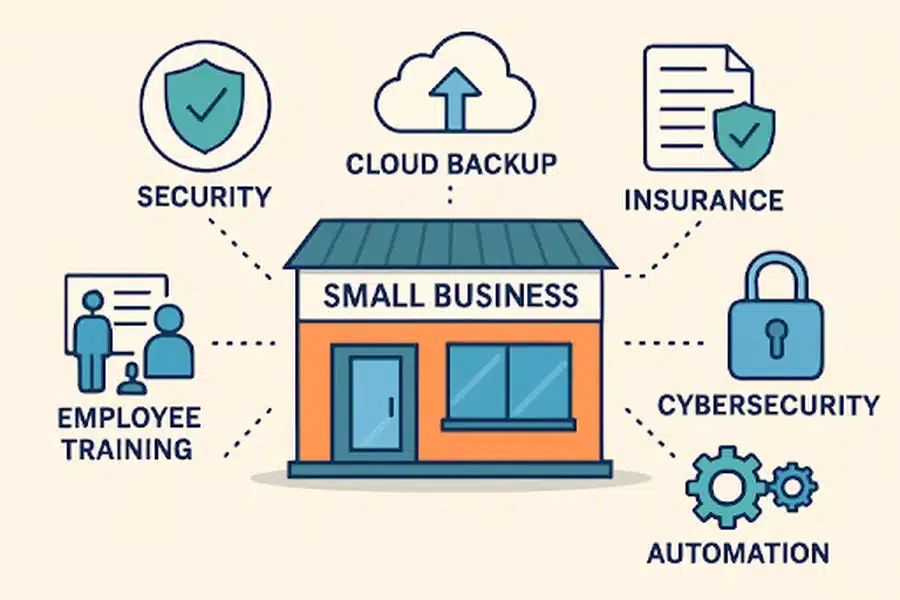
Key Takeaways
- Implementing multi-factor authentication (MFA) enhances security and helps prevent unauthorized access.
- Regular data backups and secure storage are crucial for recovering from accidental loss and targeted attacks.
- Comprehensive insurance coverage helps mitigate financial risks associated with lawsuits, disasters, or cyber events.
- Employee training reduces human error and strengthens overall defenses against both old and new threats.
- Leveraging cloud-based solutions offers cost-effective security, scalability, and reliable infrastructure.
Small businesses are exposed to a range of risks, including the fast-evolving landscape of cyber threats, loss of sensitive customer data, operational disruptions, and potentially devastating natural disasters. With tight margins and limited resources, entrepreneurs must be particularly diligent in protecting their assets, clients, and reputations. Building resilience requires proactive planning and a layered approach to risk management, ensuring the business can recover from incidents that might otherwise threaten its survival. One of the most essential foundations is securing robust general liability coverage, which protects businesses from the financial impact of lawsuits, property damage claims, and other related liabilities. Reducing risk requires a comprehensive strategy that includes digital and physical security, staff education, modern technologies, and effective crisis responses. Strategic planning, combined with updated safety measures, is essential for protecting a business’s financial interests and reputation. Although risk management can seem overwhelming to business owners, implementing proven measures to address current vulnerabilities enables small businesses to ensure continuity, build trust, and promote long-term growth.
Enhancing Cybersecurity Measures
The surge in cyberattacks against small businesses highlights the urgent need for robust, strategic security measures. Unlike large corporations, small firms often manage without dedicated IT teams, making them attractive targets for criminals seeking easy entry points and quick rewards. Multi-factor authentication (MFA) is one of the simplest, most cost-effective tools available—adding a required step beyond a password, such as a text code or fingerprint. Even if a cybercriminal manages to steal a password through phishing or data breaches, MFA can prevent unauthorized access to sensitive business and customer data. Maintaining regular and secure data backup protocols is just as critical. The well-known 3-2-1 backup strategy—keeping three copies of data on two different types of media, with one stored offsite or in the cloud—offers comprehensive protection against loss from ransomware, theft, hardware failures, or major disasters, such as fire and flooding. Consistent testing of backup systems ensures data can actually be restored when needed, eliminating the fear of empty promises from rarely checked storage devices. According to the Cybersecurity and Infrastructure Security Agency (CISA), implementing layered security is a best practice for all organizations, regardless of size. This means running updated antivirus and antimalware software, deploying business-class firewalls, keeping operating systems and apps current with security patches, and regularly auditing user access levels to prevent privilege creep. Combining these measures strengthens overall business continuity and can make the difference between a resilient operation and a crippled enterprise after a security incident.
Securing Comprehensive Insurance Coverage
Insurance remains a critical component in protecting small businesses against the various financial setbacks they may face, including third-party liability claims, property damage, equipment loss, and theft. However, insurance needs evolve as businesses grow and the risk environment changes. It’s essential for owners to routinely review their coverage to ensure it addresses all areas of exposure—especially assets like inventory, critical equipment, and the often-overlooked risk of business interruption, which can force even successful companies to shut their doors if left unaddressed. Working with a knowledgeable insurance professional can help tailor policies to fit the unique needs of each business. This step is vital to preventing the costly consequences of underinsurance or missing out on essential riders for newly emerging risks, such as cyberattacks or employment-related issues. The landscape of threats is constantly shifting, so periodic policy reviews remain best practice. For more in-depth tips on choosing adequate coverage, refer to this comprehensive Forbes business insurance guide. Staying proactive enables business owners to anticipate and address new risks before they escalate into financial setbacks. With the right coverage in place, small businesses can operate with confidence and long-term stability.
Investing in Employee Training
Human error is consistently cited as a leading cause of both cybersecurity breaches and workplace mishaps. That’s why ongoing training and education programs are essential. Teaching staff about cybersecurity fundamentals—how to spot phishing emails, use strong passwords, follow best practices for software updates, and safely handle sensitive data—significantly reduces the risk of an internal misstep leading to a crisis. Regular refresher courses keep these skills sharp and ensure awareness remains high, even as cybercriminals constantly update their tactics. Risk reduction training should include more than IT security. Addressing physical safety protocols, discrimination and harassment prevention, crisis communication, workplace wellness, and even mental health can empower employees to act wisely in any situation. Simulation-based training, such as phishing tests or evacuation drills, brings lessons to life and provides valuable feedback. Embedding a risk-aware culture throughout the organization fosters a team that’s proactive, attentive, and dedicated to ensuring the business runs smoothly.
Leveraging Cloud-Based Solutions
Cloud-based platforms have unlocked new advantages for small businesses seeking security, agility, and operational efficiency without heavy upfront investment. Top-tier cloud vendors invest heavily in their security infrastructures, offering features such as end-to-end encryption, continuous vulnerability monitoring, automatic software updates, and backup redundancy. For smaller firms, these protections would otherwise require significant time, money, and expertise to achieve independently. Cloud services also centralize access controls for apps, data, and internal communications, making it easier to secure confidential material and keep a close watch on account permissions across the company. Many solutions include audit logs, compliance tools, and automated alerts that flag suspicious or unauthorized activity. According to Inc., selecting reputable cloud providers can also help businesses meet growing regulatory requirements—such as GDPR or HIPAA—while minimizing infrastructure and staffing costs, and transferring some risk to proven partners.
Implementing Automated Systems
Rapid business growth often leads to an increase in repetitive, manual tasks—many of which can be automated to reduce the risk of human errors and free up valuable employee time. Automated backup and disaster recovery systems ensure that sensitive data is automatically saved according to schedule, reducing the likelihood of costly data loss following incidents such as cyberattacks or natural disasters. When systems are set to back up and recover data autonomously, small businesses can focus on quickly restoring operations rather than worrying that something important was overlooked during a crisis. Automated patch management is another security essential. Unpatched vulnerabilities in software represent one of the easiest ways for criminals to infiltrate a network. Tools that scan for updates and install them automatically across devices and servers minimize the residual risk left by outdated software. Compliance monitoring tools, likewise, can notify managers of regulatory gaps or suspicious actions, helping businesses remain audit-ready and aligned with industry standards without significantly increasing their workload or labor costs.
Considering Cyber Insurance
The increasing sophistication, frequency, and cost of modern cyber threats mean that cyber insurance is rapidly becoming an indispensable safeguard for many small businesses. Cyber insurance policies typically cover financial losses related to cyber incidents—such as data breaches and ransomware attacks—including legal fees, notification costs, digital forensics, and even public relations expenses to help restore a damaged reputation. Many insurance providers also offer ongoing support, such as incident response teams and expert consultations, helping to strengthen the company’s cyber defenses after a claim. When reviewing available policies, decision-makers need to scrutinize coverage options (first-party versus third-party), payout limits, deductibles, and any exclusions to ensure there are no unexpected gaps that could leave critical functions or assets exposed at a crucial moment. Meeting requirements for cyber insurance can also encourage stronger security policies throughout the business, benefiting operations overall.
Conclusion
Risk is an unavoidable reality for small business owners, but with a thoughtful, proactive approach, the impact of many types of threats can be minimized. By securing the proper liability coverage, enhancing digital defenses, automating critical systems, and investing in professional development for employees, businesses lay a foundation for ongoing safety and sustainable growth. A comprehensive risk management plan enables small businesses to respond quickly to crises, maintain customer trust, and capitalize on new opportunities with confidence. Adopting these innovative, practical strategies doesn’t simply ensure protection—it positions any business for resilience and success in today’s unpredictable world.