
What Common Injuries Occur in Pedestrian Accidents, and How Claims Cover Them
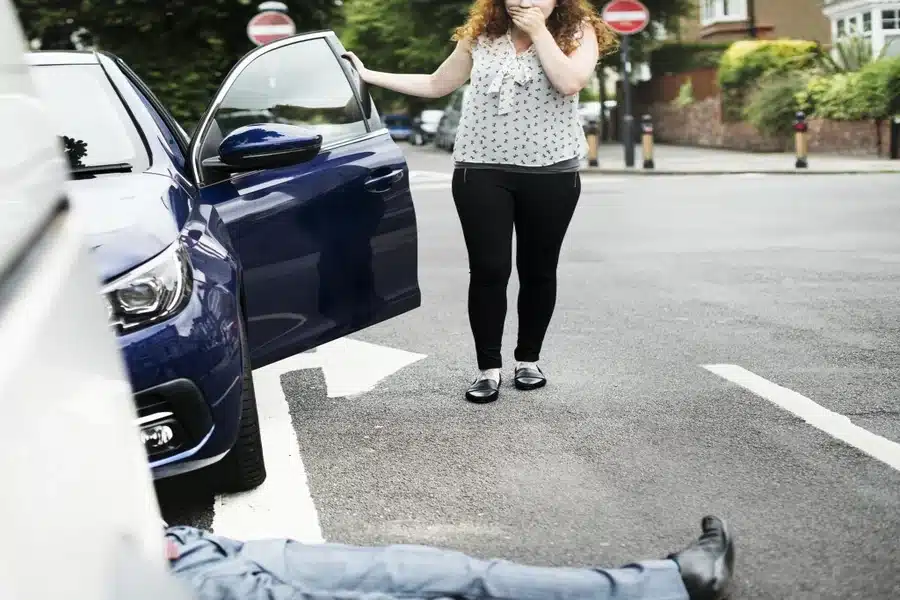
Raleigh is a growing city known for its vibrant downtown, expanding neighborhoods, and active community life. With more people walking to work, school, parks, and entertainment areas, pedestrian traffic has increased across the city.
Unfortunately, as vehicle and foot traffic continue to intersect, pedestrian accidents remain a serious concern. When these incidents occur, working with a Raleigh pedestrian accident lawyer can be an important step toward understanding your rights and pursuing compensation.
Pedestrian accidents often result in severe injuries because walkers have little to no physical protection when struck by a vehicle. Even low-speed collisions can lead to long-term physical, emotional, and financial consequences.
Understanding the most common injuries associated with pedestrian accidents and how personal injury claims address them can help victims and families navigate the recovery process with greater clarity.
Head and Traumatic Brain Injuries
Head injuries are among the most serious and common outcomes of pedestrian accidents. Victims may strike the vehicle, the pavement, or nearby objects during impact. Traumatic brain injuries can range from concussions to permanent brain damage that affects memory, speech, and cognitive function.
Personal injury claims typically cover emergency treatment, hospital stays, diagnostic imaging, rehabilitation, and ongoing medical care related to head injuries. In more severe cases, compensation may also account for long-term disability, future medical expenses, and loss of earning capacity.
Spinal Cord and Back Injuries
Pedestrian accidents frequently result in back and spinal injuries due to the force of impact. These injuries can include herniated discs, nerve damage, and spinal cord trauma that may cause partial or complete paralysis. Even less severe back injuries can lead to chronic pain and mobility limitations.
Claims related to spinal injuries often include coverage for medical treatment, physical therapy, assistive devices, and home modifications if needed. If the injury prevents a victim from returning to work or performing daily activities, compensation may also address lost wages and reduced quality of life.
Broken Bones and Fractures
Fractures are extremely common in pedestrian accidents, especially in the legs, arms, hips, and ribs. The lower extremities are particularly vulnerable when a vehicle strikes a pedestrian at street level. Broken bones can require surgery, immobilization, and extended recovery periods.
Personal injury claims can cover the cost of surgeries, follow-up care, physical therapy, and any complications that arise during healing. Compensation may also include time missed from work and pain and suffering associated with the injury.
Internal Injuries and Organ Damage
Internal injuries are often not immediately visible but can be life-threatening. Damage to organs such as the lungs, liver, spleen, or kidneys may occur due to blunt force trauma. These injuries frequently require emergency intervention and ongoing monitoring.
Injury claims address the full scope of treatment for internal injuries, including emergency care, hospitalization, surgical procedures, and future medical needs. Because internal injuries can have lasting effects, claims may also factor in long-term health complications.
Soft Tissue Injuries
Soft tissue injuries include damage to muscles, ligaments, and tendons. While they may seem less severe than fractures, these injuries can cause significant pain and long-term limitations. Whiplash, sprains, and deep bruising are common in pedestrian accidents.
Compensation for soft tissue injuries often covers medical visits, physical therapy, pain management, and lost income during recovery. Claims also consider how these injuries affect daily life and overall mobility.
Emotional and Psychological Trauma
The impact of a pedestrian accident is not limited to physical injuries. Many victims experience anxiety, depression, post-traumatic stress, or fear of walking near traffic after an accident. Emotional trauma can interfere with work, relationships, and overall well-being.
Personal injury claims may include compensation for mental health treatment, counseling, and emotional distress. Recognizing the psychological impact of an accident is an important part of the recovery process.
How Claims Help Support Recovery
Pedestrian accident claims are designed to make injured individuals as whole as possible after an accident. This includes covering medical expenses, lost wages, future care needs, and non-economic damages such as pain and suffering. A thorough claim considers both immediate and long-term consequences of injuries.
Key Takeaways
- Pedestrian accidents often cause severe injuries due to lack of physical protection.
- Common injuries include head trauma, spinal damage, fractures, and internal injuries.
- Claims can cover medical expenses, rehabilitation, and future care needs.
- Compensation may include lost wages and pain and suffering.
- Emotional and psychological injuries are also considered in pedestrian accident claims.