
What Makes It ‘Specialized’? A Deep Dive into Modern Oil Water Separator Technology
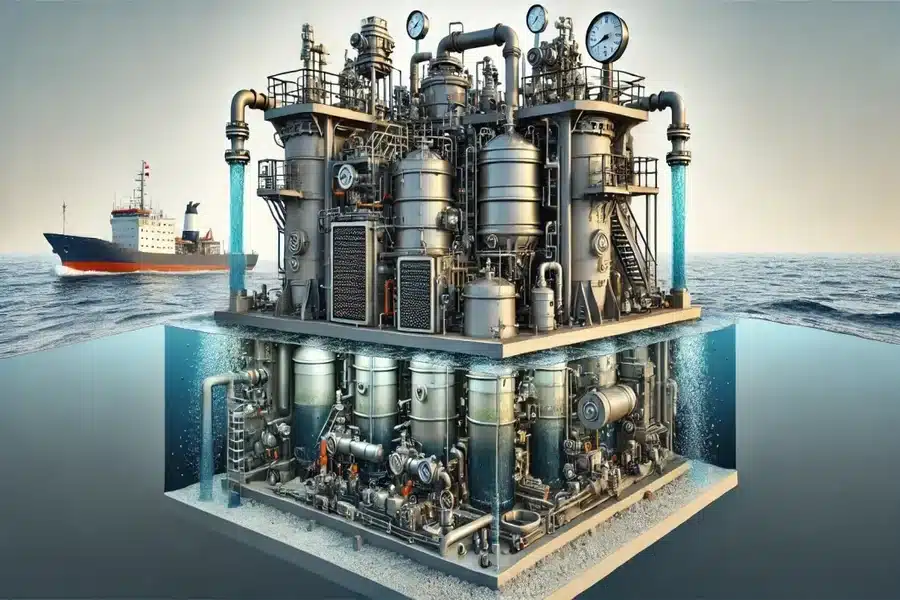
The global demand for responsible wastewater management has never been greater. Across industries, stringent environmental regulations and rising operational pressures are forcing businesses to look beyond basic solutions. Hydrocarbon contamination in industrial wastewater is a pervasive and challenging issue, and failure to address it properly is not an option.
While the fundamental principle of oil-water separation is simple, achieving the efficiency, reliability, and compliance required today demands highly specialized technology. These advanced systems are far removed from the simple gravity tanks of the past. This article explores the defining characteristics of modern oil water separators and reveals what truly makes them “specialized.”
Key Takeaways
- Modern oil-water separators go beyond basic gravity, employing advanced coalescing media and high-force methods for superior oil removal down to 20 microns or less.
- Specialized systems are built with durable, corrosion-resistant materials like high-quality fiberglass and offer extensive warranties, ensuring longevity and low maintenance.
- These advanced technologies guarantee strict environmental compliance, significantly reduce operational costs, and offer versatile solutions for diverse industrial applications.
- The latest specialized separators integrate smart features, enabling real-time monitoring and improved reliability while prioritizing energy efficiency.
The Unseen Essential: Why Oil-Water Separation is Non-Negotiable
For any facility that produces oily wastewater, an effective separation system is a cornerstone of responsible operations. This isn’t just about environmental stewardship; it’s a matter of legal and financial survival.
Regulatory Imperative: Strict federal and state regulations, such as the Clean Water Act and various EPA standards, govern the discharge of wastewater. These laws make high-performance oil-water separator (OWS) systems a legal necessity, not a choice.
Environmental Protection: The impact of oil on water on ecosystems is devastating. It harms wildlife, contaminates water sources, and disrupts delicate aquatic environments. Modern separators are a critical line of defense in safeguarding these natural resources.
Financial Stakes: The consequences of failure are severe; non-compliance can result in hefty fines, shutdowns, or legal liability for environmental harm. Investing in a reliable system is a proactive measure to protect your bottom line.
At its core, an oil-water separator is an engineered system designed to do exactly what its name implies. But the simplicity of the name belies a wide range of sophisticated designs tailored for different flow rates, site constraints, and regulatory demands. Understanding the primary configurations is the first step in appreciating modern advancements. For example, systems can be installed above ground for easy access, below grade to save space, or flush with the existing surface. To see a comprehensive range of oil water separators engineered for these diverse needs, explore how these different separator configurations are engineered.
From Simple Boxes to Sophisticated Systems: The Evolution of Oil Water Separator Technology
The journey from basic settling tanks to today’s high-performance systems reflects a continuous drive for greater efficiency and reliability.
The Baseline – Gravity Separation: The earliest and most fundamental method relies on Stokes’ Law. Because oil is less dense than water, it will naturally rise to the surface over time, allowing it to be skimmed off. This principle forms the basis of all OWS technology.
Inherent Limitations: However, simple gravity separators are inadequate for modern demands. Their performance is limited because they struggle to remove small oil droplets (typically anything less than 150 microns) and cannot handle emulsified oils where the oil and water are chemically bonded. This slow, passive process also requires a very large footprint to be even moderately effective.
Early Enhancements: The first attempts to improve performance involved adding simple baffles and weirs inside the separation tank. While these additions helped guide the water flow and provided some surface area for oil to collect, they still fell short of achieving the high-efficiency effluent quality required by modern standards.
This gap between capability and necessity was the driving force for innovation. Stricter environmental regulations and the critical need for higher separation efficiency spurred the development of the advanced, “specialized” technologies that define modern OWS systems.
The Anatomy of a ‘Specialized’ Separator: Key Technological Advancements
Advanced Coalescing Media: The Heart of Efficiency
The single most significant leap in OWS technology was the development of advanced coalescing media. Instead of passively waiting for oil to rise, these systems actively encourage separation.
Coalescence is the process where tiny, suspended oil droplets are forced to collide and merge—or “coalesce”—into larger droplets. Once these droplets become large and buoyant enough, they separate from the water rapidly under the force of gravity. Modern coalescers use specialized media, often made of oleophilic (oil-attracting) materials, to create a vast surface area that captures and combines these micro-droplets.
Superior Materials and Engineering: Built to Last
A specialized separator isn’t just about what’s inside; it’s also about how it’s built. The harsh industrial environments where these systems operate demand robust construction that can withstand corrosion and chemical exposure for decades.
The industry has largely moved beyond basic steel tanks, which are prone to rust and degradation. Today’s advanced separators utilize superior materials like high-quality fiberglass. This material offers exceptional corrosion resistance, is completely rustproof, and is significantly lighter than steel, which simplifies transportation and installation. For specific applications, stainless or carbon steel with high-performance epoxy coatings are also used.
This commitment to quality engineering is reflected in the product’s lifespan. Leading manufacturers back their systems with extensive guarantees, such as a 30-year structural warranty on many models. This isn’t just a promise; it’s a testament to the durability and engineering confidence built into every specialized unit, ensuring decades of reliable service.
High-Force Separation: Hydrocyclones and Centrifuges
For the most demanding applications, gravity alone isn’t enough. High-force separation technologies like hydrocyclones and centrifuges use powerful mechanical forces to achieve rapid and precise separation. These systems create a vortex that subjects the oily water to immense G-forces, dramatically accelerating the separation process.
The power of this technology is staggering. According to one technical source, “centrifugal forces generated inside the vortex of de-oiling hydrocyclone separators are of the order of 1,000 times the force of gravity, allowing removal of oil droplets as small as 15 microns.” These systems are often employed in challenging environments like offshore oil platforms or specialized industrial processes where extremely fine separation is required in a compact footprint.
Smart Technology: The Rise of IIoT-Enabled Systems
The latest evolution in OWS technology is the integration of smart systems and the Industrial Internet of Things (IIoT). These advancements are transforming separators from passive tanks into active, intelligent assets.
IIoT-enabled systems allow for real-time remote monitoring of performance, automated controls, and predictive maintenance alerts. This reduces the need for constant on-site supervision and helps prevent unexpected failures. Advanced systems feature IIoT-enabled monitoring and modular cartridge design for maximum process and functional reliability.
Furthermore, modern separators can be equipped with a suite of enhancements for improved functionality and safety, including integrated control panels, oil and water level switches, freeze protection for cold climates, and automated pump packages.
The Real-World Impact: How Specialization Translates to Results
These technological advancements aren’t just features on a spec sheet; they deliver tangible, real-world benefits that impact a company’s compliance, budget, and overall operations.
Guaranteed Compliance & Peace of Mind: Specialized separators are engineered to consistently meet or exceed the most stringent discharge limits. By delivering reliable performance, these systems help businesses adhere to regulations set by bodies like the EPA for oil-water separators and avoid the risk of hefty fines and shutdowns.
Reduced Operational Costs (Lower TCO): A specialized design leads to a significantly lower total cost of ownership (TCO). This is largely due to a focus on serviceability. Features like large manway access openings, removable lids, and lightweight HEC packs make inspection and cleaning far simpler and faster than in older, enclosed systems. This drastically reduces maintenance downtime and associated labor costs over the life of the unit.
Application Versatility & Customization: The challenges of oil-water separation vary widely by industry. Modern OWS technology addresses this with a broad range of flow capacities (from 0 GPM up to 5000 GPM) and multiple installation configurations (Above Grade, Below Grade, Flush With Grade). This versatility allows engineers and managers to select an optimized solution that perfectly matches their industry needs and site-specific constraints.
Sustainability and Long-Term Considerations
A holistic view of wastewater management extends beyond just separation efficiency. The entire lifecycle of the system, including its energy consumption and waste generation, is a critical consideration.
While some separation processes can be energy-intensive, modern specialized designs prioritize efficiency to minimize their environmental footprint. As one environmental reports note, it is crucial to use energy-efficient oil-water separators to mitigate their environmental impact. This focus on efficiency not only reduces carbon emissions but also lowers ongoing utility expenses for the operator.
Finally, it’s important to remember that separation is only one part of the process. The collected oil and sludge must be managed and disposed of responsibly. A well-designed OWS system facilitates this process, but a comprehensive waste management plan is an essential part of any compliant operation.
Conclusion
A “Specialized oil water separator technology” is not just a marketing term. It is a reflection of significant, tangible advancements in fluid dynamics, materials science, and smart engineering. These systems are meticulously designed to solve the toughest environmental and operational challenges that modern industries face.
Choosing the right oil-water separator is a critical infrastructure decision that profoundly impacts your environmental compliance, operational efficiency, financial outcomes, and even your company’s brand reputation.
Navigating the complexities of these advanced technologies requires a deep understanding of your specific application and regulatory landscape. Partnering with a proven expert in specialized oil water separator technology can ensure you select a system that delivers unparalleled performance, long-term reliability, and complete peace of mind for decades to come.