
What’s The Difference Between Power Washing And Pressure Washing?
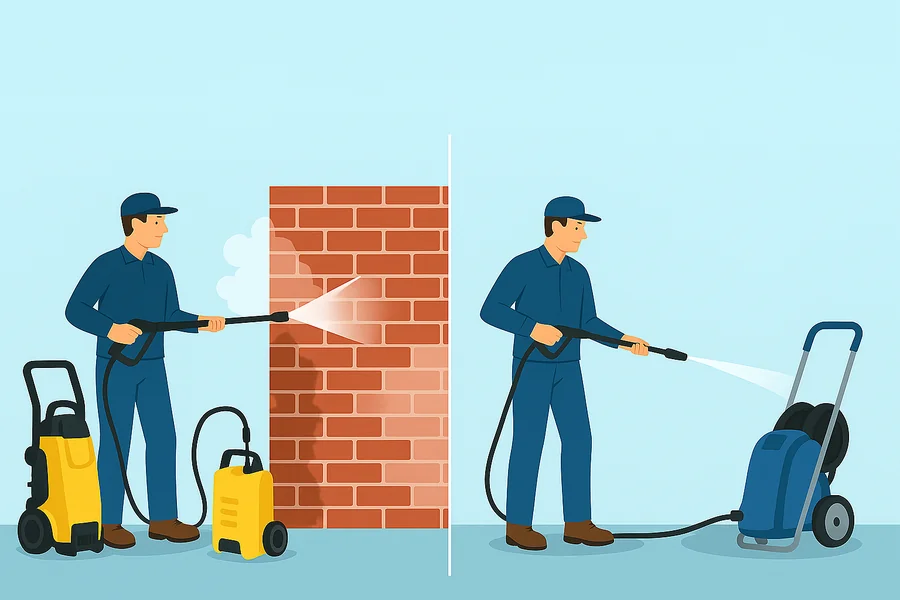
Wondered what is eating away at your curb appeal?
Grime? Mildew? Or maybe those pesky oil stains that won’t budge no matter how much scrubbing you do.
Scrub, rinse, panic, and then frustration; no stains will come off with the wrong methods. You must have heard about power washing and pressure washing, but people often use them interchangeably. However, that is not the case.
Choosing the wrong one might cost you. Think of it: in places like Columbia, TN, or nearby Spring Hill, it can be more harmful than helpful to blast delicate siding with the wrong machine. Or worse, spending hours pressure-washing grease when hot water could’ve melted it away in minutes.
The problem isn’t just dirt; the real problem lies in choosing an effective cleaning method. If you are someone looking to improve the curb appeal by renting equipment or partnering with professional services, it is a must to know the difference between the two washing methods.
If you are keen to learn about it, read the complete article to make an informed decision.
1. Water Temperature: The Core Difference
The most noticeable difference lies in the water temperature. Power washing uses hot water, which helps break down grease and thick grime. Pressure washing, on the other hand, uses cold water at a very high pressure.
While hot water might sound like the better option, it’s not always necessary, especially for homes, decks, fences, and sidewalks. In certain regions like Maury County, TN, weather patterns and surface types vary.
That’s why professional pressure washing services like those provided by 15cent Pressure Washing are important. Professionals know how to assess surface conditions and use the right settings.
Pressure washing offers a cleaner finish without the risk of damage, but only when it’s done correctly. For residential and light commercial needs, cold water pressure is more than enough. It’s safe, practical, and efficient when handled by experts.
2. Surface Compatibility: What You Can Safely Clean
Hot water under high pressure may warp vinyl siding, crack stucco, or strip protective sealants from wood. Thereby, power washing becomes too aggressive for certain materials.
Pressure washing provides a more versatile solution. It’s strong enough to lift dirt and algae from decks, patios, and siding but not so intense that it causes surface damage. Most homes are built from materials that respond well to cold water pressure.
It’s about finding the balance between force and care. Unless you’re targeting thick oil on commercial lots, pressure washing is usually the smarter, safer choice. It offers flexibility without compromising surface integrity.
For everyday household needs, there’s rarely a reason to use high heat. That’s why so many homeowners rely on pressure-based cleaning methods.
3. Equipment Complexity and Cost
Power washing machines are often more expensive and harder to operate. The added heating element increases both cost and maintenance.
Pressure washers are simpler. They’re widely available, easier to handle, and don’t require waiting for water to heat up.
This makes pressure washing more accessible, especially for routine cleanings. When hiring professionals, the simpler setup translates to quicker service with fewer complications. Most residential jobs, driveways, patios, and sidewalks don’t need hot water.
So why pay more for something you don’t need?
Pressure washing provides the same cleaning power in less time, with fewer risks. It’s efficient, straightforward, and does the job well. Unless you’re in a heavily industrial space, there’s rarely a need for the added hassle of power washing equipment.
4. Environmental Impact and Water Use

Hot water treatment for exterior cleaning may seem effective, but it comes at a cost. Power washing typically uses more water and energy due to the heating element, which adds to overall utility bills.
Pressure washing, using unheated water, is more energy-efficient by default. It gets excellent results with less strain on resources. When done properly, it can even use water-conserving nozzles and eco-friendly detergents.
For everyday home maintenance like cleaning walkways, patios, or siding, there’s no need to involve heat. Cold water pressure is usually enough to break up mold, dirt, and buildup.
That makes pressure washing not just effective but also more sustainable. If you’re conscious about water and energy use, pressure washing makes a lot more sense. It offers a responsible way to keep things clean without wasting resources.
5. Suitability for Regular Maintenance
Regular maintenance should be safe, easy, and effective. Pressure washing fits perfectly into this routine. It’s ideal for seasonal cleanings; think spring refreshes or post-winter washdowns.
Power washing, while powerful, can be overkill. The heated water adds wear and tear to surfaces when used too often. Plus, not all materials tolerate frequent exposure to high heat.
Pressure washing, in contrast, is safe for repeat use. It lifts dirt, pollen, algae, and mildew without causing unnecessary surface stress.
For homeowners looking to maintain curb appeal all year round, pressure washing is a dependable solution. It keeps everything looking fresh without risking damage or overdoing it.
When maintenance becomes a habit, you want a method you can trust consistently, and pressure washing checks all those boxes.
Bottomline
Understanding the difference between power washing and pressure washing can save both your surfaces and your budget. While both methods clean effectively, pressure washing is often the smarter, safer choice, especially for routine upkeep.
It’s efficient, eco-friendly, and gentle enough for regular home maintenance. Power washing has its plac,e but tends to be excessive for most residential needs.
Before grabbing a machine or calling for help, know what your surface truly requires. The right cleaning method doesn’t just remove dirt; it protects your home’s long-term value and appearance.