
Why the Next Generation Will Transform the Workplace
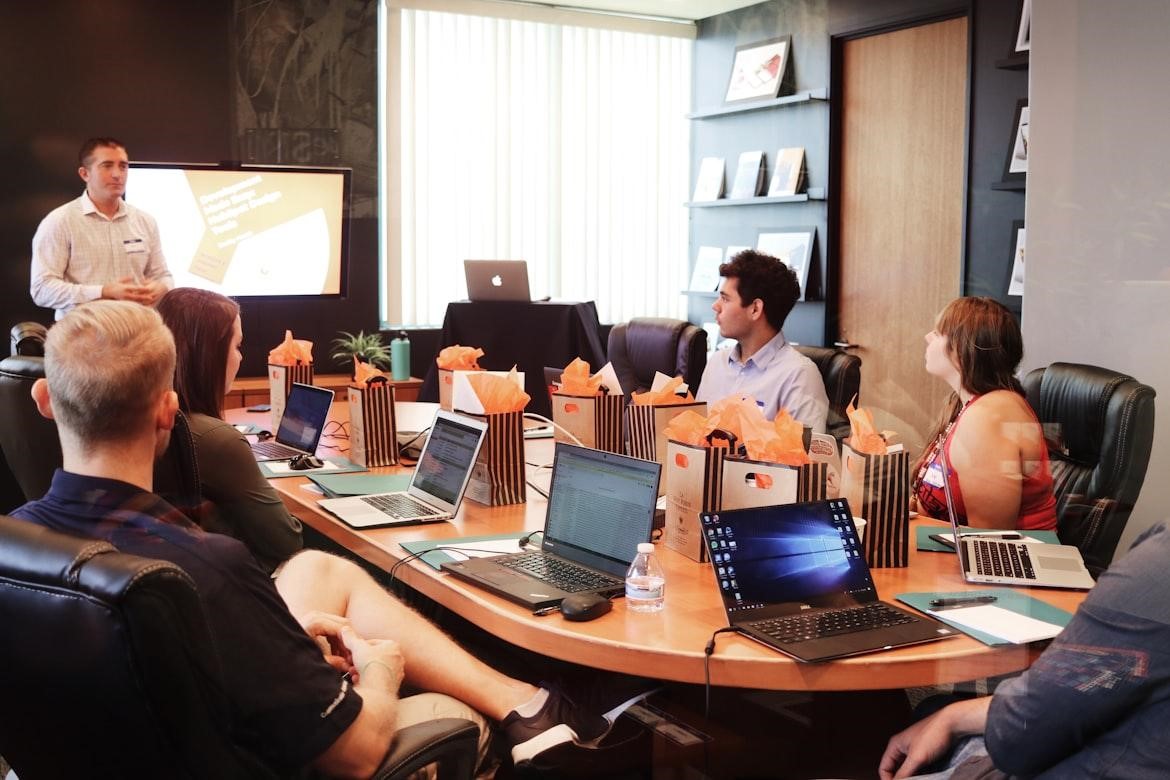
The modern workplace is changing faster than ever before. A new generation of workers is stepping into offices and remote roles, bringing different expectations with them. These professionals are rewriting the rules of career growth, productivity, and office culture.
Businesses that adapt to these shifts will thrive, while those that cling to old habits risk falling behind. Understanding this evolution is the key to building a resilient, future-proof organization.
A Historic Shift in Workforce Demographics
A major milestone recently occurred in the labor market. For the first time, the number of Gen Z workers in the United States labor force surpassed the number of Baby Boomers. This shift represents more than just a change in age demographics. It marks a fundamental transition in how organizations must approach daily operations and long-term planning.
Leaders are now forced to rethink outdated corporate structures. The traditional career ladder is losing its appeal to a group that values agility and rapid skill acquisition. To stay competitive, companies must study these younger generation perspectives with professional event speakers to understand what truly drives the modern workforce. This knowledge allows organizations to align their corporate goals with the values of their newest employees.
Redefining Wellness and Job Satisfaction
Mental health and well-being have become central points of discussion in the modern office. Recent data shows that 71% of Gen Z employees report having unhealthy work-health scores, a stark contrast to the 42% reported by Baby Boomers. This reality is pushing companies to look beyond basic medical insurance.
Employees now expect comprehensive wellness programs that address stress and burnout. Organizations are introducing quiet rooms, mental health days, and counseling services to support their staff. Managers are also learning to recognize signs of chronic stress before it leads to turnover.
Financial Pressures and Life Decisions
Economic realities heavily influence how the newest generation views employment. Over half of Gen Z workers report delaying major life milestones like getting married, buying a home, or starting a family. These delays are directly linked to their current financial situations.
Because of these pressures, competitive compensation remains a primary driver for job seekers. Workers want to know that their efforts will lead to financial stability. Employers who offer transparent, fair pay are much more likely to attract top-tier talent.
Rethinking Traditional Career Paths
Climbing the corporate ladder is no longer the ultimate goal for many young professionals. Only a minority of Gen Z workers view reaching a senior leadership position as their main career objective. Instead, they prioritize continuous education and personal growth.
In fact, learning and development opportunities rank among the top three reasons these individuals choose their employers. They want to acquire practical skills that keep them marketable in a rapidly changing economy. Forward-thinking companies are replacing strict hierarchical paths with lateral growth opportunities and mentorship programs.
Flexibility as a Productivity Driver
The debate over remote work continues to shape corporate policies. A recent industry study revealed most Gen Z workers believe flexible working arrangements directly increase their daily productivity and engagement. They view work as an activity rather than a specific physical location.
Strict 9-to-5 office requirements are becoming a major barrier to recruitment. Offering hybrid options allows businesses to source talent from a much wider geographic pool. It also demonstrates that an employer trusts its staff to manage their time responsibly.
Values Alignment and Employee Retention
Modern workers want to feel that their daily efforts contribute to a greater good. Research indicates that 59% of Gen Z employees plan to leave their current jobs within two years if they do not see an alignment in values or clear growth opportunities. They want to work for organizations that actively practice social responsibility.
- Companies must clearly communicate their mission and ethical standards.
- Employees look for concrete actions, not just marketing slogans.
- Consistent training and career development paths are essential to keep staff engaged.
When workers feel aligned with their employer’s mission, retention rates naturally improve. Businesses must prove that they care about more than just profit margins.
Managing Higher Turnover Rates
Retention has become a complex puzzle for human resource departments. Data shows that Gen Z has a 15% higher turnover rate compared to millennials. This willingness to change jobs reflects a lower tolerance for poor management and stagnant wages.
Managers must adapt by conducting regular check-ins and offering clear paths for advancement. Acknowledging achievements and providing constructive feedback can help build loyalty. It is far more cost-effective to retain existing talent than to constantly recruit and train new hires.

Preparing for the future of work requires a willingness to listen and adapt. The businesses that embrace flexibility, transparency, and continuous learning are the ones that will secure the best talent. By understanding what motivates the next generation, leaders can build workplaces where everyone has the opportunity to succeed.