
Why Your Air Conditioner Runs but Doesn’t Cool: Lesser-Known Technical Reasons
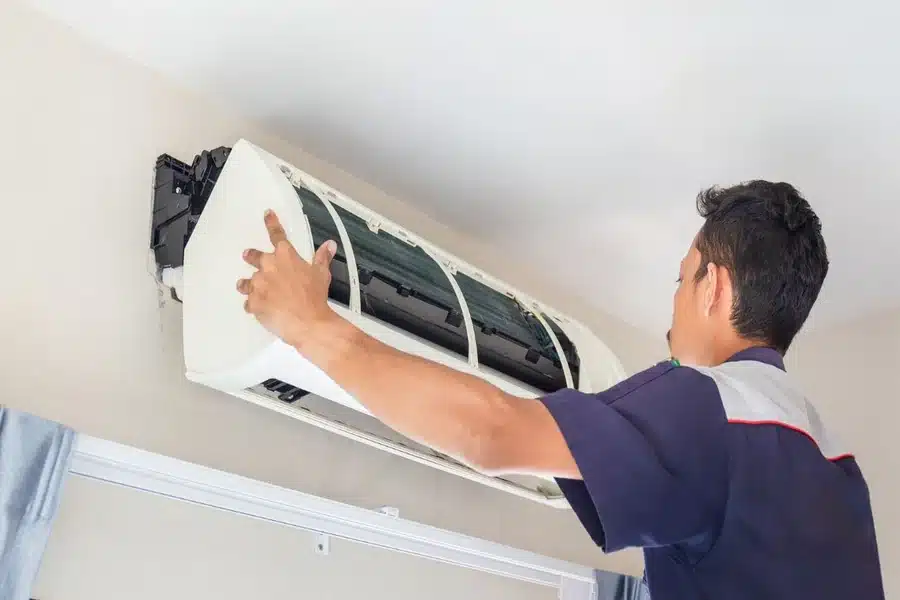
Air conditioners are expected to deliver steady cool air, yet many systems continue running while indoor temperatures remain unchanged. This issue often confuses homeowners because the unit appears to be functioning, yet the cooling effect is missing. Several underlying technical factors can disrupt performance without causing a full shutdown.
These hidden issues may involve airflow restrictions, electrical inconsistencies, or refrigerant behavior inside the system. Understanding these less obvious causes helps in identifying why comfort levels drop even when the equipment seems active. Recognizing these conditions early can prevent further strain on the system and reduce unnecessary energy use over time.
System Insight
Airflow Disruption Inside System
One of the lesser-known reasons an air conditioner runs without cooling properly is restricted airflow within the system. Even when the fan is operating, air may not circulate effectively through the evaporator coil and duct network. Dust buildup on filters, internal blockages in return vents, or collapsed duct sections can quietly reduce airflow volume. When airflow is weak, the system struggles to transfer heat from the indoor air, causing the unit to seem active but deliver little to no cooling. In many cases, homeowners notice uneven cooling across rooms, which is often a sign of hidden airflow disruption.
Over time, this condition forces the system to operate longer cycles, increasing wear on internal components and reducing efficiency. Air pressure imbalance inside the ducts can also contribute to this issue, making it harder for cooled air to reach living spaces consistently.
Refrigerant Flow Imbalance
Another technical cause of poor cooling performance involves irregularities in refrigerant flow within the system. The refrigerant absorbs heat from indoor air and releases it outside, but any disruption in its circulation can severely reduce cooling output. Low refrigerant levels, often caused by microscopic leaks, can prevent proper heat absorption. In some situations, inconsistencies in internal pressure may cause the refrigerant to expand or compress improperly, reducing its ability to transfer heat effectively.
In certain repair cases, such as McKinney AC Repair, technicians often discover that systems running without cooling issues are not completely empty of refrigerant but are operating under unstable pressure conditions that are difficult to detect without proper tools. This imbalance can cause the system to run continuously without lowering the indoor temperature. Over time, the compressor is forced to work harder, which may lead to overheating or mechanical fatigue, further reducing the system’s overall cooling capability.
Electrical Component Irregularities
Electrical inconsistencies within an air conditioning system can also cause the unit to run without cooling. Components such as capacitors, relays, and contactors play a critical role in powering the compressor and fans. When a capacitor weakens, the compressor may fail to start properly even though the system appears to be running. This creates a scenario where air is moving, but no actual cooling cycle is occurring. Loose electrical connections can also interrupt consistent voltage delivery, causing the compressor to cycle on and off unpredictably. These interruptions may not always shut the system down completely, which makes the issue harder to detect without close inspection.
Over time, electrical strain can increase energy consumption while decreasing performance. Heat buildup inside wiring or control boards can further worsen the problem, creating inconsistent cooling patterns throughout the home. These electrical faults often develop gradually, making them easy to overlook until cooling efficiency significantly declines.
Thermostat Calibration and Sensor Placement
A malfunctioning or poorly calibrated thermostat can also cause cooling issues that are not immediately obvious. If the thermostat misreads indoor temperatures, it may signal the system to run longer than necessary or fail to activate proper cooling cycles. In some cases, the sensor inside the thermostat may be influenced by nearby heat sources such as lamps, direct sunlight, or kitchen appliances, leading to inaccurate readings. This causes the air conditioner to operate under incorrect temperature settings, making it seem like the cooling is ineffective. Additionally, if the thermostat is installed in a location with poor air circulation, it may not accurately reflect the room’s overall temperature.
This mismatch between perceived and actual temperature leads to inefficient system operation. Over time, occupants may notice that some areas of the home remain warm while the system continues running without achieving uniform cooling, creating confusion about the system’s performance.
Evaporator Coil Performance Issues
The evaporator coil plays a central role in cooling air, and when its performance is compromised, the entire system suffers. A common issue involves coil icing, where moisture on the coil freezes due to restricted airflow or low refrigerant levels. When ice forms, it acts as an insulating barrier, preventing heat exchange between indoor air and the refrigerant. This results in the system running continuously without producing cold air. In other cases, dirt accumulation on the coil surface reduces heat-transfer efficiency, making it harder for the system to cool the air effectively.
Because the coil is located inside the indoor unit, these issues often go unnoticed until cooling performance drops significantly. As the problem progresses, the system may still sound normal, but the airflow temperature remains unchanged. This hidden degradation can place additional strain on the compressor, further reducing overall system reliability and increasing energy consumption over time.
Duct Leakage and Insulation Loss
Air duct integrity plays a major role in maintaining effective cooling, yet leaks in ductwork are often overlooked. When cooled air escapes through small gaps or poorly sealed joints, it fails to reach the intended rooms, resulting in poor cooling performance even when the system is running. These leaks may occur in hidden areas such as ceilings, walls, or attic spaces, making them difficult to detect without specialized testing. Poor insulation around ducts can also allow external heat to warm the air before it reaches living spaces, reducing overall efficiency.
In such cases, the system continues to operate normally, but the cooled air is lost or compromised during distribution. This leads to uneven temperatures across different rooms and longer cooling cycles. Over time, duct leakage can significantly increase energy consumption while reducing comfort levels inside the home. Even minor structural gaps can create noticeable performance issues when the system is under continuous load during warm conditions.
Air conditioning systems can appear fully operational while failing to deliver proper cooling due to a range of hidden technical issues. These problems often involve airflow disruption, refrigerant imbalance, electrical irregularities, sensor misreadings, coil performance decline, duct leakage, or compressor wear. Each of these factors can reduce efficiency without completely shutting down the system, making diagnosis more challenging.
When left unaddressed, they can increase energy consumption and accelerate system deterioration. Identifying these underlying causes early helps maintain consistent indoor comfort and reduces unnecessary strain on critical components. A deeper understanding of these hidden issues enables homeowners to respond more effectively when cooling performance declines unexpectedly.